BEIJING, Dec. 27 (Xinhua) -- China has outlined its vision of a strong, modern transport network, with "Chinese characteristics."
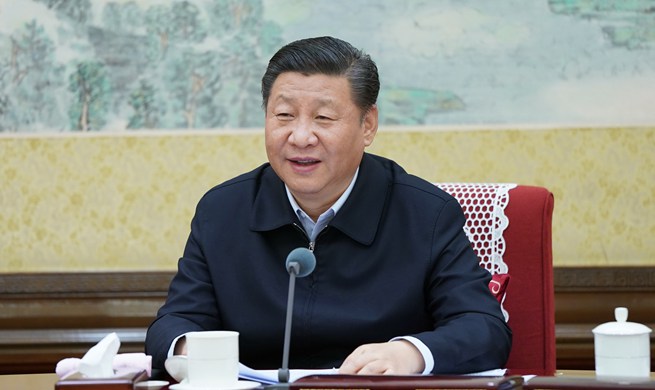
At a press conference Tuesday on the development of China's transport system, Ministry of Transport spokesperson Wu Chungeng spoke of "zero distance," "zero emissions," "zero mortality" and "zero inventory."
Developing transport in China is part of the goals mentioned in a key report delivered at the 19th Communist Party of China (CPC) National Congress in October, putting it high on the government agenda.
"The transport-strong nation that we are trying to build should have a world-leading transport system, satisfy the demand of its people, and support socialist modernization," Wu said. "To realize the goal, China should lead the world in terms of transport quality and efficiency, technological innovation, industry governance, and international influence."
Wu emphasized many key aspects of China's transport vision, including the importance of the environment, personal safety and being people-focused.
He said the country wanted to build a modern logistics system with "warehouses on the move," effectively improving efficiency with what he called "zero inventory."
China's transport industry has seen rapid development, with 1.28 million km of rural roads built or renovated in the last five years, and over 99 percent of townships and over 98 percent of villages now connected by asphalt or cement roads.
Total road mileage has increased by 534,000 km, railways in operation grew by 27,000 km, and over 7 billion trips have been made on high speed railways from 2012 to 2017.
"By building a global transport supply chain that connects the urban and rural areas in the country and links China with the world, the transportation industry can play an important role in China's goal to realize socialist modernization," Wu said.
China is already a world leader in technologies such as high-speed railways. Besides an increasingly intricate domestic high-speed railway network, China is also helping other countries with transport infrastructure construction.
Chinese companies are carrying out more than 20 railway projects overseas, with a total investment of 100 billion yuan (about 15 billion U.S. dollars), China's railway authorities said in November.
The corporate burden has been reduced significantly in China, with the country cutting logistics costs by more than 88 billion yuan (13.4 billion U.S. dollars) in 2017, through measures such as the removal of a number of road tolls and the introduction of streamlined traffic services.
According to Zhang Dawei, a transport ministry official, China plans to cut more logistics costs in 2018 through measures including streamlining charges at ports.
"The country will continue to push supply-side structural reform in the transport realm, improving weak links through reasonable and effective investments," Zhang said.
In 2018, China plans to build 5,000 km of expressways, build and renovate about 200,000 km of rural roads and increase inland waterways by over 600 km.
Wu said that China intended to pilot a project on green cargo delivery next year, encouraging the use of clean energy-powered trucks and Internet-based information sharing systems.