中文字幕网伦射乱中文-超清中文乱码字幕在线观看-亚洲v国产v欧美v久久久久久-久久性网-手机在线成人av-成人六区-国产人与zoxxxx另类一一-青青草国产久久精品-蜜桃av久久久一区二区三区麻豆-成人av一区二区免费播放-在线视频麻豆-www爱爱-成人免费看片视频-性欧美老肥妇喷水-五月99久久婷婷国产综合亚洲-亚洲最色-各种含道具高h调教1v1男男-91丨porny丨国产-国产精品无码专区在线观看不卡-大香伊人

 
U.S. debt ceiling and budget deal reportedly "near final"
                 Source: Xinhua | 2019-07-23 00:40:41 | Editor: huaxia

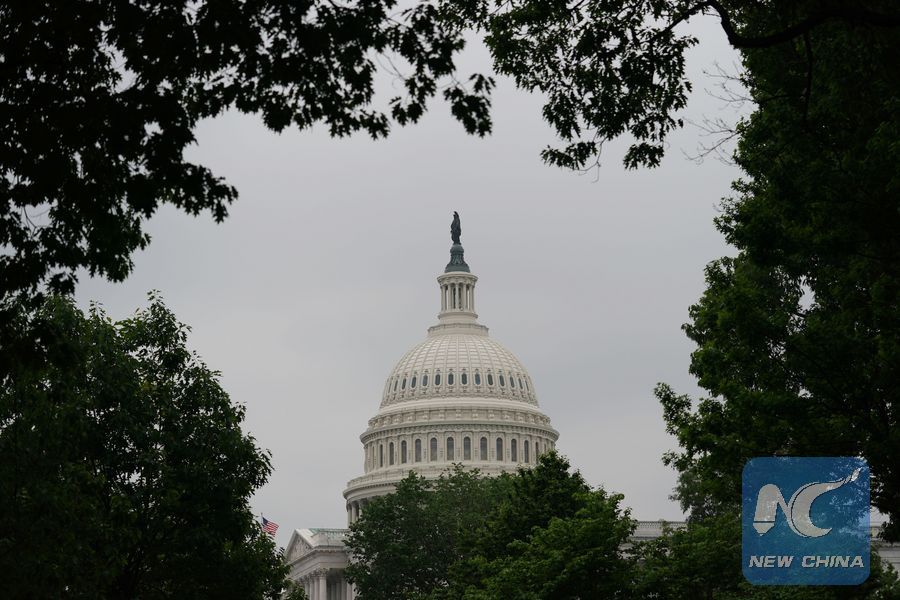
Photo taken on May 8, 2019 shows the Capitol Hill in Washington D.C., the United States. U.S. House Judiciary Committee voted Wednesday to hold Attorney General William Barr in contempt of Congress for refusing to hand over the full Mueller report. (Xinhua/Liu Jie)

WASHINGTON, July 22 (Xinhua) -- The White House and congressional Democrats have reportedly moved close to a budget deal that would prevent the U.S. federal government from breaching its debt ceiling, as the Congress' August recess draws near.

The deal, which would raise the U.S. debt ceiling for two years, is "near final," and the remaining discussions are regarding "technical language issues," CNBC cited a source close to the talks as saying on Monday.

White House officials and congressional leaders have been engaged in heightened negotiations for a debt ceiling increase as well as setting overall spending levels after the current budget deal expires on Oct. 1, the start of the next fiscal year.

Both sides have highlighted the urgency of the issue, calling for a settlement before the Congress' August recess. Lawmakers at the House will leave for vacation on July 26, and the Senate is set to take a break starting on Aug. 2.

The budget agreement is expected to include parity between increases in defense spending, demanded by the Republicans, and domestic outlays including on veterans' health care, sought by the Democrats. House Democrats want to package the debt ceiling with a budget bill, believing that will give them more leverage in spending negotiations.

House Speaker Nancy Pelosi, who set Friday as the deadline for an agreement, rejected the Trump administration's latest two-year budget proposal requesting that Democrats select 150 billion U.S. dollars in spending cuts from a list of 574 billion dollars of saving opportunities, according to earlier report from the Bloomberg.

U.S. Treasury Secretary Steven Mnuchin said Thursday that discussions between the White House and Congress on raising the federal debt ceiling have made progress, and that the market shouldn't be concerned about the government defaulting on its payment obligations.

Mnuchin said that in "the most conservative scenario," the Treasury Department will run out of cash in early September, and will hence be unable to pay its over 22-trillion-U.S.-dollar debt.

The debt ceiling was previously set at 20.5 trillion U.S. dollars, and Congress voted in February 2018 to suspend the debt limit through March 1, 2019, as part of a bipartisan budget deal. Early in March, Mnuchin urged congressional leaders to raise the federal debt limit as the department began accounting maneuvers to avoid a default.

The White House has revised the fiscal year 2019 budget deficit to a projected 1 trillion U.S. dollars, the highest since 2012, Office of Management and Budget (OMB) said in its recently released Mid-Session Review.

Without reform, trillion-dollar deficits will continue throughout the budget window, and will drive debt to more than 33 trillion dollars by 2029, the OMB report said. "The trend of growing deficits can be reversed only through concerted efforts of spending restraint and restoring government to the proper size," it said.

Back to Top Close
Xinhuanet

U.S. debt ceiling and budget deal reportedly "near final"

Source: Xinhua 2019-07-23 00:40:41

Photo taken on May 8, 2019 shows the Capitol Hill in Washington D.C., the United States. U.S. House Judiciary Committee voted Wednesday to hold Attorney General William Barr in contempt of Congress for refusing to hand over the full Mueller report. (Xinhua/Liu Jie)

WASHINGTON, July 22 (Xinhua) -- The White House and congressional Democrats have reportedly moved close to a budget deal that would prevent the U.S. federal government from breaching its debt ceiling, as the Congress' August recess draws near.

The deal, which would raise the U.S. debt ceiling for two years, is "near final," and the remaining discussions are regarding "technical language issues," CNBC cited a source close to the talks as saying on Monday.

White House officials and congressional leaders have been engaged in heightened negotiations for a debt ceiling increase as well as setting overall spending levels after the current budget deal expires on Oct. 1, the start of the next fiscal year.

Both sides have highlighted the urgency of the issue, calling for a settlement before the Congress' August recess. Lawmakers at the House will leave for vacation on July 26, and the Senate is set to take a break starting on Aug. 2.

The budget agreement is expected to include parity between increases in defense spending, demanded by the Republicans, and domestic outlays including on veterans' health care, sought by the Democrats. House Democrats want to package the debt ceiling with a budget bill, believing that will give them more leverage in spending negotiations.

House Speaker Nancy Pelosi, who set Friday as the deadline for an agreement, rejected the Trump administration's latest two-year budget proposal requesting that Democrats select 150 billion U.S. dollars in spending cuts from a list of 574 billion dollars of saving opportunities, according to earlier report from the Bloomberg.

U.S. Treasury Secretary Steven Mnuchin said Thursday that discussions between the White House and Congress on raising the federal debt ceiling have made progress, and that the market shouldn't be concerned about the government defaulting on its payment obligations.

Mnuchin said that in "the most conservative scenario," the Treasury Department will run out of cash in early September, and will hence be unable to pay its over 22-trillion-U.S.-dollar debt.

The debt ceiling was previously set at 20.5 trillion U.S. dollars, and Congress voted in February 2018 to suspend the debt limit through March 1, 2019, as part of a bipartisan budget deal. Early in March, Mnuchin urged congressional leaders to raise the federal debt limit as the department began accounting maneuvers to avoid a default.

The White House has revised the fiscal year 2019 budget deficit to a projected 1 trillion U.S. dollars, the highest since 2012, Office of Management and Budget (OMB) said in its recently released Mid-Session Review.

Without reform, trillion-dollar deficits will continue throughout the budget window, and will drive debt to more than 33 trillion dollars by 2029, the OMB report said. "The trend of growing deficits can be reversed only through concerted efforts of spending restraint and restoring government to the proper size," it said.

010020070750000000000000011100001382486091