中文字幕网伦射乱中文-超清中文乱码字幕在线观看-亚洲v国产v欧美v久久久久久-久久性网-手机在线成人av-成人六区-国产人与zoxxxx另类一一-青青草国产久久精品-蜜桃av久久久一区二区三区麻豆-成人av一区二区免费播放-在线视频麻豆-www爱爱-成人免费看片视频-性欧美老肥妇喷水-五月99久久婷婷国产综合亚洲-亚洲最色-各种含道具高h调教1v1男男-91丨porny丨国产-国产精品无码专区在线观看不卡-大香伊人

 
1 in 3 people worldwide not having access to safe drinking water: UN report
                 Source: Xinhua | 2019-06-19 18:44:17 | Editor: huaxia

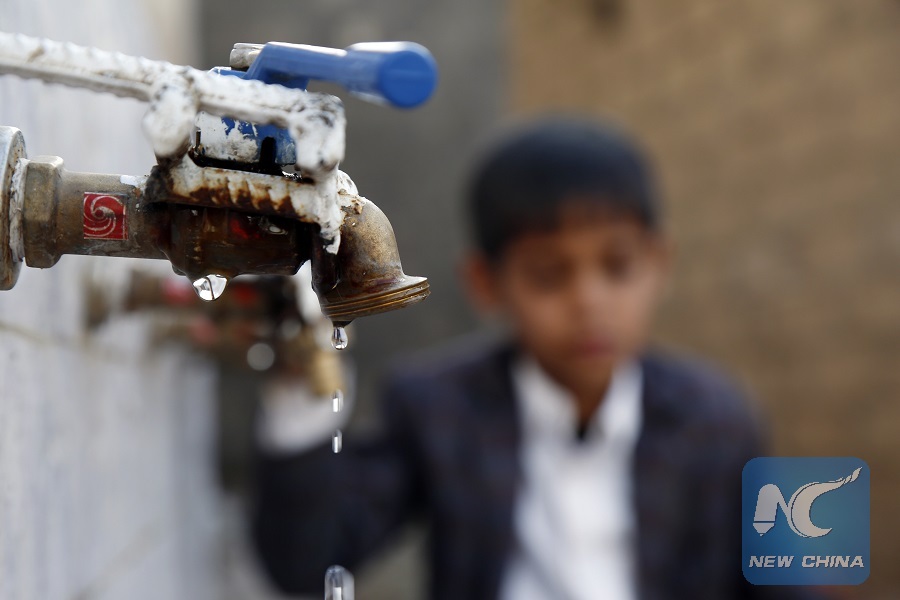
A boy is seen near a tap in Sanaa, Yemen, on March 22, 2019, which is the World Water Day. Yemen has suffered from grinding crisis of water after four years of deadly civil war. According to the UN, over 18 million Yemenis currently lack access to clean drinking water. (Xinhua/Mohammed Mohammed)

GENEVA, June 19 (Xinhua) -- Billions of people worldwide are continuing to suffer from poor access to water, sanitation and hygiene, including 2.2 billion who are not having safe drinking water, according to a latest UN report released on Tuesday.

Globally, some 2.2 billion people do not have safely managed drinking water services, 4.2 billion do not have safely managed sanitation services, and three billion lack basic hand-washing facilities, according to a joint report by UNICEF and the World Health Organization (WHO).

While acknowledging significant progress toward achieving universal access to basic water, sanitation and hygiene, the report also underlines huge gaps in the quality of services provided.

Though 1.8 billion people have gained access to basic drinking water services since 2000, vast inequalities in the accessibility, availability and quality of these services still exist, the report says. It is estimated that one in 10 people, or some 785 million, still lack basic services, including the 144 million who drink untreated surface water.

Data also show that eight in 10 people living in rural areas lacked access to these services, and in one in four countries with estimates for different wealth groups, coverage of basic services among the richest was at least twice as high as among the poorest.

Meanwhile, though 2.1 billion people have gained access to basic sanitation services since 2000, in many parts of the world the wastes produced are not safely managed, which leads to two billion people still lacking basic sanitation, among whom seven out of 10 living in rural areas and one third in the Least Developed Countries.

"Countries must double their efforts on sanitation or we will not reach universal access by 2030," said Dr. Maria Neira, WHO Director, Department of Public Health, Environmental and Social Determinants of Health.

Otherwise, "we will continue to live with diseases" like "diarrhea, cholera, typhoid, hepatitis A and neglected tropical diseases including trachoma, intestinal worms and schistosomiasis", Neira said.

"Investing in water, sanitation and hygiene is cost-effective and good for society in so many ways. It is an essential foundation for good health," she added.

According to WHO data, basic water services refer to having a protected drinking water source that takes less than thirty minutes to collect water from, using an improved toilet or latrine that does not have to be shared with other households, and having hand-washing facilities with soap and water in the home.

Back to Top Close
Xinhuanet

1 in 3 people worldwide not having access to safe drinking water: UN report

Source: Xinhua 2019-06-19 18:44:17

A boy is seen near a tap in Sanaa, Yemen, on March 22, 2019, which is the World Water Day. Yemen has suffered from grinding crisis of water after four years of deadly civil war. According to the UN, over 18 million Yemenis currently lack access to clean drinking water. (Xinhua/Mohammed Mohammed)

GENEVA, June 19 (Xinhua) -- Billions of people worldwide are continuing to suffer from poor access to water, sanitation and hygiene, including 2.2 billion who are not having safe drinking water, according to a latest UN report released on Tuesday.

Globally, some 2.2 billion people do not have safely managed drinking water services, 4.2 billion do not have safely managed sanitation services, and three billion lack basic hand-washing facilities, according to a joint report by UNICEF and the World Health Organization (WHO).

While acknowledging significant progress toward achieving universal access to basic water, sanitation and hygiene, the report also underlines huge gaps in the quality of services provided.

Though 1.8 billion people have gained access to basic drinking water services since 2000, vast inequalities in the accessibility, availability and quality of these services still exist, the report says. It is estimated that one in 10 people, or some 785 million, still lack basic services, including the 144 million who drink untreated surface water.

Data also show that eight in 10 people living in rural areas lacked access to these services, and in one in four countries with estimates for different wealth groups, coverage of basic services among the richest was at least twice as high as among the poorest.

Meanwhile, though 2.1 billion people have gained access to basic sanitation services since 2000, in many parts of the world the wastes produced are not safely managed, which leads to two billion people still lacking basic sanitation, among whom seven out of 10 living in rural areas and one third in the Least Developed Countries.

"Countries must double their efforts on sanitation or we will not reach universal access by 2030," said Dr. Maria Neira, WHO Director, Department of Public Health, Environmental and Social Determinants of Health.

Otherwise, "we will continue to live with diseases" like "diarrhea, cholera, typhoid, hepatitis A and neglected tropical diseases including trachoma, intestinal worms and schistosomiasis", Neira said.

"Investing in water, sanitation and hygiene is cost-effective and good for society in so many ways. It is an essential foundation for good health," she added.

According to WHO data, basic water services refer to having a protected drinking water source that takes less than thirty minutes to collect water from, using an improved toilet or latrine that does not have to be shared with other households, and having hand-washing facilities with soap and water in the home.

010020070750000000000000011100001381562761