中文字幕网伦射乱中文-超清中文乱码字幕在线观看-亚洲v国产v欧美v久久久久久-久久性网-手机在线成人av-成人六区-国产人与zoxxxx另类一一-青青草国产久久精品-蜜桃av久久久一区二区三区麻豆-成人av一区二区免费播放-在线视频麻豆-www爱爱-成人免费看片视频-性欧美老肥妇喷水-五月99久久婷婷国产综合亚洲-亚洲最色-各种含道具高h调教1v1男男-91丨porny丨国产-国产精品无码专区在线观看不卡-大香伊人

 
Spotlight: GOP lawmakers mull blocking Mexico tariffs in defiance of Trump
                 Source: Xinhua | 2019-06-05 07:35:26 | Editor: huaxia

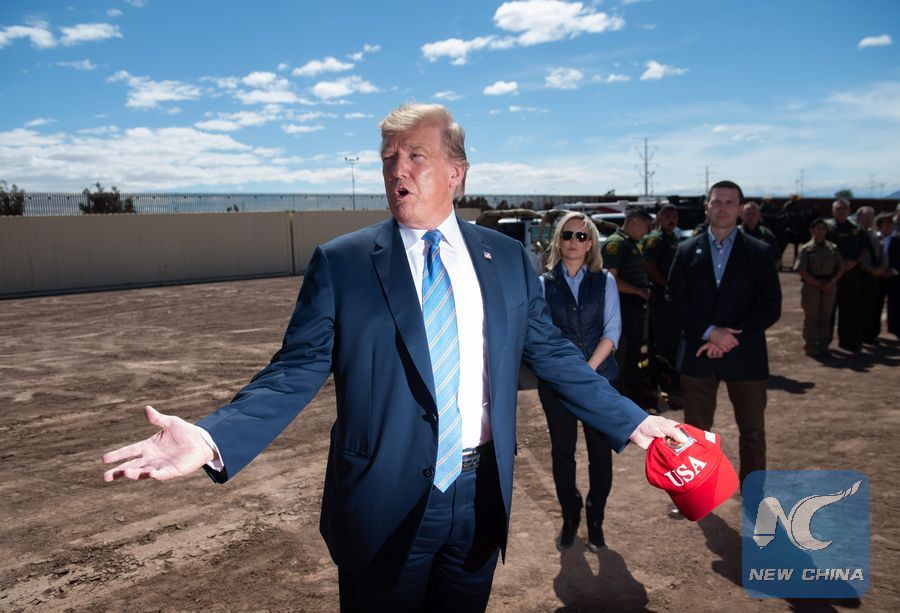
U.S. President Donald Trump tours the border wall between the United States and Mexico in Calexico, California, April 5, 2019. (Xinhua/AFP/Saul Loeb)

WASHINGTON, June 4 (Xinhua) -- Republican lawmakers in the U.S. Congress have been considering blocking the imposition of tariffs on all Mexican imports, in a move U.S. media said would be the party's "most dramatic act of defiance" since President Donald Trump took office.

The Washington Post reported Monday that Trump has to rely on the declaration of a national emergency on the U.S.-Mexican border -- which he made in February -- to materialize the Mexico tariff threat since the two countries have a free trade agreement.

The Post said in a follow-up report Tuesday that the White House has not yet decided whether the tariffs on Mexican products will be implemented through the February national emergency declaration, or by the president's declaration of another national emergency especially tailored for the tariffs.

Congressional Republicans are expected to use their right given by law to override the president's executive power by passing a resolution of disapproval, the report said, citing anonymous sources.

"As a general matter, I think Congress has shifted and delegated way too much power to the executive branch over decades," Senator Patrick Toomey, a Republican from Pennsylvania, was quoted by The Post as saying on Monday.

"This is not an observation about Donald Trump. That's a general thing that Congress has done, and now we're seeing the consequences of that in ways that nobody expected, nobody anticipated and, frankly, I think, many members of Congress don't agree with," Toomey said.

Trump announced in a tweet on Thursday that the 5 percent tariffs covering the full spectrum of Mexican products sold to the United States will be implemented on June 10, and will remain in effect until Mexico has stopped the flow of "illegal migrants" into the United States via Mexico.

The White House said in a statement issued following the president's tweet that the planned duties will be increased to 25 percent on Oct. 1 and permanently remain at that level "unless and until Mexico substantially stops the illegal inflow of aliens coming through its territory."

Responding to a reporter's request for comment on the potential GOP move to beat back the tariffs, Trump said at a press conference Tuesday in London with British Prime Minister Theresa May that he doesn't think they will do that.

"I think if they do, it's foolish," Trump said, adding that "it's more likely that these tariffs will go on" despite a scheduled meeting between U.S. Secretary of State Mike Pompeo and Mexican Foreign Minister Marcelo Ebrard on Wednesday to discuss the matter.

"We'll probably be talking during the time that the tariffs are on, and they are going to be paid," the president said.

According to a report by The New York Times, Republican senators -- including Ted Cruz of Texas, Ron Johnson of Wisconsin and John Cornyn of Texas - all voiced strong-worded criticism Tuesday against Trump's use of executive authority to levy the duties, warning the concerted opposition in Congress to such a presidential move.

The GOP senators were briefed by administration officials in a closed-door lunch in the Capitol on the legal basis for imposing tariffs by declaring a national emergency.

"You didn't hear a single yes" from the Republican conference, Cruz said, according to the report. Cornyn said that by imposing tariffs on the whole spectrum of Mexican goods, Americans "are holding a gun to our own heads."

In addition, lawmakers have warned that the pending Mexico tariffs risk jeopardizing the ratification of a new free trade agreement between the United States, Mexico and Canada.

Calling Trump's move "a misuse of presidential tariff authority and counter to congressional intent," U.S. Senate Finance Committee Chairman Chuck Grassley, a GOP Senator from Iowa, said in a statement on Thursday that trade policy and border security "are separate issues."

Following through on the threat, Grassley added, "would seriously jeopardize passage" of the United States-Mexico-Canada Agreement.

Ebrard, who already arrived in Washington, told reporters Tuesday that he believes there is an 80 percent chance that his country will negotiate a solution with the United States to avoid the duties.

"We are going to find a common ground I think," the Mexican foreign minister was quoted by Bloomberg News as saying at a news conference at the Mexican embassy in Washington.

Over the past few days, Mexico began restricting Central American migrants from streaming into the Unites States via the nation. The Mexican delegation will present a migration proposal Wednesday to the U.S. side, according to Ebrard.

Mexican President Andres Manuel Lopez Obrador told a press conference Monday in Mexico City that he is hopeful that his country could reach an agreement with Washington that prevents the tariffs from being implemented.

"We are not going to engage in a confrontation," Lopez Obrador said. "We think that an agreement can be reached with the U.S. government."

Back to Top Close
Xinhuanet

Spotlight: GOP lawmakers mull blocking Mexico tariffs in defiance of Trump

Source: Xinhua 2019-06-05 07:35:26

U.S. President Donald Trump tours the border wall between the United States and Mexico in Calexico, California, April 5, 2019. (Xinhua/AFP/Saul Loeb)

WASHINGTON, June 4 (Xinhua) -- Republican lawmakers in the U.S. Congress have been considering blocking the imposition of tariffs on all Mexican imports, in a move U.S. media said would be the party's "most dramatic act of defiance" since President Donald Trump took office.

The Washington Post reported Monday that Trump has to rely on the declaration of a national emergency on the U.S.-Mexican border -- which he made in February -- to materialize the Mexico tariff threat since the two countries have a free trade agreement.

The Post said in a follow-up report Tuesday that the White House has not yet decided whether the tariffs on Mexican products will be implemented through the February national emergency declaration, or by the president's declaration of another national emergency especially tailored for the tariffs.

Congressional Republicans are expected to use their right given by law to override the president's executive power by passing a resolution of disapproval, the report said, citing anonymous sources.

"As a general matter, I think Congress has shifted and delegated way too much power to the executive branch over decades," Senator Patrick Toomey, a Republican from Pennsylvania, was quoted by The Post as saying on Monday.

"This is not an observation about Donald Trump. That's a general thing that Congress has done, and now we're seeing the consequences of that in ways that nobody expected, nobody anticipated and, frankly, I think, many members of Congress don't agree with," Toomey said.

Trump announced in a tweet on Thursday that the 5 percent tariffs covering the full spectrum of Mexican products sold to the United States will be implemented on June 10, and will remain in effect until Mexico has stopped the flow of "illegal migrants" into the United States via Mexico.

The White House said in a statement issued following the president's tweet that the planned duties will be increased to 25 percent on Oct. 1 and permanently remain at that level "unless and until Mexico substantially stops the illegal inflow of aliens coming through its territory."

Responding to a reporter's request for comment on the potential GOP move to beat back the tariffs, Trump said at a press conference Tuesday in London with British Prime Minister Theresa May that he doesn't think they will do that.

"I think if they do, it's foolish," Trump said, adding that "it's more likely that these tariffs will go on" despite a scheduled meeting between U.S. Secretary of State Mike Pompeo and Mexican Foreign Minister Marcelo Ebrard on Wednesday to discuss the matter.

"We'll probably be talking during the time that the tariffs are on, and they are going to be paid," the president said.

According to a report by The New York Times, Republican senators -- including Ted Cruz of Texas, Ron Johnson of Wisconsin and John Cornyn of Texas - all voiced strong-worded criticism Tuesday against Trump's use of executive authority to levy the duties, warning the concerted opposition in Congress to such a presidential move.

The GOP senators were briefed by administration officials in a closed-door lunch in the Capitol on the legal basis for imposing tariffs by declaring a national emergency.

"You didn't hear a single yes" from the Republican conference, Cruz said, according to the report. Cornyn said that by imposing tariffs on the whole spectrum of Mexican goods, Americans "are holding a gun to our own heads."

In addition, lawmakers have warned that the pending Mexico tariffs risk jeopardizing the ratification of a new free trade agreement between the United States, Mexico and Canada.

Calling Trump's move "a misuse of presidential tariff authority and counter to congressional intent," U.S. Senate Finance Committee Chairman Chuck Grassley, a GOP Senator from Iowa, said in a statement on Thursday that trade policy and border security "are separate issues."

Following through on the threat, Grassley added, "would seriously jeopardize passage" of the United States-Mexico-Canada Agreement.

Ebrard, who already arrived in Washington, told reporters Tuesday that he believes there is an 80 percent chance that his country will negotiate a solution with the United States to avoid the duties.

"We are going to find a common ground I think," the Mexican foreign minister was quoted by Bloomberg News as saying at a news conference at the Mexican embassy in Washington.

Over the past few days, Mexico began restricting Central American migrants from streaming into the Unites States via the nation. The Mexican delegation will present a migration proposal Wednesday to the U.S. side, according to Ebrard.

Mexican President Andres Manuel Lopez Obrador told a press conference Monday in Mexico City that he is hopeful that his country could reach an agreement with Washington that prevents the tariffs from being implemented.

"We are not going to engage in a confrontation," Lopez Obrador said. "We think that an agreement can be reached with the U.S. government."

010020070750000000000000011100001381172591