中文字幕网伦射乱中文-超清中文乱码字幕在线观看-亚洲v国产v欧美v久久久久久-久久性网-手机在线成人av-成人六区-国产人与zoxxxx另类一一-青青草国产久久精品-蜜桃av久久久一区二区三区麻豆-成人av一区二区免费播放-在线视频麻豆-www爱爱-成人免费看片视频-性欧美老肥妇喷水-五月99久久婷婷国产综合亚洲-亚洲最色-各种含道具高h调教1v1男男-91丨porny丨国产-国产精品无码专区在线观看不卡-大香伊人

 
Chinese-built infrastructure projects reshaping Kenya's transformation agenda
                 Source: Xinhua | 2019-03-25 21:14:49 | Editor: huaxia

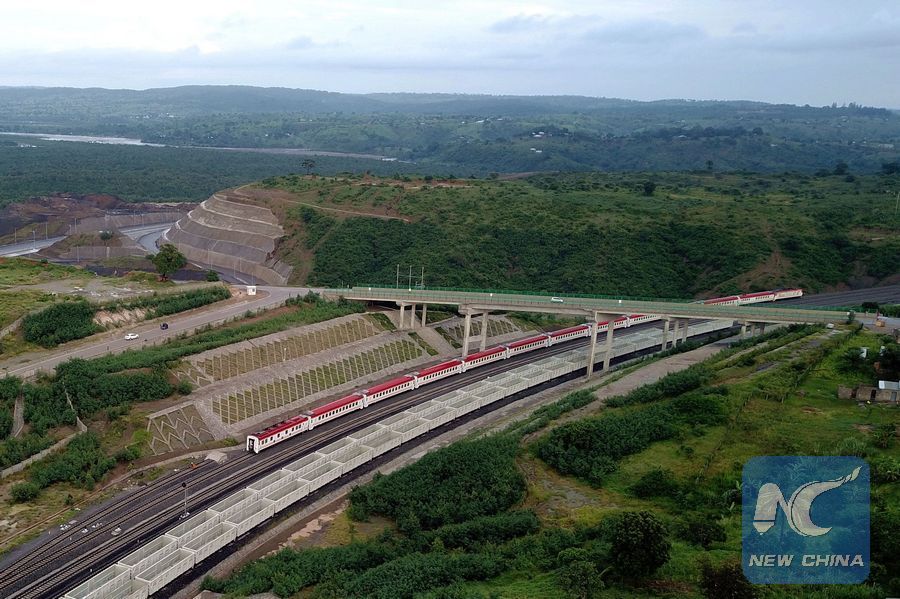
Aerial photo shows a train running on the Chinese-built Mombasa-Nairobi Standard Gauge Railway in Kenya. (Xinhua/Wang Teng)

NAIVASHA, Kenya, March 25 (Xinhua) -- Modern infrastructure projects like roads, ports and railways that are either financed or built by China have injected vitality into the country's transformation agenda, senior officials and experts said.

Philip Mainga, acting managing director of Kenya Railways Corporation said that China's immense contribution to expansion and upgrading of transport infrastructure in Kenya has unleashed benefits to the economy and citizens.

"There is no doubt the infrastructure projects financed and developed by China are making huge impact in the country especially when you look at the ease of travel and employment opportunities," Mainga told Xinhua recently.

He singled out phase one of the standard gauge railway (SGR) project that was launched on May 31, 2017 for ensuring there is seamless movement of people and cargo between the port city of Mombasa and the capital, Nairobi.

"The SGR phase one also created so many jobs and new opportunities for local entrepreneurs who supplied construction materials like cement, steel and sand," said Mainga.

He said that phase 2A of SGR whose implementation has entered the final stretch will stimulate commerce and investments in the Kenyan hinterland.

China has overtaken external lenders to become largest financier of infrastructure projects that have positioned Kenya as an unrivalled transport and logistics hub in the region.

The Africa Construction Trends launched by consultancy firm, Deloitte in December 2018 indicated that Kenya had the highest number of infrastructure projects financed by China across the eastern African region.

Maxwell Mengich, general manager for infrastructure development at Kenya Railways Corporation said that Chinese-built modern roads and railways have benefited local entrepreneurs besides enhancing linkages with regional trading partners.

"Kenya has benefited from infrastructure projects built by the Chinese and they range from job creation, faster movement of people and goods," said Mengich.

"The future prosperity of this country is dependent on interconnectivity and China is helping us achieve that goal," he added.

Kenyan investors hailed Chinese-built infrastructure projects saying they have stimulated economic growth and boosted the country's attractiveness as an investment destination.

"These infrastructure projects have changed the image of our country for the better and we are witnessing an improved investor confidence thanks to ease of travel," said Kamau Njuguna, a member of East African Chamber of Commerce.

Njuguna said that completion of phase 2A of SGR project that will link Nairobi to the resort town of Naivasha, will have positive impact on horticulture and tourism.

"The railway line will cut down on cost of travel from Nairobi to Naivasha and the benefits will be felt by horticulture farmers as well as local and foreign tourists," he told Xinhua.

Kenyan youth have acquired skills and gainful employment thanks to Chinese-funded infrastructure projects like the Standard Gauge Railway that is a critical component of the Belt and Road Initiative.

Boniface Musimba, a technician at phase 2A of SGR said that knowledge and skills transfer has become a defining feature of China-built infrastructure projects.

"The positive impacts of infrastructure projects financed by China include employment creation, transfer of skills and knowledge that will benefit us in the long-term," said Musimba.

Local communities too have gained from modern infrastructure projects financed by China thanks to reduced cost of travel and opening up of the hinterland.

John Mwathi, community leader based from a village near Naivasha town said phase 2A of the SGR project has transformed rural livelihoods through growth of small businesses.

"The value of our ancestral land has gone up since the construction of phase 2A of SGR phase began. Our youth have benefited from jobs and the contractor has assisted us to construct new classrooms and water pans," said Mwathi.

Back to Top Close
Xinhuanet

Chinese-built infrastructure projects reshaping Kenya's transformation agenda

Source: Xinhua 2019-03-25 21:14:49

Aerial photo shows a train running on the Chinese-built Mombasa-Nairobi Standard Gauge Railway in Kenya. (Xinhua/Wang Teng)

NAIVASHA, Kenya, March 25 (Xinhua) -- Modern infrastructure projects like roads, ports and railways that are either financed or built by China have injected vitality into the country's transformation agenda, senior officials and experts said.

Philip Mainga, acting managing director of Kenya Railways Corporation said that China's immense contribution to expansion and upgrading of transport infrastructure in Kenya has unleashed benefits to the economy and citizens.

"There is no doubt the infrastructure projects financed and developed by China are making huge impact in the country especially when you look at the ease of travel and employment opportunities," Mainga told Xinhua recently.

He singled out phase one of the standard gauge railway (SGR) project that was launched on May 31, 2017 for ensuring there is seamless movement of people and cargo between the port city of Mombasa and the capital, Nairobi.

"The SGR phase one also created so many jobs and new opportunities for local entrepreneurs who supplied construction materials like cement, steel and sand," said Mainga.

He said that phase 2A of SGR whose implementation has entered the final stretch will stimulate commerce and investments in the Kenyan hinterland.

China has overtaken external lenders to become largest financier of infrastructure projects that have positioned Kenya as an unrivalled transport and logistics hub in the region.

The Africa Construction Trends launched by consultancy firm, Deloitte in December 2018 indicated that Kenya had the highest number of infrastructure projects financed by China across the eastern African region.

Maxwell Mengich, general manager for infrastructure development at Kenya Railways Corporation said that Chinese-built modern roads and railways have benefited local entrepreneurs besides enhancing linkages with regional trading partners.

"Kenya has benefited from infrastructure projects built by the Chinese and they range from job creation, faster movement of people and goods," said Mengich.

"The future prosperity of this country is dependent on interconnectivity and China is helping us achieve that goal," he added.

Kenyan investors hailed Chinese-built infrastructure projects saying they have stimulated economic growth and boosted the country's attractiveness as an investment destination.

"These infrastructure projects have changed the image of our country for the better and we are witnessing an improved investor confidence thanks to ease of travel," said Kamau Njuguna, a member of East African Chamber of Commerce.

Njuguna said that completion of phase 2A of SGR project that will link Nairobi to the resort town of Naivasha, will have positive impact on horticulture and tourism.

"The railway line will cut down on cost of travel from Nairobi to Naivasha and the benefits will be felt by horticulture farmers as well as local and foreign tourists," he told Xinhua.

Kenyan youth have acquired skills and gainful employment thanks to Chinese-funded infrastructure projects like the Standard Gauge Railway that is a critical component of the Belt and Road Initiative.

Boniface Musimba, a technician at phase 2A of SGR said that knowledge and skills transfer has become a defining feature of China-built infrastructure projects.

"The positive impacts of infrastructure projects financed by China include employment creation, transfer of skills and knowledge that will benefit us in the long-term," said Musimba.

Local communities too have gained from modern infrastructure projects financed by China thanks to reduced cost of travel and opening up of the hinterland.

John Mwathi, community leader based from a village near Naivasha town said phase 2A of the SGR project has transformed rural livelihoods through growth of small businesses.

"The value of our ancestral land has gone up since the construction of phase 2A of SGR phase began. Our youth have benefited from jobs and the contractor has assisted us to construct new classrooms and water pans," said Mwathi.

010020070750000000000000011100001379227621