中文字幕网伦射乱中文-超清中文乱码字幕在线观看-亚洲v国产v欧美v久久久久久-久久性网-手机在线成人av-成人六区-国产人与zoxxxx另类一一-青青草国产久久精品-蜜桃av久久久一区二区三区麻豆-成人av一区二区免费播放-在线视频麻豆-www爱爱-成人免费看片视频-性欧美老肥妇喷水-五月99久久婷婷国产综合亚洲-亚洲最色-各种含道具高h调教1v1男男-91丨porny丨国产-国产精品无码专区在线观看不卡-大香伊人

 
SpaceX Crew Dragon spacecraft marks debut unmanned flight
                 Source: Xinhua | 2019-03-03 00:18:26 | Editor: huaxia

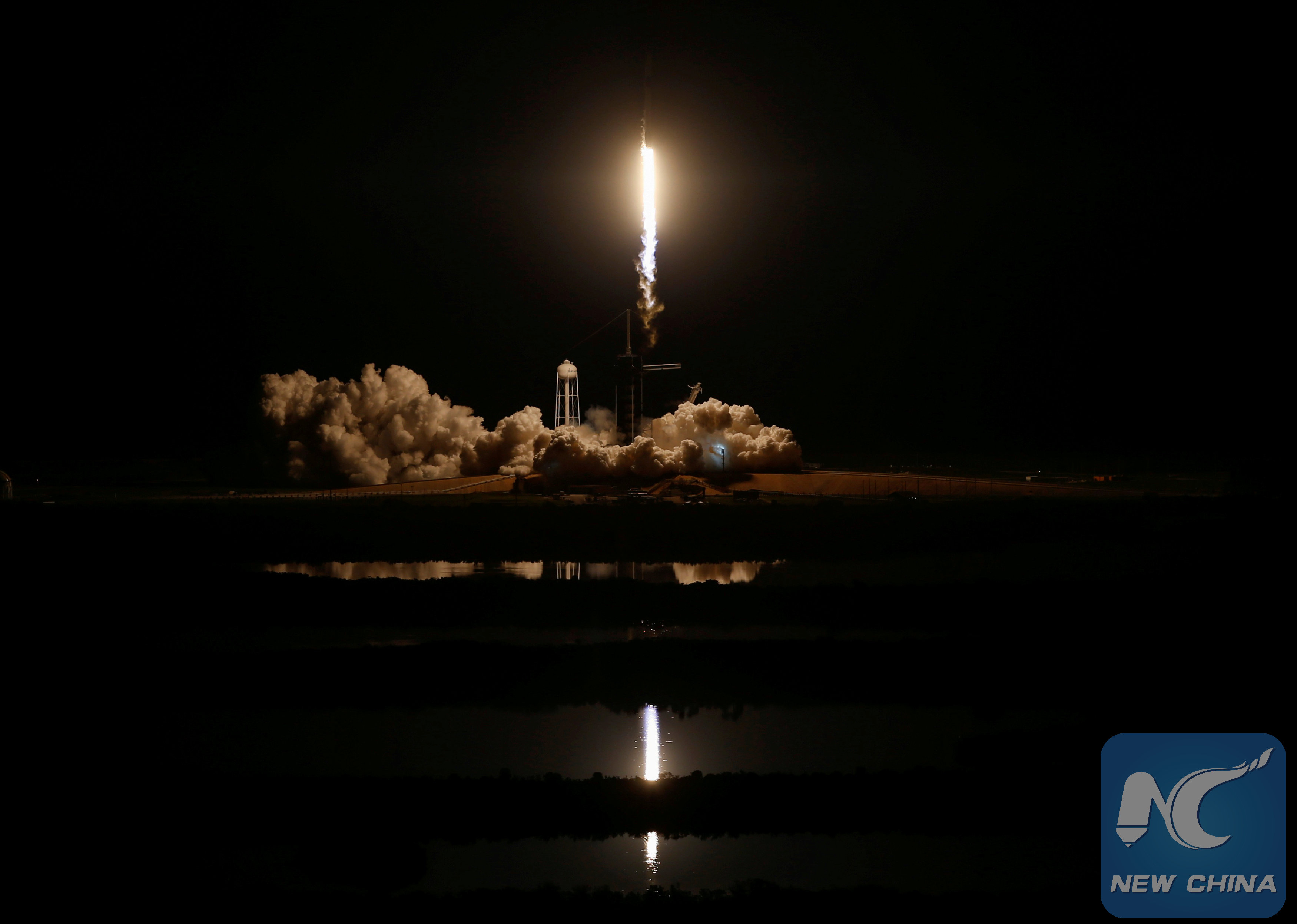
A SpaceX Falcon 9 rocket, carrying the Crew Dragon spacecraft, lifts off on an uncrewed test flight to the International Space Station from the Kennedy Space Center in Cape Canaveral, Florida, U.S., March 2, 2019. (Xinhua/Reuters)

WASHINGTON, March 2 (Xinhua) -- An American spacecraft designed to fly astronauts to the International Space Station (ISS) from the United States was launched Saturday morning for its debut unmanned flight.

SpaceX's Falcon 9 rocket, carrying the Crew Dragon spacecraft, lifted off at 2:49 a.m. Eastern Time (0749 GMT) from Launch Complex 39A at the National Aeronautics and Space Administration (NASA)'s Kennedy Space Center in Florida.

About 11 minutes after blastoff, the Crew Dragon separated from the second stage of the rocket, and headed for an autonomous docking with the space station on Sunday.

The test flight is intended to show the transport capabilities of SpaceX, a private company and contractor of the U.S. space agency NASA for ISS flights. The move came eight years after NASA's space shuttle retired, leaving it dependent on Russia's Soyuz spacecraft to fly crews to the station.

NASA called the flight on its official Twitter account "a new chapter of U.S. human spaceflight systems."

"Today's successful launch marks a new chapter in American excellence, getting us closer to once again flying American Astronauts on American rockets from American soil," said NASA administrator Jim Bridenstine after the launch.

This is the first test mission of a commercially-built and operated American spacecraft and rocket designed for humans, according to NASA.

"Demo-1 is a demonstration of the Falcon 9 rocket, Crew Dragon spacecraft, ground systems and overall operations, basically just everything that needs to be operating and operating well before we want to put our astronauts on board," said Mike Lee, NASA mission manager for SpaceX's Demo-1 flight test.

The 7-seat spacecraft used in this Demo-1 mission a dummy astronaut with a sensor-equipped spacesuit to collect the capsule's environmental data.

The crew capsule has eight 3D-printed SuperDraco escape engines, which could fly the vehicle out of harm's way during a launch emergency. If the Demo-1 is successful, there will be a high-altitude abort test for the escape system before the Demo-2 mission brings two astronauts into space, now targeted for July.

The spacecraft is expected to take about 180 kg of crew supplies and equipment into the station and will remain docked there for five days. It will autonomously undock with the station on Friday and make a splashdown in the Atlantic Ocean on March 8, according to NASA.

"We need to make sure that it can safely go rendezvous and dock with the space station, and undock safely, and not pose a hazard to the International Space Station," said Kathy Lueders, manager of NASA's Commercial Crew Program during a briefing before the launch.

NASA is also working with Boeing to make an unmanned flight test for its CST-100 Starliner crew spacecraft no earlier than April, with a target flight no earlier than August with astronauts on board.

Back to Top Close
Xinhuanet

SpaceX Crew Dragon spacecraft marks debut unmanned flight

Source: Xinhua 2019-03-03 00:18:26

A SpaceX Falcon 9 rocket, carrying the Crew Dragon spacecraft, lifts off on an uncrewed test flight to the International Space Station from the Kennedy Space Center in Cape Canaveral, Florida, U.S., March 2, 2019. (Xinhua/Reuters)

WASHINGTON, March 2 (Xinhua) -- An American spacecraft designed to fly astronauts to the International Space Station (ISS) from the United States was launched Saturday morning for its debut unmanned flight.

SpaceX's Falcon 9 rocket, carrying the Crew Dragon spacecraft, lifted off at 2:49 a.m. Eastern Time (0749 GMT) from Launch Complex 39A at the National Aeronautics and Space Administration (NASA)'s Kennedy Space Center in Florida.

About 11 minutes after blastoff, the Crew Dragon separated from the second stage of the rocket, and headed for an autonomous docking with the space station on Sunday.

The test flight is intended to show the transport capabilities of SpaceX, a private company and contractor of the U.S. space agency NASA for ISS flights. The move came eight years after NASA's space shuttle retired, leaving it dependent on Russia's Soyuz spacecraft to fly crews to the station.

NASA called the flight on its official Twitter account "a new chapter of U.S. human spaceflight systems."

"Today's successful launch marks a new chapter in American excellence, getting us closer to once again flying American Astronauts on American rockets from American soil," said NASA administrator Jim Bridenstine after the launch.

This is the first test mission of a commercially-built and operated American spacecraft and rocket designed for humans, according to NASA.

"Demo-1 is a demonstration of the Falcon 9 rocket, Crew Dragon spacecraft, ground systems and overall operations, basically just everything that needs to be operating and operating well before we want to put our astronauts on board," said Mike Lee, NASA mission manager for SpaceX's Demo-1 flight test.

The 7-seat spacecraft used in this Demo-1 mission a dummy astronaut with a sensor-equipped spacesuit to collect the capsule's environmental data.

The crew capsule has eight 3D-printed SuperDraco escape engines, which could fly the vehicle out of harm's way during a launch emergency. If the Demo-1 is successful, there will be a high-altitude abort test for the escape system before the Demo-2 mission brings two astronauts into space, now targeted for July.

The spacecraft is expected to take about 180 kg of crew supplies and equipment into the station and will remain docked there for five days. It will autonomously undock with the station on Friday and make a splashdown in the Atlantic Ocean on March 8, according to NASA.

"We need to make sure that it can safely go rendezvous and dock with the space station, and undock safely, and not pose a hazard to the International Space Station," said Kathy Lueders, manager of NASA's Commercial Crew Program during a briefing before the launch.

NASA is also working with Boeing to make an unmanned flight test for its CST-100 Starliner crew spacecraft no earlier than April, with a target flight no earlier than August with astronauts on board.

010020070750000000000000011100001378636931