中文字幕网伦射乱中文-超清中文乱码字幕在线观看-亚洲v国产v欧美v久久久久久-久久性网-手机在线成人av-成人六区-国产人与zoxxxx另类一一-青青草国产久久精品-蜜桃av久久久一区二区三区麻豆-成人av一区二区免费播放-在线视频麻豆-www爱爱-成人免费看片视频-性欧美老肥妇喷水-五月99久久婷婷国产综合亚洲-亚洲最色-各种含道具高h调教1v1男男-91丨porny丨国产-国产精品无码专区在线观看不卡-大香伊人

 
Long-term view requisite for U.S.-China relations: U.S. university president
                 Source: Xinhua | 2019-01-02 21:52:50 | Editor: huaxia

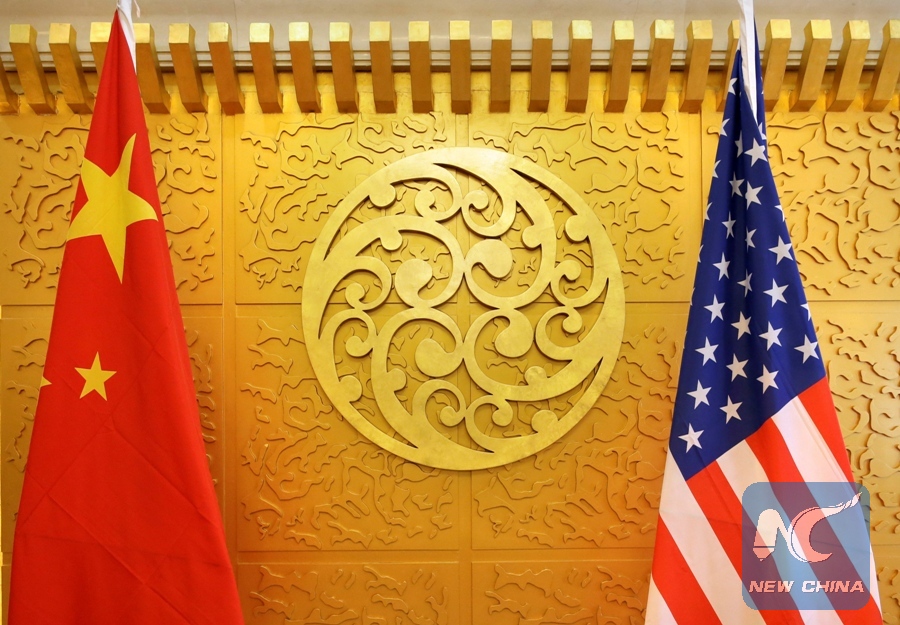
Chinese and U.S. flags are set up for a meeting during a visit by U.S. Secretary of Transportation Elaine Chao at China's Ministry of Transport in Beijing, China April 27, 2018. (Xinhua/REUTERS)

IOWA CITY, United States, Jan. 2 (Xinhua) -- Bruce Harreld, president of the University of Iowa in the United States, always prides himself on the cultural diversity of his profession and family, specifically on the links with China.

"I think it's a really important relationship between the two countries," Harreld said. "So as you see the unusual things happening here politically, calm down, take the long view, and understand that a lot of people in the United States are not only supportive but almost insistent of continuing to build deeper roots between our countries."

Harreld has a son who studied Mandarin and East Asian history at a college in China's southwestern city of Guilin, and a daughter who also studied Mandarin at a major university in Beijing. Both of them met and married their partners in China, bringing two Chinese into the family.

"I have a long history of personal as well as professional relationships with China -- a wonderful country," Harreld said.

Like Harreld, the University of Iowa also has well-established connections with China. It is home to a Confucius Institute and the International Writing Program (IWP), a global exchange plan that has invited more than 1,400 writers from some 150 nations to Iowa City for cultural communication since its initiation in 1967. The IWP has received some 50 Chinese writers, including Nobel Literature laureate Mo Yan.

These programs, in Harreld's view, show a commendable and honorable way to deal with irresistible globalization.

"We're all interconnected in so many different ways. So part of it is we need to introduce our students to the rest of the world (because) they're going to be global citizens," Harreld said.

Almost 60 percent of the international students at the University of Iowa are from China.

"So support us, help us, send people here, send your best here. Understand that when they come here, they're going to get an exposure. That's really good for your country," Harreld said.

"The more we communicate, the more we open our arms, the better off we all are," he said.

Trust is probably not built between countries or institutions, but by people and the ability to work together, Harreld said.

"That's the reason for the diversity of these relationships, and at the foundational level, person to person. As long as we stay wide open as a university, and very welcoming, and students are interested in international experience and in coming to the United States, I think things will be fine," he said.

Harreld also noted there is a lot for the two nations to share and cooperate in, such as infrastructure.

He suggested that blustering politicians in Washington, D.C., should mind their tongues.

"Be careful of your rhetoric in the heat of a campaign to get elected in the United States," he said. "Understand that people around the world were listening. And sometimes a more measured language probably is a little better for the rest of the world."

Harreld believes that dialogue, sharing and learning from one another are the right way to settle disputes.

"That doesn't happen if we just write it in a book and somebody publishes it and puts it on a bookshelf. It happens by direct relationships and exposure," he said.

"When we have these moments that aren't quite right ... that's OK. Maybe I'll learn and maybe I need to adjust my points of view. That's what the world's all about. That's what we're trying to teach at the University of Iowa," Harreld said.

Back to Top Close
Xinhuanet

Long-term view requisite for U.S.-China relations: U.S. university president

Source: Xinhua 2019-01-02 21:52:50

Chinese and U.S. flags are set up for a meeting during a visit by U.S. Secretary of Transportation Elaine Chao at China's Ministry of Transport in Beijing, China April 27, 2018. (Xinhua/REUTERS)

IOWA CITY, United States, Jan. 2 (Xinhua) -- Bruce Harreld, president of the University of Iowa in the United States, always prides himself on the cultural diversity of his profession and family, specifically on the links with China.

"I think it's a really important relationship between the two countries," Harreld said. "So as you see the unusual things happening here politically, calm down, take the long view, and understand that a lot of people in the United States are not only supportive but almost insistent of continuing to build deeper roots between our countries."

Harreld has a son who studied Mandarin and East Asian history at a college in China's southwestern city of Guilin, and a daughter who also studied Mandarin at a major university in Beijing. Both of them met and married their partners in China, bringing two Chinese into the family.

"I have a long history of personal as well as professional relationships with China -- a wonderful country," Harreld said.

Like Harreld, the University of Iowa also has well-established connections with China. It is home to a Confucius Institute and the International Writing Program (IWP), a global exchange plan that has invited more than 1,400 writers from some 150 nations to Iowa City for cultural communication since its initiation in 1967. The IWP has received some 50 Chinese writers, including Nobel Literature laureate Mo Yan.

These programs, in Harreld's view, show a commendable and honorable way to deal with irresistible globalization.

"We're all interconnected in so many different ways. So part of it is we need to introduce our students to the rest of the world (because) they're going to be global citizens," Harreld said.

Almost 60 percent of the international students at the University of Iowa are from China.

"So support us, help us, send people here, send your best here. Understand that when they come here, they're going to get an exposure. That's really good for your country," Harreld said.

"The more we communicate, the more we open our arms, the better off we all are," he said.

Trust is probably not built between countries or institutions, but by people and the ability to work together, Harreld said.

"That's the reason for the diversity of these relationships, and at the foundational level, person to person. As long as we stay wide open as a university, and very welcoming, and students are interested in international experience and in coming to the United States, I think things will be fine," he said.

Harreld also noted there is a lot for the two nations to share and cooperate in, such as infrastructure.

He suggested that blustering politicians in Washington, D.C., should mind their tongues.

"Be careful of your rhetoric in the heat of a campaign to get elected in the United States," he said. "Understand that people around the world were listening. And sometimes a more measured language probably is a little better for the rest of the world."

Harreld believes that dialogue, sharing and learning from one another are the right way to settle disputes.

"That doesn't happen if we just write it in a book and somebody publishes it and puts it on a bookshelf. It happens by direct relationships and exposure," he said.

"When we have these moments that aren't quite right ... that's OK. Maybe I'll learn and maybe I need to adjust my points of view. That's what the world's all about. That's what we're trying to teach at the University of Iowa," Harreld said.

010020070750000000000000011100001377152971