中文字幕网伦射乱中文-超清中文乱码字幕在线观看-亚洲v国产v欧美v久久久久久-久久性网-手机在线成人av-成人六区-国产人与zoxxxx另类一一-青青草国产久久精品-蜜桃av久久久一区二区三区麻豆-成人av一区二区免费播放-在线视频麻豆-www爱爱-成人免费看片视频-性欧美老肥妇喷水-五月99久久婷婷国产综合亚洲-亚洲最色-各种含道具高h调教1v1男男-91丨porny丨国产-国产精品无码专区在线观看不卡-大香伊人

 
Iran censures U.S. presence in Gulf, plans to improve battle features of speedboats
                 Source: Xinhua | 2019-01-02 05:39:58 | Editor: huaxia

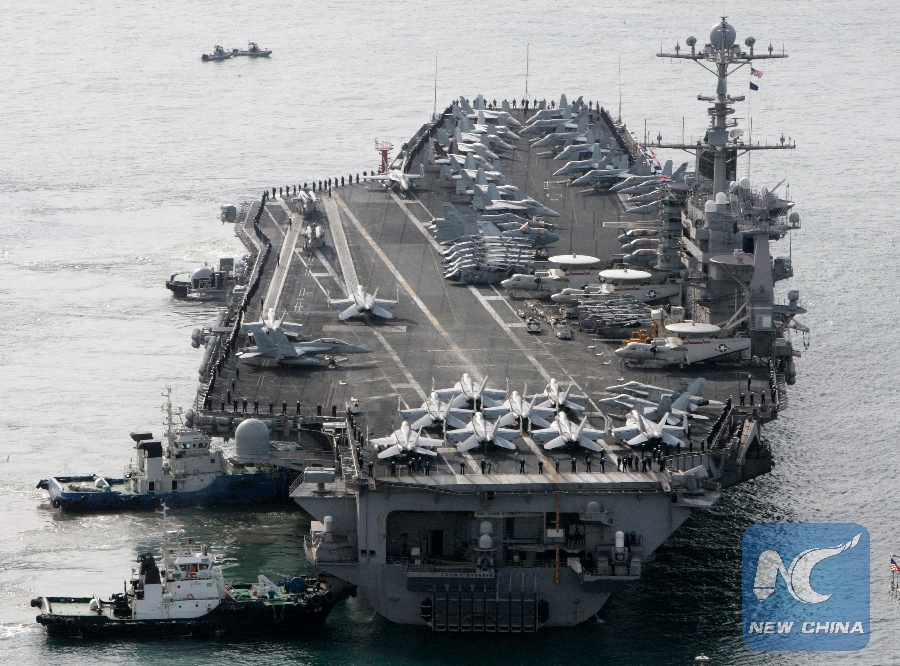
U.S. aircraft carrier USS John C. Stennis arrives at a South Korean naval base in Busan, about 420km southeast of Seoul, on March 11, 2009. (Reuters File photo)

TEHRAN, Dec. 31 (Xinhua) -- Iran's Islamic Revolutionary Guard Corps (IRGC) navy commander on Monday denounced the presence of U.S. naval forces in the Gulf and said the IRGC plans to improve the battle features of its speedboats.

The new speedboats to be operated by the IRGC will be radar-evading and equipped with new missiles, Alireza Tangsiri said.

The IRGC's navy attaches great importance to high speed and maneuverability of its boats in the missions, Tangsiri was quoted as saying by Press TV.

"We are planning to equip the IRGC's speedboats with radar-evading stealth technology while increasing their speed in order to conduct their missions," he said, adding that "new missiles moving at very high speed are being installed on the IRGC's naval vessels."

The IRGC has currently the fastest speedboats in the world, and "we are working on speedboats with the speed of 80 knots (148.16 km) (per hour) and beyond that," he pointed out.

The IRGC commander pointed to the return of U.S. aircraft carrier the John C. Stennis to the Gulf on Dec. 21 and said, "we are constantly monitoring them and have full command on these foreign forces."

The presence of foreign forces in the region disturbs security, noting that regional countries are capable of guaranteeing their security through staging joint military maneuvers and boosting cooperation, he added.

On Sunday, Chairman of the Chiefs of Staff of the Iranian Armed Forces Mohammad Baqeri said that the United States is only fueling insecurity in the Gulf through its presence in the strategic region.

"The Americans have always sowed insecurity wherever they had a presence," Baqeri told reporters in the southern Iranian port city of Bandar Abbas.

He emphasized that the Gulf countries are capable of ensuring security on their own and the U.S. presence in the region has no outcome except for creating insecurity.

On Saturday, Iran's Foreign Minister Mohammad Javad Zarif said that the U.S. military presence in the Gulf is "illegal" and would create tension in the region.

"Increased presence of Americans in the Gulf has always posed threats to the regional states," he said.

The John C. Stennis arrived in the oil-rich Gulf after Washington re-imposed sanctions on Iran's oil exports in November and withdrew from the 2015 Iranian nuclear deal in May.

Concurrent with the arrival of the U.S. aircraft carrier, the IRGC held a major military exercise in the Gulf, launching an "offensive" component in Iran's defensive strategy for the first time.

During that drills, Deputy Chief of Iran's Army for Coordination Habibollah Sayyari said that Iran would never allow U.S. warships to sail near its territorial waters.

Besides, "they cannot take any measure against us, because we are so prepared and have enough capabilities to stand up to such a publicity stunt," Sayyari said.

Iran has persistently called on the U.S. naval forces to leave the Gulf, calling for the regional states' cooperation to guarantee the security of this oil-rich water course.

Back to Top Close
Xinhuanet

Iran censures U.S. presence in Gulf, plans to improve battle features of speedboats

Source: Xinhua 2019-01-02 05:39:58

U.S. aircraft carrier USS John C. Stennis arrives at a South Korean naval base in Busan, about 420km southeast of Seoul, on March 11, 2009. (Reuters File photo)

TEHRAN, Dec. 31 (Xinhua) -- Iran's Islamic Revolutionary Guard Corps (IRGC) navy commander on Monday denounced the presence of U.S. naval forces in the Gulf and said the IRGC plans to improve the battle features of its speedboats.

The new speedboats to be operated by the IRGC will be radar-evading and equipped with new missiles, Alireza Tangsiri said.

The IRGC's navy attaches great importance to high speed and maneuverability of its boats in the missions, Tangsiri was quoted as saying by Press TV.

"We are planning to equip the IRGC's speedboats with radar-evading stealth technology while increasing their speed in order to conduct their missions," he said, adding that "new missiles moving at very high speed are being installed on the IRGC's naval vessels."

The IRGC has currently the fastest speedboats in the world, and "we are working on speedboats with the speed of 80 knots (148.16 km) (per hour) and beyond that," he pointed out.

The IRGC commander pointed to the return of U.S. aircraft carrier the John C. Stennis to the Gulf on Dec. 21 and said, "we are constantly monitoring them and have full command on these foreign forces."

The presence of foreign forces in the region disturbs security, noting that regional countries are capable of guaranteeing their security through staging joint military maneuvers and boosting cooperation, he added.

On Sunday, Chairman of the Chiefs of Staff of the Iranian Armed Forces Mohammad Baqeri said that the United States is only fueling insecurity in the Gulf through its presence in the strategic region.

"The Americans have always sowed insecurity wherever they had a presence," Baqeri told reporters in the southern Iranian port city of Bandar Abbas.

He emphasized that the Gulf countries are capable of ensuring security on their own and the U.S. presence in the region has no outcome except for creating insecurity.

On Saturday, Iran's Foreign Minister Mohammad Javad Zarif said that the U.S. military presence in the Gulf is "illegal" and would create tension in the region.

"Increased presence of Americans in the Gulf has always posed threats to the regional states," he said.

The John C. Stennis arrived in the oil-rich Gulf after Washington re-imposed sanctions on Iran's oil exports in November and withdrew from the 2015 Iranian nuclear deal in May.

Concurrent with the arrival of the U.S. aircraft carrier, the IRGC held a major military exercise in the Gulf, launching an "offensive" component in Iran's defensive strategy for the first time.

During that drills, Deputy Chief of Iran's Army for Coordination Habibollah Sayyari said that Iran would never allow U.S. warships to sail near its territorial waters.

Besides, "they cannot take any measure against us, because we are so prepared and have enough capabilities to stand up to such a publicity stunt," Sayyari said.

Iran has persistently called on the U.S. naval forces to leave the Gulf, calling for the regional states' cooperation to guarantee the security of this oil-rich water course.

010020070750000000000000011100001377132491