中文字幕网伦射乱中文-超清中文乱码字幕在线观看-亚洲v国产v欧美v久久久久久-久久性网-手机在线成人av-成人六区-国产人与zoxxxx另类一一-青青草国产久久精品-蜜桃av久久久一区二区三区麻豆-成人av一区二区免费播放-在线视频麻豆-www爱爱-成人免费看片视频-性欧美老肥妇喷水-五月99久久婷婷国产综合亚洲-亚洲最色-各种含道具高h调教1v1男男-91丨porny丨国产-国产精品无码专区在线观看不卡-大香伊人

 
Seeing penguins' poop from space reveals changes in Antarctic ecosystem
                 Source: Xinhua | 2018-12-12 06:15:19 | Editor: huaxia

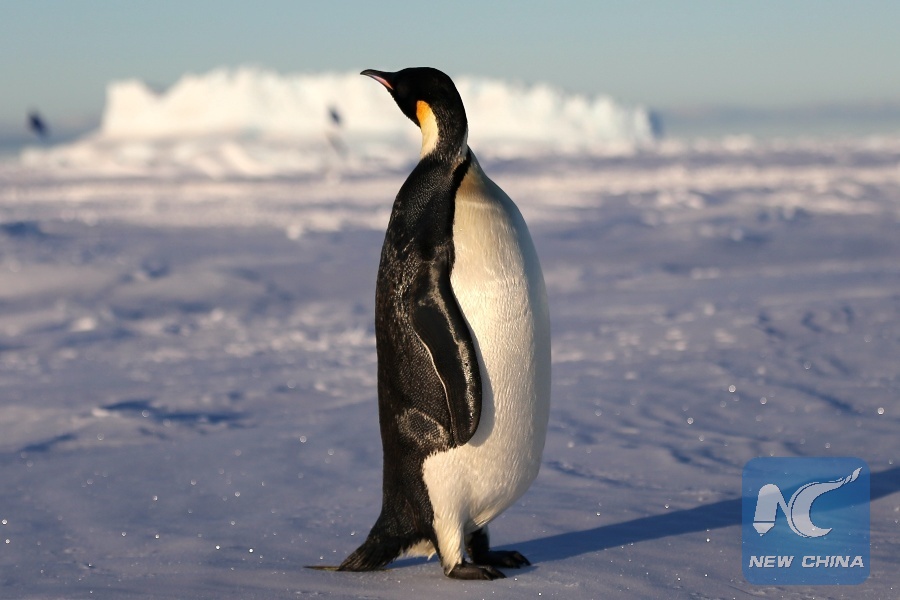
An emperor penguin is seen near China's research icebreaker Xuelong in Antarctica, Dec. 2, 2018. (Xinhua/Liu Shiping)

WASHINGTON, Dec. 11 (Xinhua) -- A NASA-funded study used satellite to search for penguin poo in Antarctica: funny at first sight though, but it resulted in unique insights on the Adelie penguin's diet and its future as the climate changes.

The findings published on Tuesday at the American Geophysical Union's annual meeting unlocked the secrets about the species that can provide an early-warning of threats to Antarctica's delicate ecosystem.

Researchers from Stony Brook University tapped into Landsat satellite imagery to see if the Adelie's diet has been changing in response to Antarctica's changing climate. Adelie penguin populations have declined significantly in some areas even as the global population increases.

The satellite images cannot show the penguins individually, but it can detect their presence by the stain left on the ice by their excrement, called guano.

"Male and female penguins take turns incubating the nest. The guano left behind builds up in the same areas occupied by the nests themselves," said Heather Lynch, associate professor at Stony Brook.

They used the area of the colony as defined by the guano stain to work back to the number of pairs that must have been inside the colony. An initial global survey for Adelie penguins turned up 3.8 million breeding pairs.

Also, the Landsat data can detect the color of the penguin guano. "Penguin guano ranges from white to pink to dark red," said Lynch. "White guano is from eating mostly fish; pink and red would be from eating mostly krill."

The team found that while Adelie penguin diet did show changes from year to year, no consistent pattern was apparent.

"This was a big surprise, since the abundance and distribution of Adelie penguins has changed dramatically over the last 40 years and scientists had hypothesized that a shift in diet may have played a role," said Casey Youngflesh, a graduate student from Stony Brook University.

However, given continued changes in the physical environment and a growing krill fishery in the region, changes are likely to be seen both in the availability of penguin prey and penguin populations themselves, according to Youngflesh.

"Tools such as these will be important for the management of the Antarctic ecosystem, which is often considered among the most pristine areas in the world," said Youngflesh.

Back to Top Close
Xinhuanet

Seeing penguins' poop from space reveals changes in Antarctic ecosystem

Source: Xinhua 2018-12-12 06:15:19

An emperor penguin is seen near China's research icebreaker Xuelong in Antarctica, Dec. 2, 2018. (Xinhua/Liu Shiping)

WASHINGTON, Dec. 11 (Xinhua) -- A NASA-funded study used satellite to search for penguin poo in Antarctica: funny at first sight though, but it resulted in unique insights on the Adelie penguin's diet and its future as the climate changes.

The findings published on Tuesday at the American Geophysical Union's annual meeting unlocked the secrets about the species that can provide an early-warning of threats to Antarctica's delicate ecosystem.

Researchers from Stony Brook University tapped into Landsat satellite imagery to see if the Adelie's diet has been changing in response to Antarctica's changing climate. Adelie penguin populations have declined significantly in some areas even as the global population increases.

The satellite images cannot show the penguins individually, but it can detect their presence by the stain left on the ice by their excrement, called guano.

"Male and female penguins take turns incubating the nest. The guano left behind builds up in the same areas occupied by the nests themselves," said Heather Lynch, associate professor at Stony Brook.

They used the area of the colony as defined by the guano stain to work back to the number of pairs that must have been inside the colony. An initial global survey for Adelie penguins turned up 3.8 million breeding pairs.

Also, the Landsat data can detect the color of the penguin guano. "Penguin guano ranges from white to pink to dark red," said Lynch. "White guano is from eating mostly fish; pink and red would be from eating mostly krill."

The team found that while Adelie penguin diet did show changes from year to year, no consistent pattern was apparent.

"This was a big surprise, since the abundance and distribution of Adelie penguins has changed dramatically over the last 40 years and scientists had hypothesized that a shift in diet may have played a role," said Casey Youngflesh, a graduate student from Stony Brook University.

However, given continued changes in the physical environment and a growing krill fishery in the region, changes are likely to be seen both in the availability of penguin prey and penguin populations themselves, according to Youngflesh.

"Tools such as these will be important for the management of the Antarctic ecosystem, which is often considered among the most pristine areas in the world," said Youngflesh.

010020070750000000000000011100001376670351