中文字幕网伦射乱中文-超清中文乱码字幕在线观看-亚洲v国产v欧美v久久久久久-久久性网-手机在线成人av-成人六区-国产人与zoxxxx另类一一-青青草国产久久精品-蜜桃av久久久一区二区三区麻豆-成人av一区二区免费播放-在线视频麻豆-www爱爱-成人免费看片视频-性欧美老肥妇喷水-五月99久久婷婷国产综合亚洲-亚洲最色-各种含道具高h调教1v1男男-91丨porny丨国产-国产精品无码专区在线观看不卡-大香伊人

 
Canadian cities unready for climate change
                 Source: Xinhua | 2018-12-03 23:14:53 | Editor: huaxia

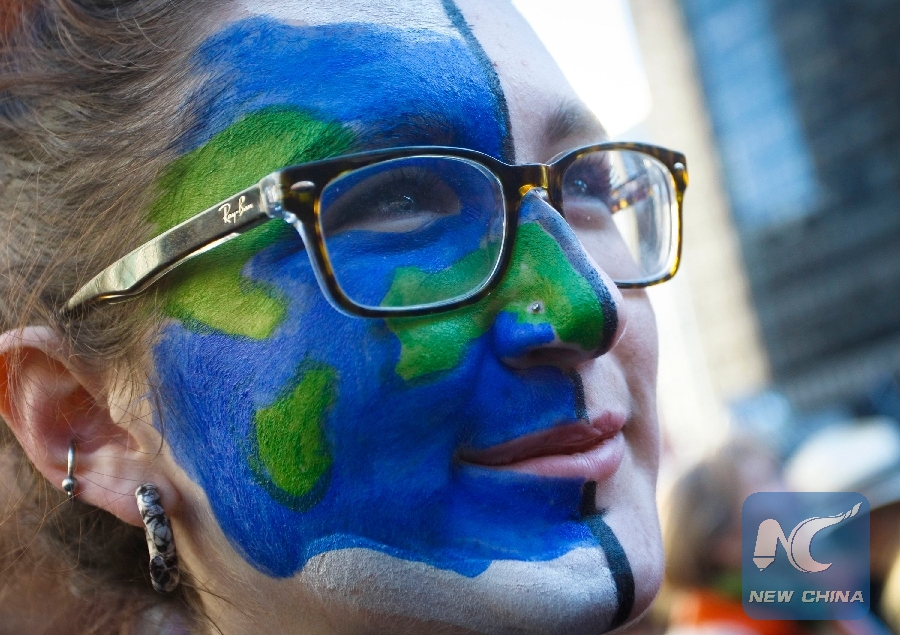
File Photo: A participant puts on an earth pattern face paint during the Global Climate March in Vancouver, Canada, Nov. 29, 2015. (Xinhua/Liang Sen)

OTTAWA, Dec. 2 (Xinhua) -- Canadian cities have not prepared well against the threat posed by climate change, according to a study newly published in the journal Climatic Change.

The study is based on a survey of 63 Canadian municipalities of all sizes against 46 indicators that include baseline information, goals, implementation, evaluation and public participation, showing major gaps in how most cities are preparing for coming conditions and in how they are reducing their contribution to the problem.

Most Canadians and property are in cities, which not only are strapped for cash to fill potholes and run buses, but their main source of income can conflict with the need to plan for climate change.

"Almost all plans failed to include an assessment of the municipality's vulnerability to specific climate change impacts," the paper says. Many cities hadn't done enough research to be able to write a comprehensive plan.

Only seven communities had identified specific neighbourhoods that might be vulnerable. A dozen identified specific local industries at risk.

Climate scientists are increasingly able to attribute extreme weather events to the influence of climate change. And when floods or wildfires destroy lives and property, it's usually in a city.

Cities are the most vulnerable to climate change in Canada but have the least resources to manage the problem, so it's imperative that they have some strategy or plan, the paper adds.

The paper is the result of more than a year's effort and included computer modelling of what the local climate might look like in 2050. That study concluded that the number of extreme heat days is likely to increase to 30 from four and the number of extreme precipitation events to double to nine.

Back to Top Close
Xinhuanet

Canadian cities unready for climate change

Source: Xinhua 2018-12-03 23:14:53

File Photo: A participant puts on an earth pattern face paint during the Global Climate March in Vancouver, Canada, Nov. 29, 2015. (Xinhua/Liang Sen)

OTTAWA, Dec. 2 (Xinhua) -- Canadian cities have not prepared well against the threat posed by climate change, according to a study newly published in the journal Climatic Change.

The study is based on a survey of 63 Canadian municipalities of all sizes against 46 indicators that include baseline information, goals, implementation, evaluation and public participation, showing major gaps in how most cities are preparing for coming conditions and in how they are reducing their contribution to the problem.

Most Canadians and property are in cities, which not only are strapped for cash to fill potholes and run buses, but their main source of income can conflict with the need to plan for climate change.

"Almost all plans failed to include an assessment of the municipality's vulnerability to specific climate change impacts," the paper says. Many cities hadn't done enough research to be able to write a comprehensive plan.

Only seven communities had identified specific neighbourhoods that might be vulnerable. A dozen identified specific local industries at risk.

Climate scientists are increasingly able to attribute extreme weather events to the influence of climate change. And when floods or wildfires destroy lives and property, it's usually in a city.

Cities are the most vulnerable to climate change in Canada but have the least resources to manage the problem, so it's imperative that they have some strategy or plan, the paper adds.

The paper is the result of more than a year's effort and included computer modelling of what the local climate might look like in 2050. That study concluded that the number of extreme heat days is likely to increase to 30 from four and the number of extreme precipitation events to double to nine.

010020070750000000000000011100001376484811