中文字幕网伦射乱中文-超清中文乱码字幕在线观看-亚洲v国产v欧美v久久久久久-久久性网-手机在线成人av-成人六区-国产人与zoxxxx另类一一-青青草国产久久精品-蜜桃av久久久一区二区三区麻豆-成人av一区二区免费播放-在线视频麻豆-www爱爱-成人免费看片视频-性欧美老肥妇喷水-五月99久久婷婷国产综合亚洲-亚洲最色-各种含道具高h调教1v1男男-91丨porny丨国产-国产精品无码专区在线观看不卡-大香伊人

 
Iraqi children continue to suffer conflict, inequality in last 7 years: UNICEF report
                 Source: Xinhua | 2018-11-20 06:50:03 | Editor: huaxia

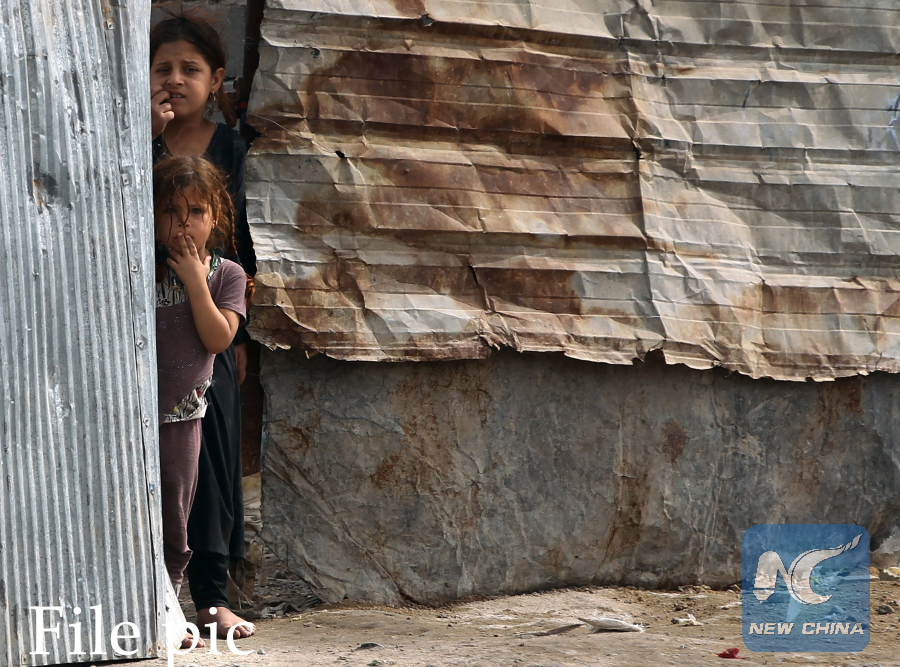
Empoverished Iraqi children stand by their home's entrance in Baghdad's mostly Shiite Sadr City district on Oct. 12, 2018. (AFP file photo)

BAGHDAD, Nov. 19 (Xinhua) -- A UNICEF report said on Monday that the majority of Iraqi children are not receiving any assistance from the government, with 80 percent of them having experienced violence at home or in school.

"Children's education needs in Iraq are vast: half of all public schools in the country require rehabilitation and one in three schools run multiple shifts, squeezing children's learning time," the UNICEF report said.

As the first comprehensive survey on the wellbeing of Iraqi children conducted by the UNICEF in seven years, the report pointed to conflict and inequality as the continuing feature of Iraqi children.

Just over half of children from poorer backgrounds complete their primary education, while the gap widens in upper secondary school, where less than a quarter of poor children graduate, the report said.

"The data is the clearest indication yet that the most vulnerable children in Iraq are the ones that are most likely to fall behind," said Peter Hawkins, UNICEF representative in Iraq.

"The hard-won gains to end the conflict in Iraq and transition to a stable future could be lost without additional investments for all children to reach their full potential," Hawkins added.

In addition, only four out of 10 children are fully vaccinated, with the poorest children missing out the most, the report noted.

However, Iraq has made notable progress on newborn and child health, including reducing the number of children who die in their first month of life from 20 deaths per 1,000 live births to 14 since the last survey was conducted in 2011, according to the report carried out under the auspices of Iraqi Prime Minister Adel Abdul Mahdi.

The UNICEF report called on the Iraqi government "to invest in services that benefit children affected by conflict and poverty, and to work towards putting an end to all forms of violence against children."

Back to Top Close
Xinhuanet

Iraqi children continue to suffer conflict, inequality in last 7 years: UNICEF report

Source: Xinhua 2018-11-20 06:50:03

Empoverished Iraqi children stand by their home's entrance in Baghdad's mostly Shiite Sadr City district on Oct. 12, 2018. (AFP file photo)

BAGHDAD, Nov. 19 (Xinhua) -- A UNICEF report said on Monday that the majority of Iraqi children are not receiving any assistance from the government, with 80 percent of them having experienced violence at home or in school.

"Children's education needs in Iraq are vast: half of all public schools in the country require rehabilitation and one in three schools run multiple shifts, squeezing children's learning time," the UNICEF report said.

As the first comprehensive survey on the wellbeing of Iraqi children conducted by the UNICEF in seven years, the report pointed to conflict and inequality as the continuing feature of Iraqi children.

Just over half of children from poorer backgrounds complete their primary education, while the gap widens in upper secondary school, where less than a quarter of poor children graduate, the report said.

"The data is the clearest indication yet that the most vulnerable children in Iraq are the ones that are most likely to fall behind," said Peter Hawkins, UNICEF representative in Iraq.

"The hard-won gains to end the conflict in Iraq and transition to a stable future could be lost without additional investments for all children to reach their full potential," Hawkins added.

In addition, only four out of 10 children are fully vaccinated, with the poorest children missing out the most, the report noted.

However, Iraq has made notable progress on newborn and child health, including reducing the number of children who die in their first month of life from 20 deaths per 1,000 live births to 14 since the last survey was conducted in 2011, according to the report carried out under the auspices of Iraqi Prime Minister Adel Abdul Mahdi.

The UNICEF report called on the Iraqi government "to invest in services that benefit children affected by conflict and poverty, and to work towards putting an end to all forms of violence against children."

010020070750000000000000011100001376183301