中文字幕网伦射乱中文-超清中文乱码字幕在线观看-亚洲v国产v欧美v久久久久久-久久性网-手机在线成人av-成人六区-国产人与zoxxxx另类一一-青青草国产久久精品-蜜桃av久久久一区二区三区麻豆-成人av一区二区免费播放-在线视频麻豆-www爱爱-成人免费看片视频-性欧美老肥妇喷水-五月99久久婷婷国产综合亚洲-亚洲最色-各种含道具高h调教1v1男男-91丨porny丨国产-国产精品无码专区在线观看不卡-大香伊人

 
UN humanitarian chief asks for civilian protection in demilitarized zone in Syria's Idlib
                 Source: Xinhua | 2018-09-19 03:50:31 | Editor: huaxia

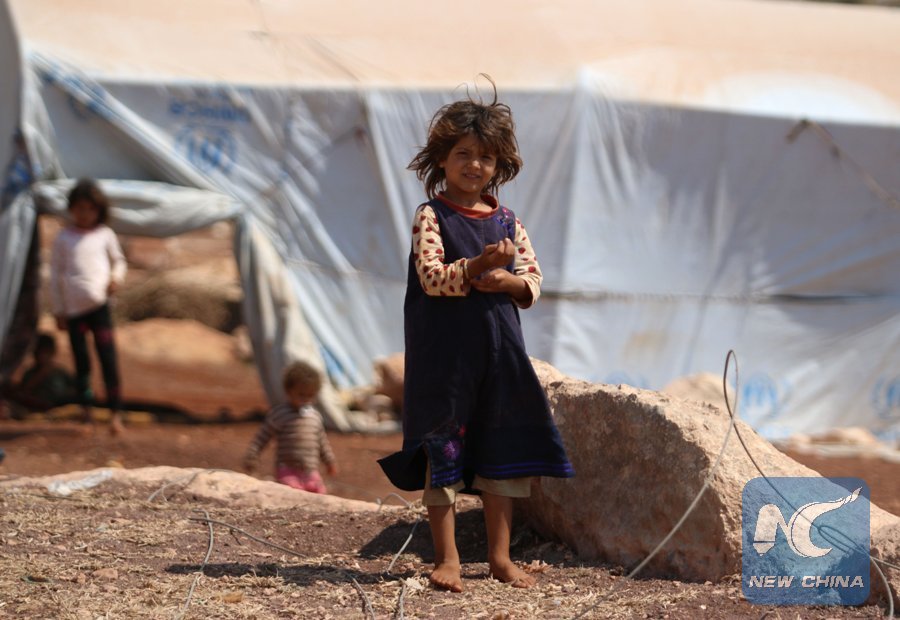
File Photo: A displaced Syrian girl stands outside her tent in a camp in Kafr Lusin near the border with Turkey in the northern part of Syria's rebel-held Idlib province on Sept. 9, 2018. (Xinhua/AFP)

UNITED NATIONS, Sept. 18 (Xinhua) -- UN Undersecretary-General for Humanitarian Affairs Mark Lowcock on Tuesday asked for civilian protection in the creation of a demilitarized buffer zone in Syria's Idlib province.

Whether from within or outside the proposed demilitarized area, should civilians deem it necessary to leave, they must be allowed to seek refuge elsewhere, Lowcock told a Security Council.

Lowcock was talking about Monday's agreement between Russian President Vladimir Putin and Turkish President Recep Tayyip Erdogan to establish a demilitarized zone within Idlib.

In case of displacement from the demilitarized zone, all possible measures must be taken so that affected civilians are received under satisfactory conditions of shelter, hygiene, health, safety and nutrition and that members of the same family are not separated, he said.

It is also important that any screening to distinguish civilians from fighters be undertaken in accordance with international humanitarian law and clear standard operating procedures, ensuring humane treatment and accounting for those who have been screened, said Lowcock.

Special protection and assistance measures should be in place for civilians, in particular women and children family members who have been associated with or are family members of fighters, he said.

Regardless of location, whether within or outside the demilitarized zone, international humanitarian law obligations continue to apply. Warring parties cannot deliberately or carelessly disregard the distinction between civilians and combatants, or between civilian infrastructure and military objectives, said Lowcock.

He welcomed the Russia-Turkey agreement to set up a demilitarized zone in Idlib. If sustained and implemented in full respect of international humanitarian law, the agreement may avert the catastrophe the UN humanitarian system has been warning against, he said.

To succeed, demilitarization requires the agreement of all parties, he stressed. "Short of such agreement, it is foreseeable that force will be used to demilitarize, and thus civilians exposed to the very harm we are trying to avoid."

Across much of the country, the situation is now calmer than it was in January. But humanitarian needs still remain substantial, said Lowcock.

Back to Top Close
Xinhuanet

UN humanitarian chief asks for civilian protection in demilitarized zone in Syria's Idlib

Source: Xinhua 2018-09-19 03:50:31

File Photo: A displaced Syrian girl stands outside her tent in a camp in Kafr Lusin near the border with Turkey in the northern part of Syria's rebel-held Idlib province on Sept. 9, 2018. (Xinhua/AFP)

UNITED NATIONS, Sept. 18 (Xinhua) -- UN Undersecretary-General for Humanitarian Affairs Mark Lowcock on Tuesday asked for civilian protection in the creation of a demilitarized buffer zone in Syria's Idlib province.

Whether from within or outside the proposed demilitarized area, should civilians deem it necessary to leave, they must be allowed to seek refuge elsewhere, Lowcock told a Security Council.

Lowcock was talking about Monday's agreement between Russian President Vladimir Putin and Turkish President Recep Tayyip Erdogan to establish a demilitarized zone within Idlib.

In case of displacement from the demilitarized zone, all possible measures must be taken so that affected civilians are received under satisfactory conditions of shelter, hygiene, health, safety and nutrition and that members of the same family are not separated, he said.

It is also important that any screening to distinguish civilians from fighters be undertaken in accordance with international humanitarian law and clear standard operating procedures, ensuring humane treatment and accounting for those who have been screened, said Lowcock.

Special protection and assistance measures should be in place for civilians, in particular women and children family members who have been associated with or are family members of fighters, he said.

Regardless of location, whether within or outside the demilitarized zone, international humanitarian law obligations continue to apply. Warring parties cannot deliberately or carelessly disregard the distinction between civilians and combatants, or between civilian infrastructure and military objectives, said Lowcock.

He welcomed the Russia-Turkey agreement to set up a demilitarized zone in Idlib. If sustained and implemented in full respect of international humanitarian law, the agreement may avert the catastrophe the UN humanitarian system has been warning against, he said.

To succeed, demilitarization requires the agreement of all parties, he stressed. "Short of such agreement, it is foreseeable that force will be used to demilitarize, and thus civilians exposed to the very harm we are trying to avoid."

Across much of the country, the situation is now calmer than it was in January. But humanitarian needs still remain substantial, said Lowcock.

010020070750000000000000011105091374773321