中文字幕网伦射乱中文-超清中文乱码字幕在线观看-亚洲v国产v欧美v久久久久久-久久性网-手机在线成人av-成人六区-国产人与zoxxxx另类一一-青青草国产久久精品-蜜桃av久久久一区二区三区麻豆-成人av一区二区免费播放-在线视频麻豆-www爱爱-成人免费看片视频-性欧美老肥妇喷水-五月99久久婷婷国产综合亚洲-亚洲最色-各种含道具高h调教1v1男男-91丨porny丨国产-国产精品无码专区在线观看不卡-大香伊人

 
Chinese prosperity never achieved by stealing from anyone: ambassador
                 Source: Xinhua | 2018-07-20 03:28:54 | Editor: huaxia

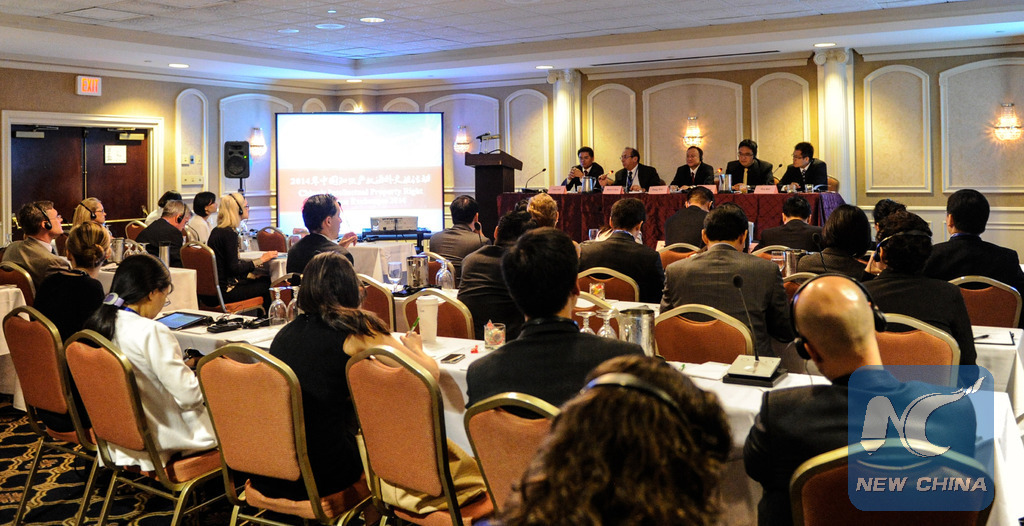
Chinese and U.S. specialists exchange ideas on intellectual property right (IPR) protection during an event held in Washington, D.C., the United Staets on Sept. 12, 2014. At the event, Chinese officials introduced the country's recent achievements in improving its IPR system, including the amending of the Trade Mark Law and Copyright Law, and the efforts to establish specialized IPR courts in Beijing, Shanghai and Guangzhou. (Xinhua/Bao Dandan)

WASHINGTON, July 19 (Xinhua) -- Chinese Ambassador to the United States Cui Tiankai said Wednesday that China's economic success "has never been achieved by stealing from anyone, and never will be."

In an article published in USA Today, Cui rebutted the U.S. government's accusations of China forcing technology transfers and stealing intellectual property rights (IPR).

He wrote that China is "strategically committed to and has recently made demonstrably significant strides" in IPR protection.

"We have codified a robust IPR protection legal system, including setting up IPR courts and dedicated tribunals that enhance the dominant role of the judiciary in IPR protection," he said.

"Since entering the World Trade Organization in 2001, intellectual property royalties paid by China to foreign right holders has registered an annual growth of 17 percent, reaching $28.6 billion in 2017," he added. "More than $7 billion (25 percent) went to the U.S."

"Indeed, improving IPR protection is crucial to China's own development, particularly technological innovation," stressed the Chinese diplomat.

On alleged "forced technology transfer," Cui said, "Let's be clear: The Chinese government has never made any such request to foreign companies."

"When it comes to technology or any other cooperation between Chinese and foreign companies, it is purely a matter of voluntary contracts," he said.

"Indeed, many foreign companies have reaped huge benefits from setting up joint ventures in China over the years," said Cui. "The U.S. motives for trade war are wrong."

Cui's article came as the world's two biggest economies have been locked in a trade dispute. The United States has also provoked trade tensions with other economies.

Back to Top Close
Xinhuanet

Chinese prosperity never achieved by stealing from anyone: ambassador

Source: Xinhua 2018-07-20 03:28:54

Chinese and U.S. specialists exchange ideas on intellectual property right (IPR) protection during an event held in Washington, D.C., the United Staets on Sept. 12, 2014. At the event, Chinese officials introduced the country's recent achievements in improving its IPR system, including the amending of the Trade Mark Law and Copyright Law, and the efforts to establish specialized IPR courts in Beijing, Shanghai and Guangzhou. (Xinhua/Bao Dandan)

WASHINGTON, July 19 (Xinhua) -- Chinese Ambassador to the United States Cui Tiankai said Wednesday that China's economic success "has never been achieved by stealing from anyone, and never will be."

In an article published in USA Today, Cui rebutted the U.S. government's accusations of China forcing technology transfers and stealing intellectual property rights (IPR).

He wrote that China is "strategically committed to and has recently made demonstrably significant strides" in IPR protection.

"We have codified a robust IPR protection legal system, including setting up IPR courts and dedicated tribunals that enhance the dominant role of the judiciary in IPR protection," he said.

"Since entering the World Trade Organization in 2001, intellectual property royalties paid by China to foreign right holders has registered an annual growth of 17 percent, reaching $28.6 billion in 2017," he added. "More than $7 billion (25 percent) went to the U.S."

"Indeed, improving IPR protection is crucial to China's own development, particularly technological innovation," stressed the Chinese diplomat.

On alleged "forced technology transfer," Cui said, "Let's be clear: The Chinese government has never made any such request to foreign companies."

"When it comes to technology or any other cooperation between Chinese and foreign companies, it is purely a matter of voluntary contracts," he said.

"Indeed, many foreign companies have reaped huge benefits from setting up joint ventures in China over the years," said Cui. "The U.S. motives for trade war are wrong."

Cui's article came as the world's two biggest economies have been locked in a trade dispute. The United States has also provoked trade tensions with other economies.

010020070750000000000000011100001373363281