中文字幕网伦射乱中文-超清中文乱码字幕在线观看-亚洲v国产v欧美v久久久久久-久久性网-手机在线成人av-成人六区-国产人与zoxxxx另类一一-青青草国产久久精品-蜜桃av久久久一区二区三区麻豆-成人av一区二区免费播放-在线视频麻豆-www爱爱-成人免费看片视频-性欧美老肥妇喷水-五月99久久婷婷国产综合亚洲-亚洲最色-各种含道具高h调教1v1男男-91丨porny丨国产-国产精品无码专区在线观看不卡-大香伊人

 
Opinion: U.S. brazen bullying on trade to boomerang back with unbearable costs
                 Source: Xinhua | 2018-07-12 21:49:56 | Editor: huaxia

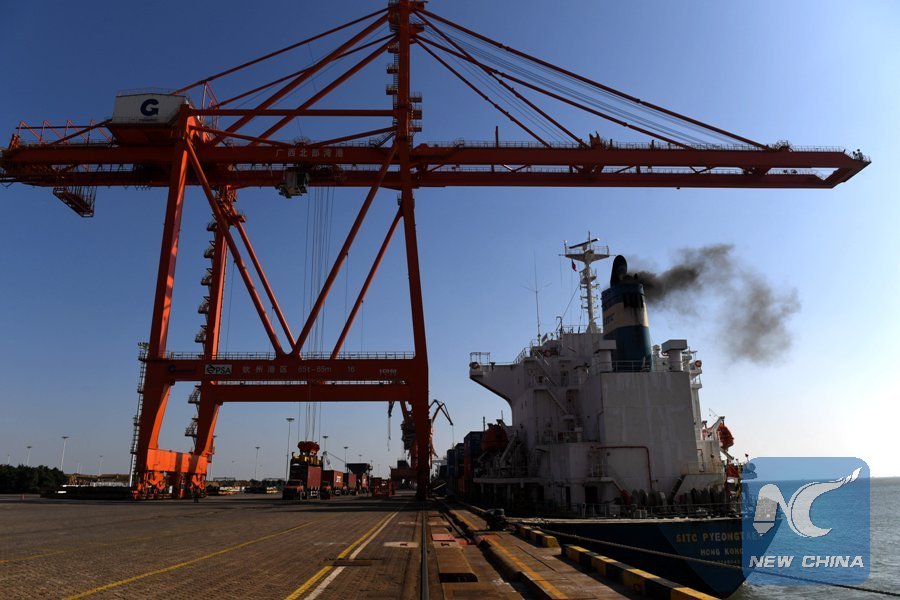
File Photo: A cargo ship berths at Qinzhou port in Qinzhou, south China's Guangxi Zhuang Autonomous Region, Dec. 19, 2017. (Xinhua/Zhang Ailin)

by Xinhua writers Zhu Dongyang, Gao Pan

BEIJING, June 12 (Xinhua) -- Washington's efforts to slap tariffs on China and other major trading partners are destined to meet with retaliation worldwide with its continued disregard of global rules, supply chains and multilateral framework.

In a most recent move, it went further in extending tariff measures affecting another 200-billion-U.S. dollar imports from China.

The list rolled out on Tuesday adds to the Trump administration's tariffs on some 34-billion-dollar Chinese goods last week, and would in all likelihood pour fuel on the already escalating trade conflict between the world's two largest economies.

For starters, the U.S. plan is illegitimate and ill-grounded. Its justification, or the so-called Section 301, is widely known as a one-sided tool that was born and bred in the Cold War era and has been banned by the World Trade Organization (WTO) to legitimize U.S.-initiated sanctions, to which, by the way, Washington had once pledged to commit.

Besides, those hawks inside the Trump administration seem to expect an overturn of global supplies and a comeback of U.S. productions by means of tariffs.

Both are fallacies. As shown in the fleeing of U.S. motorcycle maker Harley-Davidson, the market rules will lead global investors to vote with their feet for lower costs and higher efficiency in the interests of their stockholders.

Even if the Trump administration really gets its way by disturbing the current global supply network, the sophisticated industries, sufficient labor force and snowballing middle-class market in Asia would warrant a re-integration of supplies inside the region, not otherwise.

In sharp contrast with the nosedive of U.S. popularity among investors since the Trump administration announced tariffs, China's recent commitment to further reform and opening up has been attractive to Tesla and BMW.

Tesla will open its first overseas plant in Shanghai, with a planned annual capacity of 500,000 electric cars. BMW has also been thinking about expanding investment in China.

The German automaker has warned that the U.S. tariffs on imported motor vehicles would further switch off foreign investments and domestic jobs.

Moreover, by overpromising and then underdelivering its commitment to free trade, Washington has pushed it to the limits in bullying China into making more concessions.

Washington's misconduct will not go unchecked. From China to Europe, from Mexico to India and Russia, those tariff tricks have paralyzed trade consultations, and reduced Washington into an object of resentment and retaliations.

The tariffs will render U.S. companies and citizens more price hikes, and result in choked domestic investment and consumptions. Wherever those trade conflicts evolve, the U.S. enterprises, its people and the economy will suffer.

Back to Top Close
Xinhuanet

Opinion: U.S. brazen bullying on trade to boomerang back with unbearable costs

Source: Xinhua 2018-07-12 21:49:56

File Photo: A cargo ship berths at Qinzhou port in Qinzhou, south China's Guangxi Zhuang Autonomous Region, Dec. 19, 2017. (Xinhua/Zhang Ailin)

by Xinhua writers Zhu Dongyang, Gao Pan

BEIJING, June 12 (Xinhua) -- Washington's efforts to slap tariffs on China and other major trading partners are destined to meet with retaliation worldwide with its continued disregard of global rules, supply chains and multilateral framework.

In a most recent move, it went further in extending tariff measures affecting another 200-billion-U.S. dollar imports from China.

The list rolled out on Tuesday adds to the Trump administration's tariffs on some 34-billion-dollar Chinese goods last week, and would in all likelihood pour fuel on the already escalating trade conflict between the world's two largest economies.

For starters, the U.S. plan is illegitimate and ill-grounded. Its justification, or the so-called Section 301, is widely known as a one-sided tool that was born and bred in the Cold War era and has been banned by the World Trade Organization (WTO) to legitimize U.S.-initiated sanctions, to which, by the way, Washington had once pledged to commit.

Besides, those hawks inside the Trump administration seem to expect an overturn of global supplies and a comeback of U.S. productions by means of tariffs.

Both are fallacies. As shown in the fleeing of U.S. motorcycle maker Harley-Davidson, the market rules will lead global investors to vote with their feet for lower costs and higher efficiency in the interests of their stockholders.

Even if the Trump administration really gets its way by disturbing the current global supply network, the sophisticated industries, sufficient labor force and snowballing middle-class market in Asia would warrant a re-integration of supplies inside the region, not otherwise.

In sharp contrast with the nosedive of U.S. popularity among investors since the Trump administration announced tariffs, China's recent commitment to further reform and opening up has been attractive to Tesla and BMW.

Tesla will open its first overseas plant in Shanghai, with a planned annual capacity of 500,000 electric cars. BMW has also been thinking about expanding investment in China.

The German automaker has warned that the U.S. tariffs on imported motor vehicles would further switch off foreign investments and domestic jobs.

Moreover, by overpromising and then underdelivering its commitment to free trade, Washington has pushed it to the limits in bullying China into making more concessions.

Washington's misconduct will not go unchecked. From China to Europe, from Mexico to India and Russia, those tariff tricks have paralyzed trade consultations, and reduced Washington into an object of resentment and retaliations.

The tariffs will render U.S. companies and citizens more price hikes, and result in choked domestic investment and consumptions. Wherever those trade conflicts evolve, the U.S. enterprises, its people and the economy will suffer.

010020070750000000000000011100001373202841