中文字幕网伦射乱中文-超清中文乱码字幕在线观看-亚洲v国产v欧美v久久久久久-久久性网-手机在线成人av-成人六区-国产人与zoxxxx另类一一-青青草国产久久精品-蜜桃av久久久一区二区三区麻豆-成人av一区二区免费播放-在线视频麻豆-www爱爱-成人免费看片视频-性欧美老肥妇喷水-五月99久久婷婷国产综合亚洲-亚洲最色-各种含道具高h调教1v1男男-91丨porny丨国产-国产精品无码专区在线观看不卡-大香伊人

 
Novel HIV vaccine candidate induces immune responses in humans, monkeys: study
                 Source: Xinhua | 2018-07-08 03:50:28 | Editor: huaxia

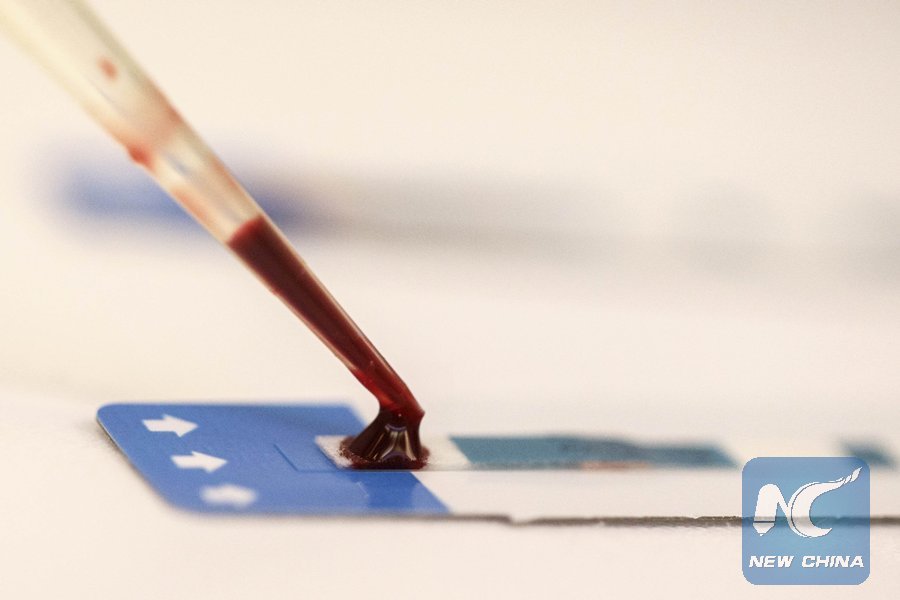
The file photo shows that a nurse tests a blood sample during a free HIV test at a blood tests party, part of a campaign to prevent HIV infection among male same-sex couples, in Bangkok, Thailand, Sept. 20, 2014. (REUTERS Photo)

WASHINGTON, July 7 (Xinhua) -- A new study published on Friday in the Lancet showed that an experimental, preventive HIV-1 vaccine regimen was well-tolerated and generated comparable and robust immune responses against HIV in healthy adults and rhesus monkeys.

Also, the vaccine candidate provided 67 percent protection against infection with an HIV-like virus in monkeys, according to the study.

Based on the results from phase 1 and phase 2a clinical trials that involved nearly 400 healthy adults in Rwanda, South Africa, Thailand, Uganda and the United States, a phase 2b trial has been initiated in southern Africa to determine the safety and efficacy of the HIV-1 vaccine candidate in 2,600 women at risk for acquiring HIV.

This is one of only five experimental HIV-1 vaccine concepts that have progressed to efficacy trials in humans in the 35 years of the global HIV/AIDS epidemic.

Previous HIV-1 vaccine candidates have typically been limited to specific regions of the world. The experimental regimens tested in this study are based on 'mosaic' vaccines that take pieces of different HIV viruses and combine them to elicit immune responses against a wide variety of HIV strains.

"This study demonstrates that the mosaic Ad26 prime, Ad26 plus gp140 boost HIV vaccine candidate induced robust immune responses in humans and monkeys with comparable magnitude, kinetics, phenotype, and durability," said Dan Barouch, director of the Center for Virology and Vaccine Research at Beth Israel Deaconess Medical Center, who led the study.

Almost 37 million people worldwide are living with HIV/AIDS, with an estimated 1.8 million new cases every year. A safe and effective preventative vaccine is urgently needed to curb the HIV pandemic.

In the 35 years of the HIV epidemic, only four HIV vaccine concepts have been tested in humans, and only one has provided evidence of protection in an efficacy trial in Thailand, which lowered the rate of human infection by 31 percent but the effect was considered too low to advance the vaccine to common use.

The Ad26/Ad26 plus gp140 vaccine candidate induced the greatest immune responses in humans and also provided the best protection in monkeys, resulting in complete protection against infection of SHIV, a virus similar to HIV that infects monkeys, in two-thirds of the vaccinated animals.

However, researchers said these results should be interpreted cautiously.

"The challenges in the development of an HIV vaccine are unprecedented, and the ability to induce HIV-specific immune responses does not necessarily indicate that a vaccine will protect humans from HIV infection," said Barouch.

The authors also noted the relevance of vaccine protection in rhesus monkeys to clinical efficacy in humans remains unclear, and there was no definitive immunological measurement that was known to predict protection against HIV-1 in humans.

Back to Top Close
Xinhuanet

Novel HIV vaccine candidate induces immune responses in humans, monkeys: study

Source: Xinhua 2018-07-08 03:50:28

The file photo shows that a nurse tests a blood sample during a free HIV test at a blood tests party, part of a campaign to prevent HIV infection among male same-sex couples, in Bangkok, Thailand, Sept. 20, 2014. (REUTERS Photo)

WASHINGTON, July 7 (Xinhua) -- A new study published on Friday in the Lancet showed that an experimental, preventive HIV-1 vaccine regimen was well-tolerated and generated comparable and robust immune responses against HIV in healthy adults and rhesus monkeys.

Also, the vaccine candidate provided 67 percent protection against infection with an HIV-like virus in monkeys, according to the study.

Based on the results from phase 1 and phase 2a clinical trials that involved nearly 400 healthy adults in Rwanda, South Africa, Thailand, Uganda and the United States, a phase 2b trial has been initiated in southern Africa to determine the safety and efficacy of the HIV-1 vaccine candidate in 2,600 women at risk for acquiring HIV.

This is one of only five experimental HIV-1 vaccine concepts that have progressed to efficacy trials in humans in the 35 years of the global HIV/AIDS epidemic.

Previous HIV-1 vaccine candidates have typically been limited to specific regions of the world. The experimental regimens tested in this study are based on 'mosaic' vaccines that take pieces of different HIV viruses and combine them to elicit immune responses against a wide variety of HIV strains.

"This study demonstrates that the mosaic Ad26 prime, Ad26 plus gp140 boost HIV vaccine candidate induced robust immune responses in humans and monkeys with comparable magnitude, kinetics, phenotype, and durability," said Dan Barouch, director of the Center for Virology and Vaccine Research at Beth Israel Deaconess Medical Center, who led the study.

Almost 37 million people worldwide are living with HIV/AIDS, with an estimated 1.8 million new cases every year. A safe and effective preventative vaccine is urgently needed to curb the HIV pandemic.

In the 35 years of the HIV epidemic, only four HIV vaccine concepts have been tested in humans, and only one has provided evidence of protection in an efficacy trial in Thailand, which lowered the rate of human infection by 31 percent but the effect was considered too low to advance the vaccine to common use.

The Ad26/Ad26 plus gp140 vaccine candidate induced the greatest immune responses in humans and also provided the best protection in monkeys, resulting in complete protection against infection of SHIV, a virus similar to HIV that infects monkeys, in two-thirds of the vaccinated animals.

However, researchers said these results should be interpreted cautiously.

"The challenges in the development of an HIV vaccine are unprecedented, and the ability to induce HIV-specific immune responses does not necessarily indicate that a vaccine will protect humans from HIV infection," said Barouch.

The authors also noted the relevance of vaccine protection in rhesus monkeys to clinical efficacy in humans remains unclear, and there was no definitive immunological measurement that was known to predict protection against HIV-1 in humans.

010020070750000000000000011100001373090261