中文字幕网伦射乱中文-超清中文乱码字幕在线观看-亚洲v国产v欧美v久久久久久-久久性网-手机在线成人av-成人六区-国产人与zoxxxx另类一一-青青草国产久久精品-蜜桃av久久久一区二区三区麻豆-成人av一区二区免费播放-在线视频麻豆-www爱爱-成人免费看片视频-性欧美老肥妇喷水-五月99久久婷婷国产综合亚洲-亚洲最色-各种含道具高h调教1v1男男-91丨porny丨国产-国产精品无码专区在线观看不卡-大香伊人

 
Mongooses learn from role models instead of parents: study
                 Source: Xinhua | 2018-05-26 04:28:59 | Editor: huaxia

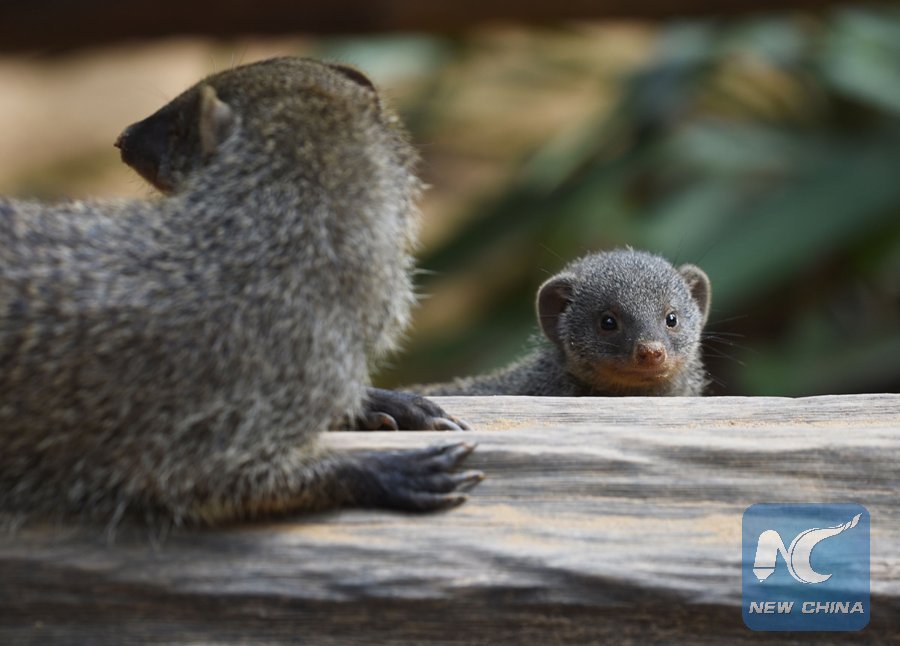
A picture taken on Aug. 17, 2017 shows a banded mongoose cub at the zoological park of the eastern French city of Amneville, eastern France. (Xinhua/AFP)

WASHINGTON, May 24 (Xinhua) -- A study published on Thursday in the journal Current Biology revealed banded mongooses behave differently depending upon what they learned from a role model, rather than their genetic parents.

Researchers from the University of Exeter found the banded mongoose, a mammal commonly found in the central and eastern parts of Africa and living in colonies with a complex social structure, "inherited" their feeding preferences from their escorts and not from their biological parents, based upon what those older individuals teach them early in life.

The researchers identified their feeding habits by chemically analyzing the whiskers of individual mongooses.

"Cultural inheritance, the transmission of socially learned information across generations, is a huge influence on human behavior: we behave the way we do not just because of our genes, but also because of what we learn from parents, teachers, and cultural role models," said Michael Cant from the University of Exeter who led the study.

"It is less well appreciated that cultural inheritance is a major force shaping behavior in a wide range of non-human animals, from insects to apes," said Cant.

Banded mongooses live in highly cooperative groups in which offspring form exclusive one-to-one caring relationships with unrelated adults known as escorts, according to the study.

They also found those learned behaviors could last a lifetime. "It was a big surprise to discover that foraging behavior learned in the first three months of life lasts a lifetime," said Cant.

"We have no evidence that pups and escorts preferentially hang out together after pups become independent," said Cant.

The findings in mongooses helped to understand how genetic and cultural inheritance mechanisms in general combine to shape individual diversity in animal populations.

They also suggest cultural inheritance may play an unexpectedly important role in many animals.

"Cultural inheritance is a potentially pervasive influence on behavior even in the most unlikely animals, and certainly doesn't require a large brain or cognitive complexity," said Cant.

Back to Top Close
Xinhuanet

Mongooses learn from role models instead of parents: study

Source: Xinhua 2018-05-26 04:28:59

A picture taken on Aug. 17, 2017 shows a banded mongoose cub at the zoological park of the eastern French city of Amneville, eastern France. (Xinhua/AFP)

WASHINGTON, May 24 (Xinhua) -- A study published on Thursday in the journal Current Biology revealed banded mongooses behave differently depending upon what they learned from a role model, rather than their genetic parents.

Researchers from the University of Exeter found the banded mongoose, a mammal commonly found in the central and eastern parts of Africa and living in colonies with a complex social structure, "inherited" their feeding preferences from their escorts and not from their biological parents, based upon what those older individuals teach them early in life.

The researchers identified their feeding habits by chemically analyzing the whiskers of individual mongooses.

"Cultural inheritance, the transmission of socially learned information across generations, is a huge influence on human behavior: we behave the way we do not just because of our genes, but also because of what we learn from parents, teachers, and cultural role models," said Michael Cant from the University of Exeter who led the study.

"It is less well appreciated that cultural inheritance is a major force shaping behavior in a wide range of non-human animals, from insects to apes," said Cant.

Banded mongooses live in highly cooperative groups in which offspring form exclusive one-to-one caring relationships with unrelated adults known as escorts, according to the study.

They also found those learned behaviors could last a lifetime. "It was a big surprise to discover that foraging behavior learned in the first three months of life lasts a lifetime," said Cant.

"We have no evidence that pups and escorts preferentially hang out together after pups become independent," said Cant.

The findings in mongooses helped to understand how genetic and cultural inheritance mechanisms in general combine to shape individual diversity in animal populations.

They also suggest cultural inheritance may play an unexpectedly important role in many animals.

"Cultural inheritance is a potentially pervasive influence on behavior even in the most unlikely animals, and certainly doesn't require a large brain or cognitive complexity," said Cant.

010020070750000000000000011100001372069991