中文字幕网伦射乱中文-超清中文乱码字幕在线观看-亚洲v国产v欧美v久久久久久-久久性网-手机在线成人av-成人六区-国产人与zoxxxx另类一一-青青草国产久久精品-蜜桃av久久久一区二区三区麻豆-成人av一区二区免费播放-在线视频麻豆-www爱爱-成人免费看片视频-性欧美老肥妇喷水-五月99久久婷婷国产综合亚洲-亚洲最色-各种含道具高h调教1v1男男-91丨porny丨国产-国产精品无码专区在线观看不卡-大香伊人

 
Trump asks to consider national security investigation into automobile imports
                 Source: Xinhua | 2018-05-24 22:26:48 | Editor: huaxia

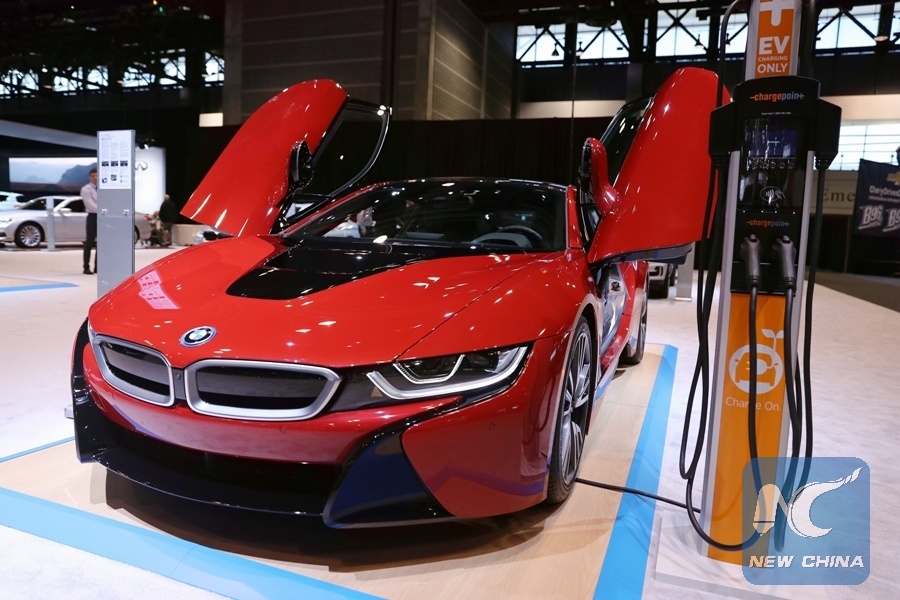
A BMW i8 sports car is on display at the 2017 Chicago Auto Show at McCormick Place in Chicago, Illinois, the United States on Feb. 9, 2017. (Xinhua/Wang Ping)

WASHINGTON, May 23 (Xinhua) -- U.S. President Donald Trump said on Wednesday that he has instructed Secretary of Commerce Wilbur Ross to consider initiating a national security investigation into automobile imports, a protectionist move that's likely to spark widespread opposition from American trading partners.

"Core industries such as automobiles and automotive parts are critical to our strength as a nation," Trump said in a statement released by the White House.

Following a conversation with Trump on Wednesday, Ross has initiated a so-called Section 232 investigation into the national security implications of automobile imports, according to the Commerce Department.

"There is evidence suggesting that, for decades, imports from abroad have eroded our domestic auto industry," Ross said in a statement.

The investigation was based on a rarely-used Section 232 of the Trade Expansion Act from 1962, which would allow the U.S. administration to impose tariffs on the grounds of national security.

It will look into imports of automobiles, including sport-utility vehicles, vans and light trucks, and automotive parts, said the Commerce Department statement.

The Trump administration had used the same domestic law to impose additional tariffs on steel and aluminum imports in March amid mounting dissent from business groups and trading partners around the world.

Following Wednesday's announcements from the Trump administration, many business groups are expressing their opposition to the move.

"To our knowledge, no one is asking for this protection. This path leads inevitably to fewer choices and higher prices for cars and trucks in America," John Bozzella, CEO of Global Automakers, which represents foreign automakers doing business in the United States, said in a statement on Wednesday.

American International Automobile Dealers Association (AIADA) also criticized the move, saying that "it can't be repeated enough: Tariffs are taxes."

"To treat auto imports like a national security threat would be a self-inflicted economic disaster for American consumers, dealers, and dealership employees," said AIADA President and CEO Cody Lusk in a statement.

Some experts noted that this move might be aimed at pressuring Canada and Mexico to make concessions in the ongoing renegotiation of the North American Free Trade Agreement (NAFTA).

Trump said Wednesday afternoon that "your autoworkers and your auto companies in this country are going to be very happy with what's going to happen."

"NAFTA is very difficult. Mexico has been very difficult to deal with. Canada has been very difficult to deal with. They have been taking advantage of the United States for a long time. I am not happy with their requests. But I will tell you, in the end, we win," he added.

Chad Bown, a trade expert at the Peterson Institute for International Economics, said in a tweet that tariffs on imported autos on the basis of national security would prompt retaliation from U.S. trading partners.

U.S. imported 193 billion U.S. dollars of new passenger vehicles in 2017, 24 percent of which were from Mexico, 22 percent from Canada, 22 percent from Europe Union, and 21 percent from Japan, according to the expert.

In regard to U.S. unilateral tariffs on steel and aluminum imports, Japan, EU, and other U.S. trading partners have challenged it at the World Trade Organization (WTO). The United States will also likely face legal challenges at the WTO for its potential tariffs on auto imports, according to trade experts.

Back to Top Close
Xinhuanet

Trump asks to consider national security investigation into automobile imports

Source: Xinhua 2018-05-24 22:26:48

A BMW i8 sports car is on display at the 2017 Chicago Auto Show at McCormick Place in Chicago, Illinois, the United States on Feb. 9, 2017. (Xinhua/Wang Ping)

WASHINGTON, May 23 (Xinhua) -- U.S. President Donald Trump said on Wednesday that he has instructed Secretary of Commerce Wilbur Ross to consider initiating a national security investigation into automobile imports, a protectionist move that's likely to spark widespread opposition from American trading partners.

"Core industries such as automobiles and automotive parts are critical to our strength as a nation," Trump said in a statement released by the White House.

Following a conversation with Trump on Wednesday, Ross has initiated a so-called Section 232 investigation into the national security implications of automobile imports, according to the Commerce Department.

"There is evidence suggesting that, for decades, imports from abroad have eroded our domestic auto industry," Ross said in a statement.

The investigation was based on a rarely-used Section 232 of the Trade Expansion Act from 1962, which would allow the U.S. administration to impose tariffs on the grounds of national security.

It will look into imports of automobiles, including sport-utility vehicles, vans and light trucks, and automotive parts, said the Commerce Department statement.

The Trump administration had used the same domestic law to impose additional tariffs on steel and aluminum imports in March amid mounting dissent from business groups and trading partners around the world.

Following Wednesday's announcements from the Trump administration, many business groups are expressing their opposition to the move.

"To our knowledge, no one is asking for this protection. This path leads inevitably to fewer choices and higher prices for cars and trucks in America," John Bozzella, CEO of Global Automakers, which represents foreign automakers doing business in the United States, said in a statement on Wednesday.

American International Automobile Dealers Association (AIADA) also criticized the move, saying that "it can't be repeated enough: Tariffs are taxes."

"To treat auto imports like a national security threat would be a self-inflicted economic disaster for American consumers, dealers, and dealership employees," said AIADA President and CEO Cody Lusk in a statement.

Some experts noted that this move might be aimed at pressuring Canada and Mexico to make concessions in the ongoing renegotiation of the North American Free Trade Agreement (NAFTA).

Trump said Wednesday afternoon that "your autoworkers and your auto companies in this country are going to be very happy with what's going to happen."

"NAFTA is very difficult. Mexico has been very difficult to deal with. Canada has been very difficult to deal with. They have been taking advantage of the United States for a long time. I am not happy with their requests. But I will tell you, in the end, we win," he added.

Chad Bown, a trade expert at the Peterson Institute for International Economics, said in a tweet that tariffs on imported autos on the basis of national security would prompt retaliation from U.S. trading partners.

U.S. imported 193 billion U.S. dollars of new passenger vehicles in 2017, 24 percent of which were from Mexico, 22 percent from Canada, 22 percent from Europe Union, and 21 percent from Japan, according to the expert.

In regard to U.S. unilateral tariffs on steel and aluminum imports, Japan, EU, and other U.S. trading partners have challenged it at the World Trade Organization (WTO). The United States will also likely face legal challenges at the WTO for its potential tariffs on auto imports, according to trade experts.

010020070750000000000000011100001372041171