中文字幕网伦射乱中文-超清中文乱码字幕在线观看-亚洲v国产v欧美v久久久久久-久久性网-手机在线成人av-成人六区-国产人与zoxxxx另类一一-青青草国产久久精品-蜜桃av久久久一区二区三区麻豆-成人av一区二区免费播放-在线视频麻豆-www爱爱-成人免费看片视频-性欧美老肥妇喷水-五月99久久婷婷国产综合亚洲-亚洲最色-各种含道具高h调教1v1男男-91丨porny丨国产-国产精品无码专区在线观看不卡-大香伊人

 
Ghana set to pilot new malaria vaccine
                 Source: Xinhua | 2018-04-26 15:09:08 | Editor: huaxia

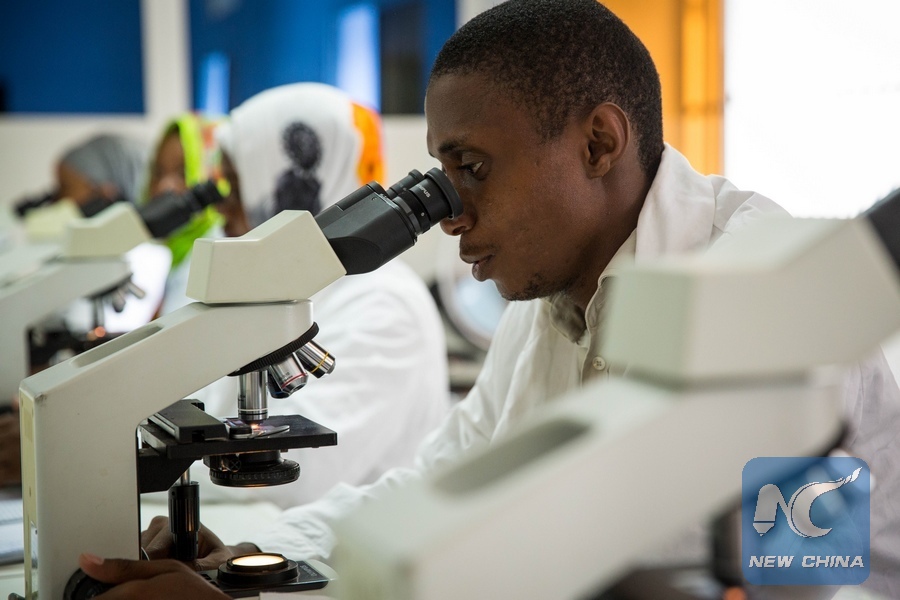
A technician looks for malaria parasites in a lab inside Comoros' anti-malaria center, April 17, 2018. Malaria kills about half a million people every year in the world, with Africa claiming some 90 percent of the casualties. (Xinhua/Lyu Shuai)

by Alex Osei-Boateng

ACCRA, April 26 (Xinhua) -- Ghana is readying itself for the smooth pilot of the world's first malaria vaccine later in the year, officials said here on Wednesday.

Ghana, Kenya and Malawi will be the first African countries to try out the MosquirixTM vaccine, which acts against Plasmodium falciparum, the most deadly malaria parasite globally, and the most prevalent in Africa.

Specifically, the pilot implementation program will evaluate the feasibility of delivering the required four doses of the vaccine, impact of the vaccine on lives saved, and the safety of the vaccine in the context of routine use.

The vaccine is being considered as a complementary malaria control tool in Ghana that could potentially be added to and not replace malaria preventive, diagnostic and treatment interventions such as bed nets and insecticide spraying.

Kezia Malm, Manager of the National Malaria Control Program (NMCP), said Ghana was selected for the trial because of its high malaria burden and well-functioning malaria and immunization programs.

Malaria more children than any other diseases and is the leading cause of miscarriage and stillbirths in pregnant women in Ghana.

In Ghana, malaria occurs every year with varying transmission intensity throughout the year, affecting all ages, with children under-five and pregnant women being the most vulnerable.

In 2017, Ghana recorded approximately 10.2 million suspected malaria cases in the out-patient department (OPD) in a population of some 30 million people, representing a 23-percent decrease over OPD malaria cases reported in 2016.

Malaria deaths also dropped from 1,264 in 2016 to 599 in 2017, representing a decrease of 52.6 percent.

"Although the figure from 2016 represents an improvement over that of 2015, we recognize that a lot of work has to be done in reducing prevalence of malaria to the barest minimum," Ghanaian President Nana Akufo-Addo said at a Malaria Summit in London recently.

Badu Sarkodie, Director of Public Health at the Ghana Health Service, has called for the support of the citizenry in the fight against malaria, as Ghana joined the rest of the world to observe World Malaria Day (WMD).

He said Ghana had the potential to eliminate malaria, and called for the maximum support and collaboration of stakeholders and individuals to reach that goal.

"The idea is not just to put malaria down but to end it forever," he said at an outreach service to mark the WMD at Ashaiman, a cosmopolitan community near the port city of Tema, 38 km east of the national capital.

The WMD is an occasion to highlight the need for continued investment and sustained political commitment to malaria prevention and control.

Ghana has set the target to reduce malaria morbidity and mortality by 75 percent by the year 2020.

Ghana's goal, through the national strategic plan for malaria control, is to achieve and sustain near-zero malaria deaths and ultimately a malaria-free nation.

Key interventions of this plan include integrated vector management; malaria case management, seasonal malaria chemoprevention; integrated support systems; surveillance; and the strengthening of health systems.

Malm said if stakeholders lost focus, Ghana risked losing giant strides made in the fight against malaria over the past decades, calling on all to put in more efforts to beat malaria.

Back to Top Close
Xinhuanet

Ghana set to pilot new malaria vaccine

Source: Xinhua 2018-04-26 15:09:08

A technician looks for malaria parasites in a lab inside Comoros' anti-malaria center, April 17, 2018. Malaria kills about half a million people every year in the world, with Africa claiming some 90 percent of the casualties. (Xinhua/Lyu Shuai)

by Alex Osei-Boateng

ACCRA, April 26 (Xinhua) -- Ghana is readying itself for the smooth pilot of the world's first malaria vaccine later in the year, officials said here on Wednesday.

Ghana, Kenya and Malawi will be the first African countries to try out the MosquirixTM vaccine, which acts against Plasmodium falciparum, the most deadly malaria parasite globally, and the most prevalent in Africa.

Specifically, the pilot implementation program will evaluate the feasibility of delivering the required four doses of the vaccine, impact of the vaccine on lives saved, and the safety of the vaccine in the context of routine use.

The vaccine is being considered as a complementary malaria control tool in Ghana that could potentially be added to and not replace malaria preventive, diagnostic and treatment interventions such as bed nets and insecticide spraying.

Kezia Malm, Manager of the National Malaria Control Program (NMCP), said Ghana was selected for the trial because of its high malaria burden and well-functioning malaria and immunization programs.

Malaria more children than any other diseases and is the leading cause of miscarriage and stillbirths in pregnant women in Ghana.

In Ghana, malaria occurs every year with varying transmission intensity throughout the year, affecting all ages, with children under-five and pregnant women being the most vulnerable.

In 2017, Ghana recorded approximately 10.2 million suspected malaria cases in the out-patient department (OPD) in a population of some 30 million people, representing a 23-percent decrease over OPD malaria cases reported in 2016.

Malaria deaths also dropped from 1,264 in 2016 to 599 in 2017, representing a decrease of 52.6 percent.

"Although the figure from 2016 represents an improvement over that of 2015, we recognize that a lot of work has to be done in reducing prevalence of malaria to the barest minimum," Ghanaian President Nana Akufo-Addo said at a Malaria Summit in London recently.

Badu Sarkodie, Director of Public Health at the Ghana Health Service, has called for the support of the citizenry in the fight against malaria, as Ghana joined the rest of the world to observe World Malaria Day (WMD).

He said Ghana had the potential to eliminate malaria, and called for the maximum support and collaboration of stakeholders and individuals to reach that goal.

"The idea is not just to put malaria down but to end it forever," he said at an outreach service to mark the WMD at Ashaiman, a cosmopolitan community near the port city of Tema, 38 km east of the national capital.

The WMD is an occasion to highlight the need for continued investment and sustained political commitment to malaria prevention and control.

Ghana has set the target to reduce malaria morbidity and mortality by 75 percent by the year 2020.

Ghana's goal, through the national strategic plan for malaria control, is to achieve and sustain near-zero malaria deaths and ultimately a malaria-free nation.

Key interventions of this plan include integrated vector management; malaria case management, seasonal malaria chemoprevention; integrated support systems; surveillance; and the strengthening of health systems.

Malm said if stakeholders lost focus, Ghana risked losing giant strides made in the fight against malaria over the past decades, calling on all to put in more efforts to beat malaria.

010020070750000000000000011103261371387911