




"/>

中文字幕网伦射乱中文-超清中文乱码字幕在线观看-亚洲v国产v欧美v久久久久久-久久性网-手机在线成人av-成人六区-国产人与zoxxxx另类一一-青青草国产久久精品-蜜桃av久久久一区二区三区麻豆-成人av一区二区免费播放-在线视频麻豆-www爱爱-成人免费看片视频-性欧美老肥妇喷水-五月99久久婷婷国产综合亚洲-亚洲最色-各种含道具高h调教1v1男男-91丨porny丨国产-国产精品无码专区在线观看不卡-大香伊人

News Analysis: Iran questions remain unresolved after Trump-Macron meetings

Source: Xinhua    2018-04-26 05:47:02

By Matthew Rusling

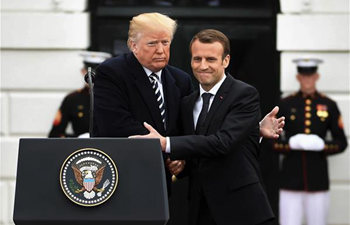
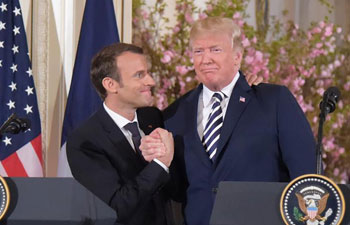
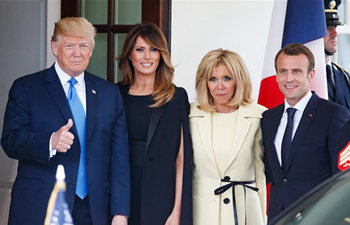
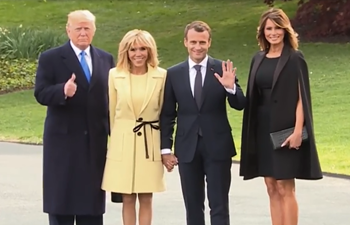
WASHINGTON, April 25 (Xinhua) -- Questions remain unresolved over the Iran nuclear deal, even after U.S. President Donald Trump wraps up an official visit from his French counterpart.

"The major unresolved issue is the Iran nuclear agreement. All of the European countries want the U.S. to uphold that agreement. Trump has major reservations about it, but seems to have a better understanding of the risks if he nullifies that agreement," Brookings Institution Senior Fellow Darrell West told Xinhua.

Christopher Galdieri, assistant professor at Saint Anselm College, also noted the Iran deal is a key challenge.

"For me, the biggest question is whether the existing Iran deal can be preserved. Trump's tone on it changed dramatically over the course of the visit, but with Trump there's always a chance -- a likelihood, even -- that what he says one day won't stick," he told Xinhua.

From the start of the Iran nukes agreement, Trump has continuously called it a "bad deal," but experts said that outside of the Iran issue, Trump's chemistry with French President Emmanuel Macron went well.

"The meetings seem to be going well. Macron is the Western leader best able to connect with Trump and get him to shift his views," West said.

"He has encouraged America to stay engaged in Syria and Trump appears to be open to that. It remains to be seen what concrete progress will come out of the conversations because it is hard to pin Trump down on specifics," West said.

Galdieri said: "I think the apparent development of a working relationship between the two, whether out of genuine affinity or necessity, is the big takeaway. The fact that Macron is floating a new Iran deal that would run alongside the existing one strikes me as particularly noteworthy."

For it's part, Iran this week blasted Trump.

A senior Iranian security official said on Tuesday that his country would consider withdrawing from the nuclear Non-Proliferation Treaty (NPT) if the U.S. scraps the 2015 nuclear deal, Tehran Times daily reported.

"According to the NPT, the (contracting) countries can easily withdraw from the treaty if they realize that it does not benefit them and this is a possible option for the Islamic Republic of Iran," said Ali Shamkhani, secretary of Iran's Supreme National Security Council.

Iran has not benefited from the fruits of the nuclear deal, officially known as the Joint Comprehensive Plan of Action (JCPOA), which went into effect in January 2016, Shamkhani said.

"The other side (the United States) has been creating obstructions since the day of implementation of the agreement," the Iranian official added.

He also highlighted Iran's capability of "resuming nuclear activities," saying his country will take "surprising actions" if the nuclear deal is sabotaged.

U.S. President Donald Trump is expected to decide by May 12 whether to pull the U.S. out of the nuclear deal reached between Iran and six major world powers in 2015.

Trump, however, has said he would not extend the waiver suspending the U.S. sanctions on Iran.

The U.S. president has repeatedly criticized the landmark nuclear pact in which the West promised to relieve sanctions on Tehran in exchange for a halt in Iran's efforts to develop a nuclear weapon.

Editor: yan
Related News
Xinhuanet

News Analysis: Iran questions remain unresolved after Trump-Macron meetings

Source: Xinhua 2018-04-26 05:47:02

By Matthew Rusling

WASHINGTON, April 25 (Xinhua) -- Questions remain unresolved over the Iran nuclear deal, even after U.S. President Donald Trump wraps up an official visit from his French counterpart.

"The major unresolved issue is the Iran nuclear agreement. All of the European countries want the U.S. to uphold that agreement. Trump has major reservations about it, but seems to have a better understanding of the risks if he nullifies that agreement," Brookings Institution Senior Fellow Darrell West told Xinhua.

Christopher Galdieri, assistant professor at Saint Anselm College, also noted the Iran deal is a key challenge.

"For me, the biggest question is whether the existing Iran deal can be preserved. Trump's tone on it changed dramatically over the course of the visit, but with Trump there's always a chance -- a likelihood, even -- that what he says one day won't stick," he told Xinhua.

From the start of the Iran nukes agreement, Trump has continuously called it a "bad deal," but experts said that outside of the Iran issue, Trump's chemistry with French President Emmanuel Macron went well.

"The meetings seem to be going well. Macron is the Western leader best able to connect with Trump and get him to shift his views," West said.

"He has encouraged America to stay engaged in Syria and Trump appears to be open to that. It remains to be seen what concrete progress will come out of the conversations because it is hard to pin Trump down on specifics," West said.

Galdieri said: "I think the apparent development of a working relationship between the two, whether out of genuine affinity or necessity, is the big takeaway. The fact that Macron is floating a new Iran deal that would run alongside the existing one strikes me as particularly noteworthy."

For it's part, Iran this week blasted Trump.

A senior Iranian security official said on Tuesday that his country would consider withdrawing from the nuclear Non-Proliferation Treaty (NPT) if the U.S. scraps the 2015 nuclear deal, Tehran Times daily reported.

"According to the NPT, the (contracting) countries can easily withdraw from the treaty if they realize that it does not benefit them and this is a possible option for the Islamic Republic of Iran," said Ali Shamkhani, secretary of Iran's Supreme National Security Council.

Iran has not benefited from the fruits of the nuclear deal, officially known as the Joint Comprehensive Plan of Action (JCPOA), which went into effect in January 2016, Shamkhani said.

"The other side (the United States) has been creating obstructions since the day of implementation of the agreement," the Iranian official added.

He also highlighted Iran's capability of "resuming nuclear activities," saying his country will take "surprising actions" if the nuclear deal is sabotaged.

U.S. President Donald Trump is expected to decide by May 12 whether to pull the U.S. out of the nuclear deal reached between Iran and six major world powers in 2015.

Trump, however, has said he would not extend the waiver suspending the U.S. sanctions on Iran.

The U.S. president has repeatedly criticized the landmark nuclear pact in which the West promised to relieve sanctions on Tehran in exchange for a halt in Iran's efforts to develop a nuclear weapon.

[Editor: huaxia]
010020070750000000000000011105521371370311