








"/>

中文字幕网伦射乱中文-超清中文乱码字幕在线观看-亚洲v国产v欧美v久久久久久-久久性网-手机在线成人av-成人六区-国产人与zoxxxx另类一一-青青草国产久久精品-蜜桃av久久久一区二区三区麻豆-成人av一区二区免费播放-在线视频麻豆-www爱爱-成人免费看片视频-性欧美老肥妇喷水-五月99久久婷婷国产综合亚洲-亚洲最色-各种含道具高h调教1v1男男-91丨porny丨国产-国产精品无码专区在线观看不卡-大香伊人

Feature: Cuba's living symbol of Bay of Pigs victory

Source: Xinhua    2018-04-23 13:05:26

by Raul Menchaca

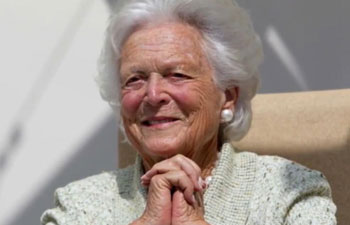
MATANZAS, Cuba, April 22 (Xinhua) -- Nemesia Rodriguez is one of the most famous women in Cuba. Children learn about her in history classes and adults view her with veneration and respect.

She is a living symbol of the victory of Cuban militia over the group of exiles organized and armed by the United States, which invaded the island nation at the Bay of Pigs on April 17, 1961.

The 71-year-old woman was born and still lives in the small town of Soplillar, which is about 40 km north from the beach of Giron on the east side of the Bay of Pigs.

That area includes the Zapata Swamp, the largest wetland in the Caribbean, and was the site approved for the invasion by then-U.S. President Dwight Eisenhower, a plan later taken over by his successor John F. Kennedy.

Zapata was one of the poorest areas of Cuba, with a population surviving on the production of charcoal.

A small museum which is only 1 km from Nemesia's house shows the difficult life people lived in the wetlands before 1959, when they had almost no access to education or healthcare.

The poor living conditions only changed after the triumph of the revolution led by late President Fidel Castro, Nemesia told Xinhua in her modest home, plastered with photos of Fidel and his brother Raul Castro.

"Everything good that you see in Zapata was done by the revolution," she said, "including roads and houses for the peasants, something we never dreamed of."

On April 17, 1961, Nemesia was taken by her mother to buy a new pair of shoes in the municipal capital Jaguey Grande, while the mercenary force was being prepared to attack Playa Giron.

"The invaders attacked the truck we were driving, and killed my mother, left my grandmother paralyzed, and injured my brothers," she said, recalling her memory without hiding her pain.

The survivors of the family were rescued and her shoes pierced by bullets and stained with blood were found remaining in the truck by a Cuban journalist and poet Jesus Orta Ruiz after the invaders was repelled.

The poet wrote a heartfelt poem entitled "Elegy of the white little shoes" about Nemesia's story. The poem is still considered by many as the highest and most humane account of the events of the Bay of Pigs, and Nemesia's suffering became a symbol of the victory over the invaders.

The white shoes, still bloodied, are exhibited at the Playa Giron Museum as a reminder of the bloody battles waged in the area.

"I feel that by telling my story I can help the young and let the world know what happened to us," said Nemesia with humility after confessing that she does not consider herself as a symbol.

In the last two congresses of the ruling Communist Party of Cuba, Nemesia was a member of the legislative body, making a vibrant and emotional speech to call on Cubans to remember the work of the Revolution.

Nemesia, whose life sums up the resistance of Cubans over the last half-century, has become a living symbol.

Editor: Liangyu
Related News
Xinhuanet

Feature: Cuba's living symbol of Bay of Pigs victory

Source: Xinhua 2018-04-23 13:05:26

by Raul Menchaca

MATANZAS, Cuba, April 22 (Xinhua) -- Nemesia Rodriguez is one of the most famous women in Cuba. Children learn about her in history classes and adults view her with veneration and respect.

She is a living symbol of the victory of Cuban militia over the group of exiles organized and armed by the United States, which invaded the island nation at the Bay of Pigs on April 17, 1961.

The 71-year-old woman was born and still lives in the small town of Soplillar, which is about 40 km north from the beach of Giron on the east side of the Bay of Pigs.

That area includes the Zapata Swamp, the largest wetland in the Caribbean, and was the site approved for the invasion by then-U.S. President Dwight Eisenhower, a plan later taken over by his successor John F. Kennedy.

Zapata was one of the poorest areas of Cuba, with a population surviving on the production of charcoal.

A small museum which is only 1 km from Nemesia's house shows the difficult life people lived in the wetlands before 1959, when they had almost no access to education or healthcare.

The poor living conditions only changed after the triumph of the revolution led by late President Fidel Castro, Nemesia told Xinhua in her modest home, plastered with photos of Fidel and his brother Raul Castro.

"Everything good that you see in Zapata was done by the revolution," she said, "including roads and houses for the peasants, something we never dreamed of."

On April 17, 1961, Nemesia was taken by her mother to buy a new pair of shoes in the municipal capital Jaguey Grande, while the mercenary force was being prepared to attack Playa Giron.

"The invaders attacked the truck we were driving, and killed my mother, left my grandmother paralyzed, and injured my brothers," she said, recalling her memory without hiding her pain.

The survivors of the family were rescued and her shoes pierced by bullets and stained with blood were found remaining in the truck by a Cuban journalist and poet Jesus Orta Ruiz after the invaders was repelled.

The poet wrote a heartfelt poem entitled "Elegy of the white little shoes" about Nemesia's story. The poem is still considered by many as the highest and most humane account of the events of the Bay of Pigs, and Nemesia's suffering became a symbol of the victory over the invaders.

The white shoes, still bloodied, are exhibited at the Playa Giron Museum as a reminder of the bloody battles waged in the area.

"I feel that by telling my story I can help the young and let the world know what happened to us," said Nemesia with humility after confessing that she does not consider herself as a symbol.

In the last two congresses of the ruling Communist Party of Cuba, Nemesia was a member of the legislative body, making a vibrant and emotional speech to call on Cubans to remember the work of the Revolution.

Nemesia, whose life sums up the resistance of Cubans over the last half-century, has become a living symbol.

[Editor: huaxia]
010020070750000000000000011100001371306131