中文字幕网伦射乱中文-超清中文乱码字幕在线观看-亚洲v国产v欧美v久久久久久-久久性网-手机在线成人av-成人六区-国产人与zoxxxx另类一一-青青草国产久久精品-蜜桃av久久久一区二区三区麻豆-成人av一区二区免费播放-在线视频麻豆-www爱爱-成人免费看片视频-性欧美老肥妇喷水-五月99久久婷婷国产综合亚洲-亚洲最色-各种含道具高h调教1v1男男-91丨porny丨国产-国产精品无码专区在线观看不卡-大香伊人

 
Trade war with China senseless move on U.S. part: business expert
                 Source: Xinhua | 2018-04-19 23:06:00 | Editor: huaxia

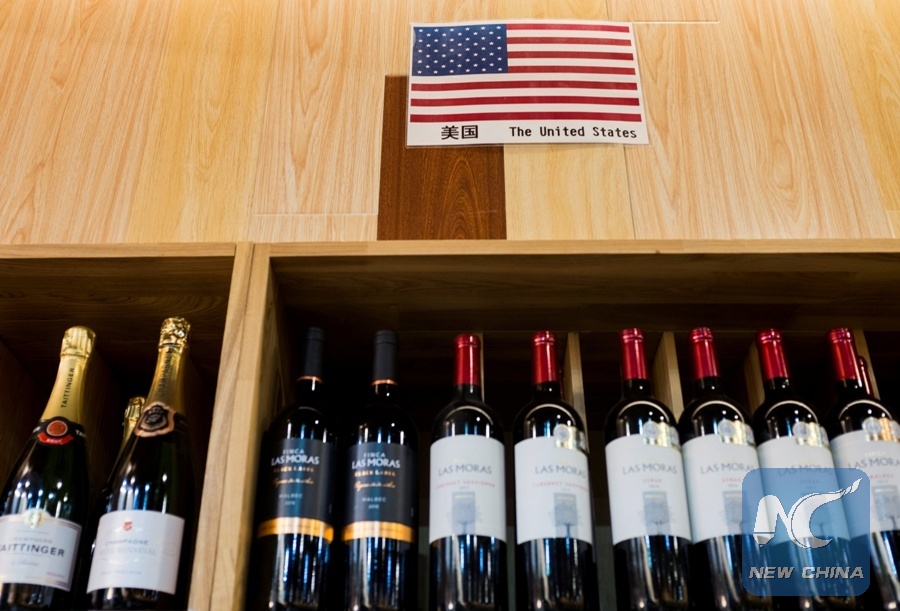
The U.S. flag is seen in the wine section of a supermarket in Beijing, China, April 5, 2018. (Xinhua/REUTERS)

SAN FRANCISCO, April 18 (Xinhua) -- A U.S. trade war with China would create an uneven playing field, go against America's own interests, and would be "a move that makes no sense" for U.S. President Donald Trump, a U.S. business expert said Wednesday.

"As the United States and China approach the brink of a trade war, it would be wise to cast aside the inflammatory rhetoric to weigh the cost and benefit of such a war to the American people," George Koo, a member of the Committee of 100 (C100), a leadership organization of Chinese Americans in business and government, wrote in a signed article that appeared in the local San Francisco Chronicle Wednesday.

A general tariff on goods from China would force the Chinese sellers to either raise the prices or take the products elsewhere, Koo said, adding that in either case, the cost for American households would go up.

President Trump announced earlier this month that his administration would impose steep tariffs on Chinese imports worth 50 billion U.S. dollars for what he alleged "unfair trade practice leading to a huge trade surplus."

China responded with a 25-percent increase in tariffs on the United States' biggest exports to China, including soybeans and certain types of aircraft, which are estimated at 50 billion dollars.

Koo said China's export of household items and consumer goods "represents good deals that the American public would be foolish to turn down."

If the trade frictions escalate, the Chinese consumer has choices and does not have to buy American products, he said.

Koo cited California red wine as an example. He said it took California 15 years to develop a customer base in China for the state's wine.

"If that export were penalized by China's reciprocating tariff, the market California has worked hard to create would benefit winemakers in Australia, Chile and South Africa, all eager to fill the void," he said.

Back to Top Close
Xinhuanet

Trade war with China senseless move on U.S. part: business expert

Source: Xinhua 2018-04-19 23:06:00

The U.S. flag is seen in the wine section of a supermarket in Beijing, China, April 5, 2018. (Xinhua/REUTERS)

SAN FRANCISCO, April 18 (Xinhua) -- A U.S. trade war with China would create an uneven playing field, go against America's own interests, and would be "a move that makes no sense" for U.S. President Donald Trump, a U.S. business expert said Wednesday.

"As the United States and China approach the brink of a trade war, it would be wise to cast aside the inflammatory rhetoric to weigh the cost and benefit of such a war to the American people," George Koo, a member of the Committee of 100 (C100), a leadership organization of Chinese Americans in business and government, wrote in a signed article that appeared in the local San Francisco Chronicle Wednesday.

A general tariff on goods from China would force the Chinese sellers to either raise the prices or take the products elsewhere, Koo said, adding that in either case, the cost for American households would go up.

President Trump announced earlier this month that his administration would impose steep tariffs on Chinese imports worth 50 billion U.S. dollars for what he alleged "unfair trade practice leading to a huge trade surplus."

China responded with a 25-percent increase in tariffs on the United States' biggest exports to China, including soybeans and certain types of aircraft, which are estimated at 50 billion dollars.

Koo said China's export of household items and consumer goods "represents good deals that the American public would be foolish to turn down."

If the trade frictions escalate, the Chinese consumer has choices and does not have to buy American products, he said.

Koo cited California red wine as an example. He said it took California 15 years to develop a customer base in China for the state's wine.

"If that export were penalized by China's reciprocating tariff, the market California has worked hard to create would benefit winemakers in Australia, Chile and South Africa, all eager to fill the void," he said.

010020070750000000000000011105091371233321