中文字幕网伦射乱中文-超清中文乱码字幕在线观看-亚洲v国产v欧美v久久久久久-久久性网-手机在线成人av-成人六区-国产人与zoxxxx另类一一-青青草国产久久精品-蜜桃av久久久一区二区三区麻豆-成人av一区二区免费播放-在线视频麻豆-www爱爱-成人免费看片视频-性欧美老肥妇喷水-五月99久久婷婷国产综合亚洲-亚洲最色-各种含道具高h调教1v1男男-91丨porny丨国产-国产精品无码专区在线观看不卡-大香伊人

 
Chinese scientists analyze human brain's "CPU"
                 Source: Xinhua | 2018-03-21 15:40:22 | Editor: huaxia

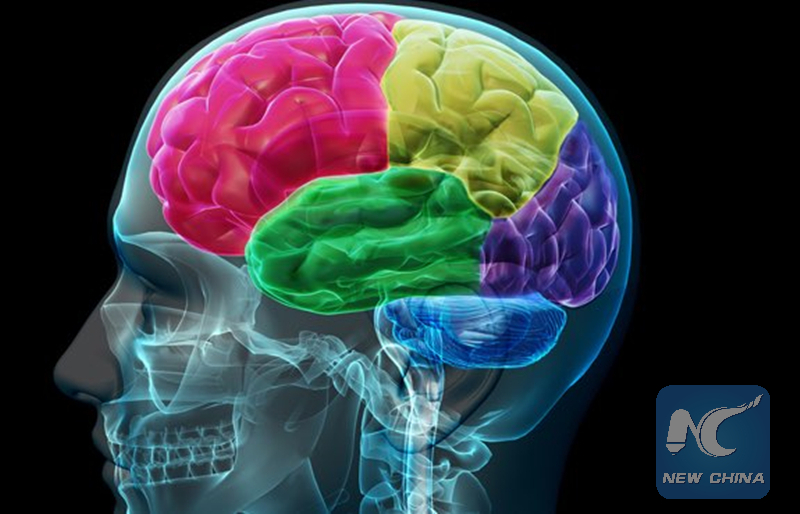
Graphic depicting sections of human brain (Xinhua photo)

BEIJING, March 21 (Xinhua) -- Chinese scientists have analyzed the developmental landscape of the human prefrontal cortex (PFC), considered the CPU of the human brain, to get a better understanding of the organ.

Scientists from the Institute of Biophysics of the Chinese Academy of Sciences (CAS), Peking University as well as Capital University of Medical Sciences applied single-cell transcriptional profiling to identify cell types in the developing human PFC and their developmental features. Their research was published online in the journal Nature on March 14.

The PFC is one of the most important brain regions. It contains billions of cells and serves as the center of advanced intellectual activity, such as memory, cognitive ability, decision making and social behavior.

According to Professor Wang Xiaoqun from CAS, there is a need for detailed knowledge of the development of the PFC, since disturbances or failures of PFC development may contribute to several cognitive deficits seen in patients with neurodevelopmental disorders, such as intellectual disabilities, autism spectrum disorders and schizophrenia.

"Although we have known that the brain has a variety of functions, we have little knowledge about the different cell types and the cell composition, which makes it hard for us to understand how the brain develops advanced cognitive function," Wang said.
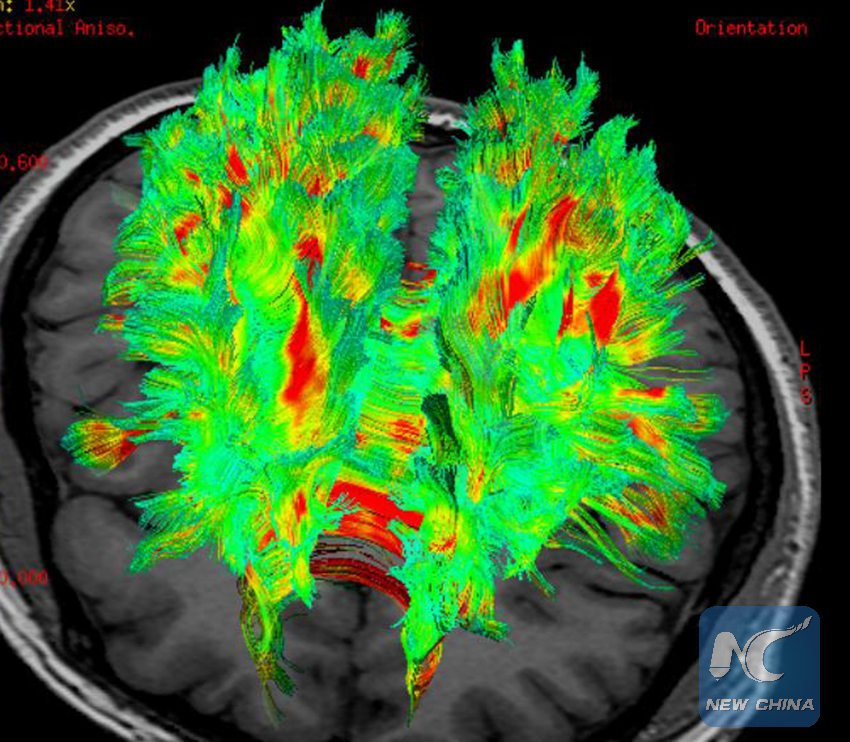
Photo provided by Xinqiao Hospital of Third Military Medical University in southwest China's Chongqing on Aug. 5, 2015 shows a 3D image of white matter of brain by 3.0 tesla (3.0T) MRI.

In order to systematically analyze the cellular basis and molecular regulation of the PFC, scientists traced the molecular features of cells in the PFC during human brain development at gestational weeks 8 to 26.

They analyzed more than 2,300 single cells and identified 35 subtypes of cells in six main classes. They also traced their development process.

The research will provide a powerful tool for investigating the mechanisms behind neurological diseases related to abnormal structure or dysfunction of the PFC and for exploring potential therapies.

According to Wang, the ongoing cell-census projects of "The BRAIN Initiative" in the United States mainly focus on the rodent brain atlas.

"We focus more on identifying and characterizing neuronal and non-neuronal cells in the human brain, which will directly help understand the molecular and cellular mechanism of human brain disorders," Wang said.
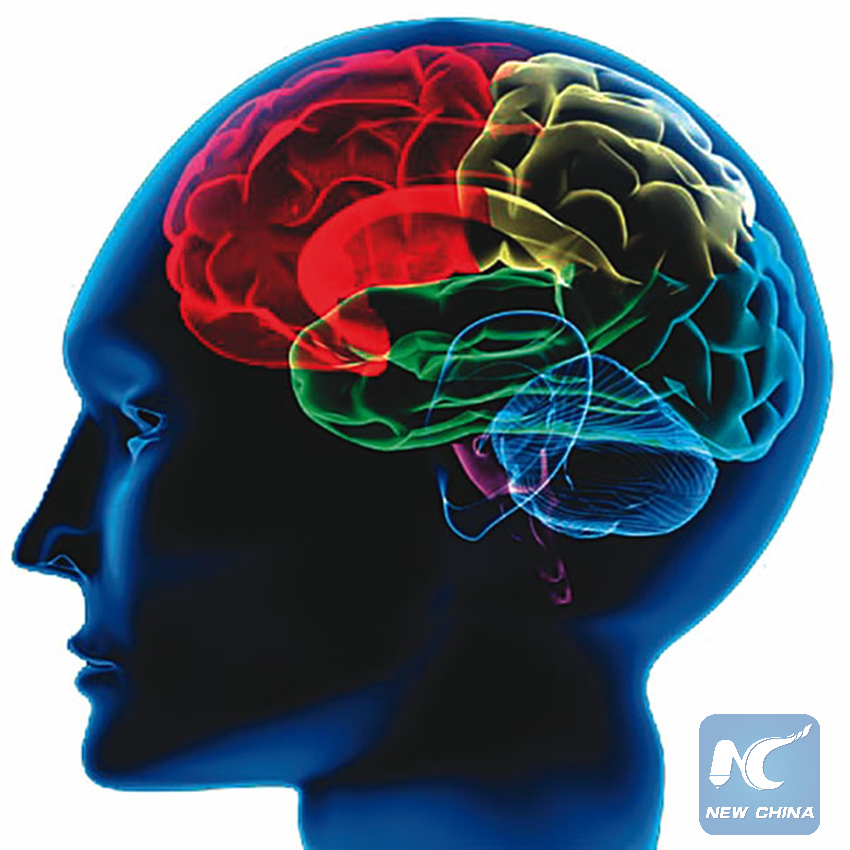
Graphic depicting sections of human brain (Xinhua photo)

China has seen intensified research in brain science to advance basic understanding of the brain as well as to find treatments for brain-related disease.

Wang hopes that the Chinese government will attach more importance to research on brain science and offer more support. He also said that interdisciplinary research and teamwork among people from different disciplines are vital in advancing brain science study.

"In the research, another team member, Tang Fuchou from Peking University, is an expert on single-cell sequencing in stem cell biology, and we have complementary advantages, which makes research go more smoothly," Wang said.

"Research on the human brain atlas needs interdisciplinary collaboration from different areas such as cell biology, neuroscience and computer science. We hope to see more labs focusing on the interdisciplinary study of brain science," Wang added.

Currently, Wang and his team are working on the non-neuronal cells in the human brain, which make up about half the total volume of the brain and spinal cord.

"We hope to figure out how those cells work together with neuronal cells and further explore the mystery of the human brain," Wang said.

Back to Top Close
Xinhuanet

Chinese scientists analyze human brain's "CPU"

Source: Xinhua 2018-03-21 15:40:22

Graphic depicting sections of human brain (Xinhua photo)

BEIJING, March 21 (Xinhua) -- Chinese scientists have analyzed the developmental landscape of the human prefrontal cortex (PFC), considered the CPU of the human brain, to get a better understanding of the organ.

Scientists from the Institute of Biophysics of the Chinese Academy of Sciences (CAS), Peking University as well as Capital University of Medical Sciences applied single-cell transcriptional profiling to identify cell types in the developing human PFC and their developmental features. Their research was published online in the journal Nature on March 14.

The PFC is one of the most important brain regions. It contains billions of cells and serves as the center of advanced intellectual activity, such as memory, cognitive ability, decision making and social behavior.

According to Professor Wang Xiaoqun from CAS, there is a need for detailed knowledge of the development of the PFC, since disturbances or failures of PFC development may contribute to several cognitive deficits seen in patients with neurodevelopmental disorders, such as intellectual disabilities, autism spectrum disorders and schizophrenia.

"Although we have known that the brain has a variety of functions, we have little knowledge about the different cell types and the cell composition, which makes it hard for us to understand how the brain develops advanced cognitive function," Wang said.

Photo provided by Xinqiao Hospital of Third Military Medical University in southwest China's Chongqing on Aug. 5, 2015 shows a 3D image of white matter of brain by 3.0 tesla (3.0T) MRI.

In order to systematically analyze the cellular basis and molecular regulation of the PFC, scientists traced the molecular features of cells in the PFC during human brain development at gestational weeks 8 to 26.

They analyzed more than 2,300 single cells and identified 35 subtypes of cells in six main classes. They also traced their development process.

The research will provide a powerful tool for investigating the mechanisms behind neurological diseases related to abnormal structure or dysfunction of the PFC and for exploring potential therapies.

According to Wang, the ongoing cell-census projects of "The BRAIN Initiative" in the United States mainly focus on the rodent brain atlas.

"We focus more on identifying and characterizing neuronal and non-neuronal cells in the human brain, which will directly help understand the molecular and cellular mechanism of human brain disorders," Wang said.

Graphic depicting sections of human brain (Xinhua photo)

China has seen intensified research in brain science to advance basic understanding of the brain as well as to find treatments for brain-related disease.

Wang hopes that the Chinese government will attach more importance to research on brain science and offer more support. He also said that interdisciplinary research and teamwork among people from different disciplines are vital in advancing brain science study.

"In the research, another team member, Tang Fuchou from Peking University, is an expert on single-cell sequencing in stem cell biology, and we have complementary advantages, which makes research go more smoothly," Wang said.

"Research on the human brain atlas needs interdisciplinary collaboration from different areas such as cell biology, neuroscience and computer science. We hope to see more labs focusing on the interdisciplinary study of brain science," Wang added.

Currently, Wang and his team are working on the non-neuronal cells in the human brain, which make up about half the total volume of the brain and spinal cord.

"We hope to figure out how those cells work together with neuronal cells and further explore the mystery of the human brain," Wang said.

010020070750000000000000011100001370547241