中文字幕网伦射乱中文-超清中文乱码字幕在线观看-亚洲v国产v欧美v久久久久久-久久性网-手机在线成人av-成人六区-国产人与zoxxxx另类一一-青青草国产久久精品-蜜桃av久久久一区二区三区麻豆-成人av一区二区免费播放-在线视频麻豆-www爱爱-成人免费看片视频-性欧美老肥妇喷水-五月99久久婷婷国产综合亚洲-亚洲最色-各种含道具高h调教1v1男男-91丨porny丨国产-国产精品无码专区在线观看不卡-大香伊人

 
Africa faces severe learning crisis: World Bank
                 Source: Xinhua | 2018-03-06 18:44:52 | Editor: huaxia

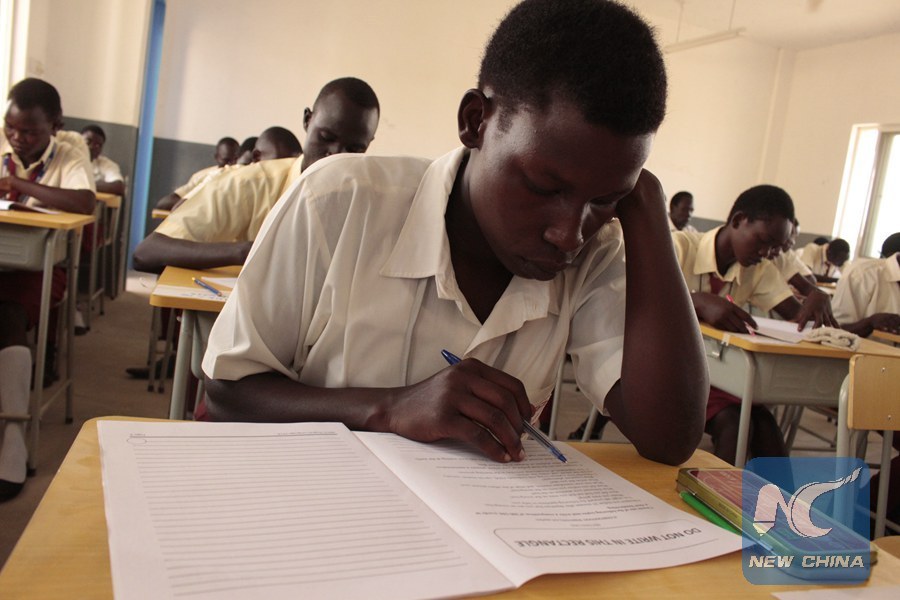
Local students sit for the university entry examinations at the China-aided Jubek Model Secondary School in Juba, capital of South Sudan, Feb. 12, 2018. (Xinhua/Gale Julius)

DAR ES SALAAM, March 6 (Xinhua) -- Africa is facing a severe learning crisis that thwarts its economic growth and the well-being of the citizens, said a new World Bank study released in Tanzania on Monday.

The study, released in Tanzania's commercial capital, Dar es Salaam, said learning levels across the region are alarmingly low.

"The region has made considerable progress in boosting primary and lower secondary school enrollment, but some 50 million children remain out of school, and most of those who attend school are not acquiring the basic skills necessary for success later in life," said the study.

It said among second-grade students assessed on numeracy tests in several sub-Saharan African countries, three-quarters could not count beyond 80 and 40 percent could not do a one-digit addition problem.

"In reading, between 50 and 80 percent of children in second grade could not answer a single question based on a short passage they had read, and a large proportion could not read even a single word," said the study.

"Providing a high-quality basic education for children across the region is an economic necessity, as well as a moral imperative," said the World Bank's Senior Director for Education Jaime Saavedra.

"This report provides a sobering look at Africa's learning crisis and the region's potential to solve it," Saavedra said. "Young Africans can transform the region and create lasting economic change, but they need to be equipped with the skills and human capital to do so."

Specifically, the report urges countries to focus on student progression and the "traffic jam" in early grades, where children are stuck for many years with little learning, and are often taught in a language they don't fully understand.

According to the study, African governments spent an estimated 204 U.S. dollars per student for primary education in 2014, less than half of the amount spent in South Asia, the region with the next lowest level of spending.

Back to Top Close
Xinhuanet

Africa faces severe learning crisis: World Bank

Source: Xinhua 2018-03-06 18:44:52

Local students sit for the university entry examinations at the China-aided Jubek Model Secondary School in Juba, capital of South Sudan, Feb. 12, 2018. (Xinhua/Gale Julius)

DAR ES SALAAM, March 6 (Xinhua) -- Africa is facing a severe learning crisis that thwarts its economic growth and the well-being of the citizens, said a new World Bank study released in Tanzania on Monday.

The study, released in Tanzania's commercial capital, Dar es Salaam, said learning levels across the region are alarmingly low.

"The region has made considerable progress in boosting primary and lower secondary school enrollment, but some 50 million children remain out of school, and most of those who attend school are not acquiring the basic skills necessary for success later in life," said the study.

It said among second-grade students assessed on numeracy tests in several sub-Saharan African countries, three-quarters could not count beyond 80 and 40 percent could not do a one-digit addition problem.

"In reading, between 50 and 80 percent of children in second grade could not answer a single question based on a short passage they had read, and a large proportion could not read even a single word," said the study.

"Providing a high-quality basic education for children across the region is an economic necessity, as well as a moral imperative," said the World Bank's Senior Director for Education Jaime Saavedra.

"This report provides a sobering look at Africa's learning crisis and the region's potential to solve it," Saavedra said. "Young Africans can transform the region and create lasting economic change, but they need to be equipped with the skills and human capital to do so."

Specifically, the report urges countries to focus on student progression and the "traffic jam" in early grades, where children are stuck for many years with little learning, and are often taught in a language they don't fully understand.

According to the study, African governments spent an estimated 204 U.S. dollars per student for primary education in 2014, less than half of the amount spent in South Asia, the region with the next lowest level of spending.

010020070750000000000000011103261370201301