中文字幕网伦射乱中文-超清中文乱码字幕在线观看-亚洲v国产v欧美v久久久久久-久久性网-手机在线成人av-成人六区-国产人与zoxxxx另类一一-青青草国产久久精品-蜜桃av久久久一区二区三区麻豆-成人av一区二区免费播放-在线视频麻豆-www爱爱-成人免费看片视频-性欧美老肥妇喷水-五月99久久婷婷国产综合亚洲-亚洲最色-各种含道具高h调教1v1男男-91丨porny丨国产-国产精品无码专区在线观看不卡-大香伊人

 
Will government's dialogue offer to Taliban bring peace to Afghanistan?
                 Source: Xinhua | 2018-03-06 09:17:36 | Editor: huaxia

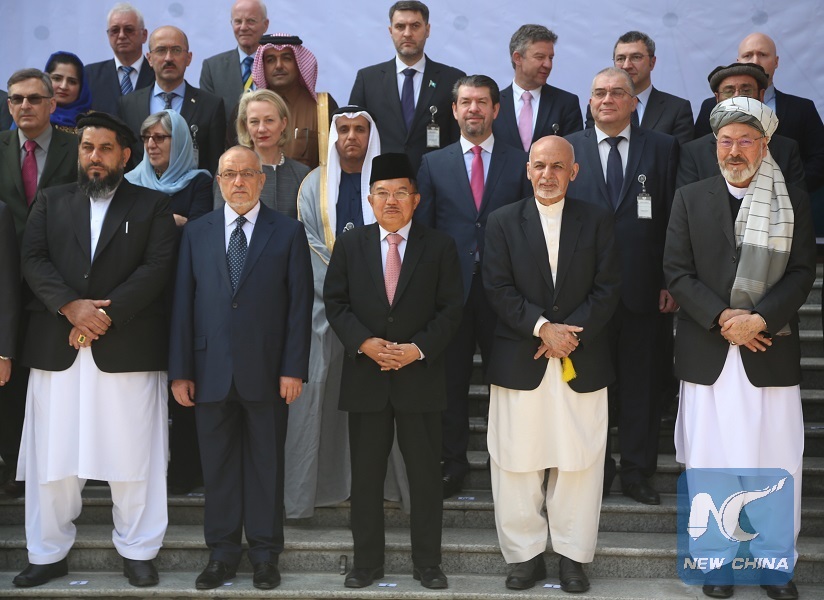
Afghan President Mohammad Ashraf Ghani (2nd R) poses for photos during the "Kabul Process for Peace and Security Cooperation" conference in Kabul Feb. 28, 2018. (Xinhua/Rahmat Alizadah)

KABUL, March 5 (Xinhua) -- Afghan President Mohammad Ashraf Ghani during his speech at the Kabul conference recently offered to have talks with the Taliban without any preconditions, in a bid to end the endemic war in the conflict-ridden country.

The offer made by the president included the recognition of the Taliban as a political group, a ceasefire and the release of Taliban prisoners.

The offer also included the opening of a political office for the Taliban in Kabul or any other Afghan cities, issuing passports and freedom of travel for the Taliban and reviewing the constitution if the group wants.

The peace package offered by president Ghani was widely welcomed by participants at the Kabul conference, attended by delegates from more than 20 countries including Pakistan, China, the United States, Germany and India. However, Afghan political observers have been cautiously looking at the package's potentiality for a positive impact on national reconciliation.

"The offer made by President Ghani, in fact, was an extraordinary suggestion and showed extreme flexibility by the government of Afghanistan to the Taliban to encourage the outfit to come to the negotiating table," political and military analyst General (Rtd) Atequllah Amarkhil told Xinhua.

Describing the peace offer as "very helpful" for bringing both sides closer, the analyst, nevertheless opined that the "Taliban won't sit at the negotiating table unless and until their foreign supporters are convinced to honestly support" the ongoing Afghan peace efforts.

The Taliban group, which has repeatedly rejected the offer for talks with the Afghan government and ahead of Kabul conference called on Washington to have direct talks with the armed outfit, has yet to react to Ghani's offer.

"The stakeholders in the Afghan game and countries around Afghanistan are doubtful about the honesty of the U.S. in the war on terror in Afghanistan," said the analyst.

Describing the role of Pakistan in helping the Afghan peace process succeed as very important, the analyst said "mustering Pakistan support to facilitate direct talks between the Taliban and the Afghan government is essential."

He added that Pakistan won't play a pro-active role in bringing the Taliban to the negotiation table unless and until its legitimate concerns are met.

"The Afghan crisis won't end in the near future unless regional cooperation is ensured," another political expert Haroon Mir told local media.

He said the Afghan government had failed to win regional support for ending the war and bringing peace to Afghanistan in the presence of some 150,000-strong U.S. and NATO-led troops a few years ago.

At present, it seems difficult to achieve the same goal overnight.

Back to Top Close
Xinhuanet

Will government's dialogue offer to Taliban bring peace to Afghanistan?

Source: Xinhua 2018-03-06 09:17:36

Afghan President Mohammad Ashraf Ghani (2nd R) poses for photos during the "Kabul Process for Peace and Security Cooperation" conference in Kabul Feb. 28, 2018. (Xinhua/Rahmat Alizadah)

KABUL, March 5 (Xinhua) -- Afghan President Mohammad Ashraf Ghani during his speech at the Kabul conference recently offered to have talks with the Taliban without any preconditions, in a bid to end the endemic war in the conflict-ridden country.

The offer made by the president included the recognition of the Taliban as a political group, a ceasefire and the release of Taliban prisoners.

The offer also included the opening of a political office for the Taliban in Kabul or any other Afghan cities, issuing passports and freedom of travel for the Taliban and reviewing the constitution if the group wants.

The peace package offered by president Ghani was widely welcomed by participants at the Kabul conference, attended by delegates from more than 20 countries including Pakistan, China, the United States, Germany and India. However, Afghan political observers have been cautiously looking at the package's potentiality for a positive impact on national reconciliation.

"The offer made by President Ghani, in fact, was an extraordinary suggestion and showed extreme flexibility by the government of Afghanistan to the Taliban to encourage the outfit to come to the negotiating table," political and military analyst General (Rtd) Atequllah Amarkhil told Xinhua.

Describing the peace offer as "very helpful" for bringing both sides closer, the analyst, nevertheless opined that the "Taliban won't sit at the negotiating table unless and until their foreign supporters are convinced to honestly support" the ongoing Afghan peace efforts.

The Taliban group, which has repeatedly rejected the offer for talks with the Afghan government and ahead of Kabul conference called on Washington to have direct talks with the armed outfit, has yet to react to Ghani's offer.

"The stakeholders in the Afghan game and countries around Afghanistan are doubtful about the honesty of the U.S. in the war on terror in Afghanistan," said the analyst.

Describing the role of Pakistan in helping the Afghan peace process succeed as very important, the analyst said "mustering Pakistan support to facilitate direct talks between the Taliban and the Afghan government is essential."

He added that Pakistan won't play a pro-active role in bringing the Taliban to the negotiation table unless and until its legitimate concerns are met.

"The Afghan crisis won't end in the near future unless regional cooperation is ensured," another political expert Haroon Mir told local media.

He said the Afghan government had failed to win regional support for ending the war and bringing peace to Afghanistan in the presence of some 150,000-strong U.S. and NATO-led troops a few years ago.

At present, it seems difficult to achieve the same goal overnight.

010020070750000000000000011100001370190721