中文字幕网伦射乱中文-超清中文乱码字幕在线观看-亚洲v国产v欧美v久久久久久-久久性网-手机在线成人av-成人六区-国产人与zoxxxx另类一一-青青草国产久久精品-蜜桃av久久久一区二区三区麻豆-成人av一区二区免费播放-在线视频麻豆-www爱爱-成人免费看片视频-性欧美老肥妇喷水-五月99久久婷婷国产综合亚洲-亚洲最色-各种含道具高h调教1v1男男-91丨porny丨国产-国产精品无码专区在线观看不卡-大香伊人

 
Spotlight: Trump's planned steel, aluminum tariffs spark anger in EU
                 Source: Xinhua | 2018-03-04 03:58:55 | Editor: huaxia

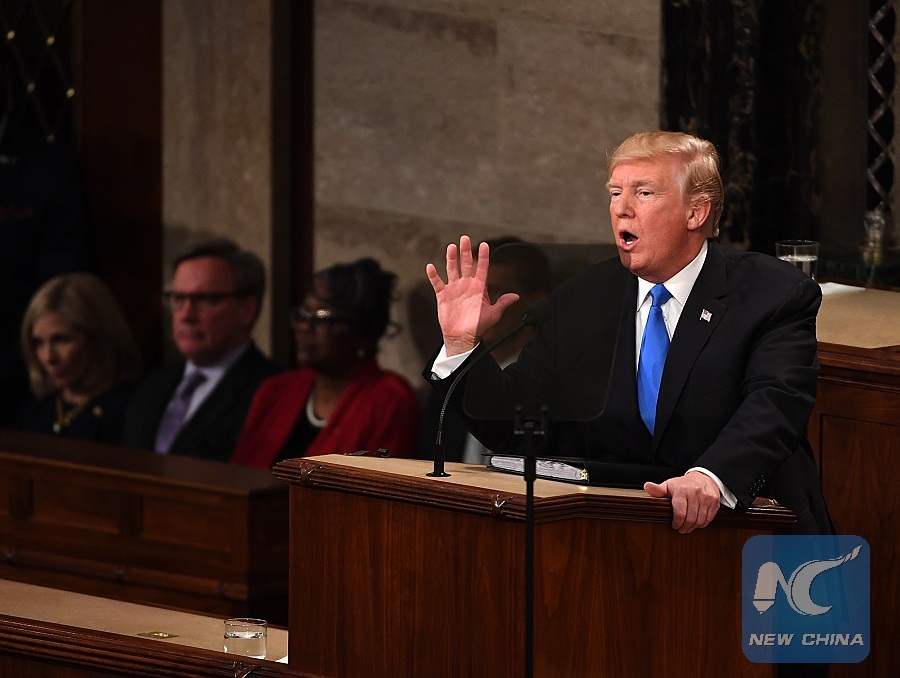
U.S. President Donald Trump delivers his State of the Union address to a joint session of Congress on Capitol Hill in Washington D.C., the United States, Jan. 30, 2018. (Xinhua/Yin Bogu)

BRUSSELS, March 3 (Xinhua) -- U.S. President Donald Trump's planned tariffs on steel and aluminium has sparked anger in the European Union (EU) and the bloc has vowed to take retaliatory measures.

Trump announced on Thursday that the United States is set to impose 25 percent of tariff on steel imports and 10 percent for aluminum.

EU TO REACT FIRMLY

Shortly after Trump's announcement, European Commission President Jean-Claude Juncker responded that the EU would "react firmly and commensurately" to defend its own interests.

"The Commission will bring forward in the next few days a proposal for World Trade Organization-compatible counter measures against the U.S. to re-balance the situation," he said.

"The EU has been a close security ally of the U.S. for decades. We will not sit idly while our industry is hit with unfair measures that put thousands of European jobs at risk. I had the occasion to say that the EU would react adequately and that's what we will do," Juncker added.

European trade commissioner Cecilia Malmstrom said the U.S. measures would have a negative impact on transatlantic relations and on global markets.

U.S.-EU trade relations will be affected by the additional import duties on steel and aluminum coming from the EU, said Fredrik Erixon, the director of the Brussels-based think tank, the European Center for International Political Economy.

"There are always some trade and economic frictions between them, but now that the U.S. says that one of its key allies can't export freely to the U.S. for reasons of national security, it is a slap in the face," Erixon said. "And it adds to brewing disputes they have in competition and tax policy," he added.

The Brussels-based expert said "there isn't for the moment any real cooperation" between the United States and the EU on trade policy, and with Trump's new move, "we are sure to get that relation moving into one of confrontation".

GERMANY: UNACCEPTABLE

German Foreign Minister Sigmar Gabriel called for a strong EU response, saying the move from Washington was "not at all acceptable" and urging Trump to rethink the announcement.

The EU "must respond with determination to punitive U.S. tariffs that threaten thousands of jobs in Europe," Gabriel told a German newspaper.

The EU steel industry groups are also critical.

Trump has chosen "global trade confrontation", said Axel Eggert, director general of the European Steel Association (EUROFER).

"From one day to the next, EU steel exports to the U.S. -- which were at 5 million tonnes in 2017 -- will be severely hit," he said in a statement issued on Friday.

"President Trump has chosen the most disruptive option among those recommended by his secretary of commerce," he added.

The Federation of German Industries (BDI) "supports the EU in its plan to provide an appropriate response", BDI President Dieter Kempf said in a statement on Friday.

He warned a new wave of protectionism would quickly hit Germany as a trading nation.

"The foreclosure policy of the U.S. is a mistake. U.S. President Donald Trump risks global trade conflicts and a spiral of protectionism that will eventually cost American jobs," he added.

Erixon said Trump was "shooting himself in the foot" as the newly-announced tariffs won't help the U.S. economy and may cause bigger job losses in sectors using steel.

He noted that the previous steel tariffs in the U.S. led to a small increase in U.S. steel jobs, but far bigger losses of jobs in sectors using steel.

Steel is an input good, and the cost of construction and car production will go up, making it more expensive to build new infrastructure and be globally competitive in the automobile sector, the economist added.

Back to Top Close
Xinhuanet

Spotlight: Trump's planned steel, aluminum tariffs spark anger in EU

Source: Xinhua 2018-03-04 03:58:55

U.S. President Donald Trump delivers his State of the Union address to a joint session of Congress on Capitol Hill in Washington D.C., the United States, Jan. 30, 2018. (Xinhua/Yin Bogu)

BRUSSELS, March 3 (Xinhua) -- U.S. President Donald Trump's planned tariffs on steel and aluminium has sparked anger in the European Union (EU) and the bloc has vowed to take retaliatory measures.

Trump announced on Thursday that the United States is set to impose 25 percent of tariff on steel imports and 10 percent for aluminum.

EU TO REACT FIRMLY

Shortly after Trump's announcement, European Commission President Jean-Claude Juncker responded that the EU would "react firmly and commensurately" to defend its own interests.

"The Commission will bring forward in the next few days a proposal for World Trade Organization-compatible counter measures against the U.S. to re-balance the situation," he said.

"The EU has been a close security ally of the U.S. for decades. We will not sit idly while our industry is hit with unfair measures that put thousands of European jobs at risk. I had the occasion to say that the EU would react adequately and that's what we will do," Juncker added.

European trade commissioner Cecilia Malmstrom said the U.S. measures would have a negative impact on transatlantic relations and on global markets.

U.S.-EU trade relations will be affected by the additional import duties on steel and aluminum coming from the EU, said Fredrik Erixon, the director of the Brussels-based think tank, the European Center for International Political Economy.

"There are always some trade and economic frictions between them, but now that the U.S. says that one of its key allies can't export freely to the U.S. for reasons of national security, it is a slap in the face," Erixon said. "And it adds to brewing disputes they have in competition and tax policy," he added.

The Brussels-based expert said "there isn't for the moment any real cooperation" between the United States and the EU on trade policy, and with Trump's new move, "we are sure to get that relation moving into one of confrontation".

GERMANY: UNACCEPTABLE

German Foreign Minister Sigmar Gabriel called for a strong EU response, saying the move from Washington was "not at all acceptable" and urging Trump to rethink the announcement.

The EU "must respond with determination to punitive U.S. tariffs that threaten thousands of jobs in Europe," Gabriel told a German newspaper.

The EU steel industry groups are also critical.

Trump has chosen "global trade confrontation", said Axel Eggert, director general of the European Steel Association (EUROFER).

"From one day to the next, EU steel exports to the U.S. -- which were at 5 million tonnes in 2017 -- will be severely hit," he said in a statement issued on Friday.

"President Trump has chosen the most disruptive option among those recommended by his secretary of commerce," he added.

The Federation of German Industries (BDI) "supports the EU in its plan to provide an appropriate response", BDI President Dieter Kempf said in a statement on Friday.

He warned a new wave of protectionism would quickly hit Germany as a trading nation.

"The foreclosure policy of the U.S. is a mistake. U.S. President Donald Trump risks global trade conflicts and a spiral of protectionism that will eventually cost American jobs," he added.

Erixon said Trump was "shooting himself in the foot" as the newly-announced tariffs won't help the U.S. economy and may cause bigger job losses in sectors using steel.

He noted that the previous steel tariffs in the U.S. led to a small increase in U.S. steel jobs, but far bigger losses of jobs in sectors using steel.

Steel is an input good, and the cost of construction and car production will go up, making it more expensive to build new infrastructure and be globally competitive in the automobile sector, the economist added.

010020070750000000000000011100001370140891