中文字幕网伦射乱中文-超清中文乱码字幕在线观看-亚洲v国产v欧美v久久久久久-久久性网-手机在线成人av-成人六区-国产人与zoxxxx另类一一-青青草国产久久精品-蜜桃av久久久一区二区三区麻豆-成人av一区二区免费播放-在线视频麻豆-www爱爱-成人免费看片视频-性欧美老肥妇喷水-五月99久久婷婷国产综合亚洲-亚洲最色-各种含道具高h调教1v1男男-91丨porny丨国产-国产精品无码专区在线观看不卡-大香伊人

 
U.S. nuclear policy under fire as it calls for more, not less nukes
                 Source: Xinhua | 2018-02-07 01:23:51 | Editor: huaxia

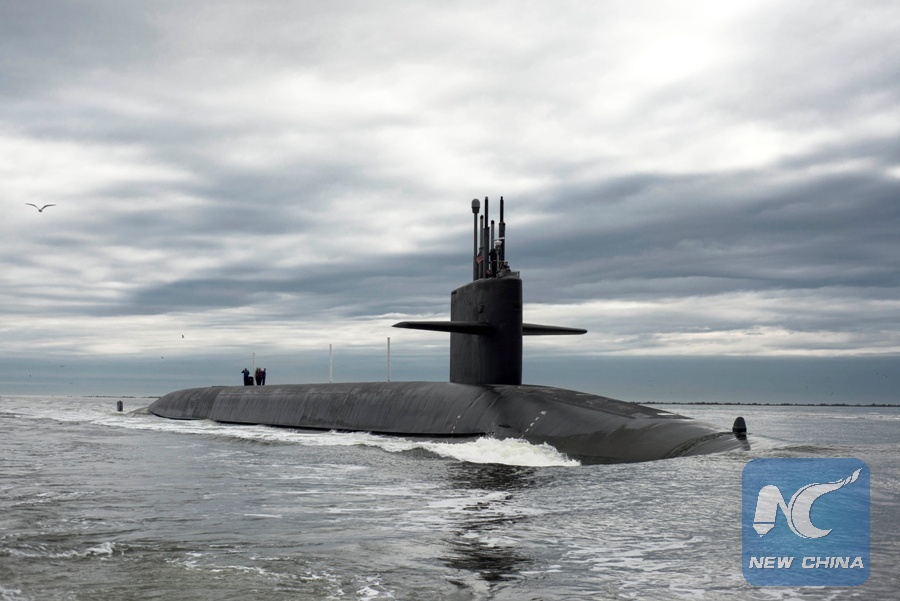
The Ohio-class ballistic missile submarine USS Tennessee returns to Naval Submarine Base Kings Bay, Georgia, U.S., Feb. 6, 2013. (Xinhua/REUTERS)

WASHINGTON, Feb. 6 (Xinhua) -- The 2018 U.S. nuclear posture review (NPR) has drawn almost universal condemnation, as it redirects the United States toward a path of nuclear expansion.

The hawkish paper, consistent with the previously released National Security Strategy and the National Defense Strategy, painted a bleak picture for U.S. security, and called for more dominant role for nuclear weapons in its arsenal.

But the reasonings in the paper were unconvincing for many nuclear policy experts, who argued that a departure from previous constructive nuclear policies may trigger a new round of arms race, and that by overstating security risks the Pentagon is proposing a solution to a non-existing problem.
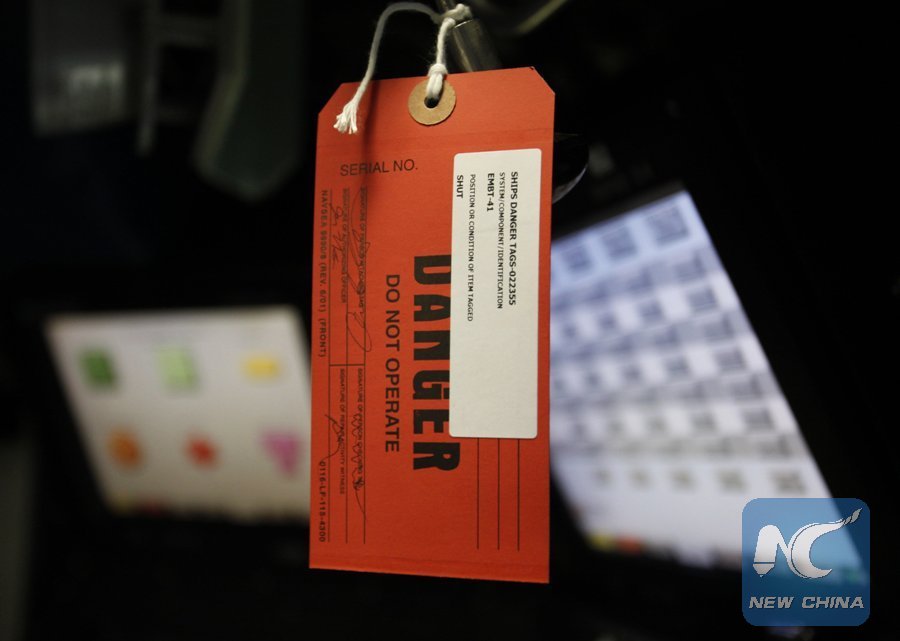
A red danger tag hanging in the command and control center is seen inside U.S. Virginia-class nuclear attack submarine USS Hawaii at the U.S. naval base in Yokosuka, south of Tokyo, Aug. 22, 2014. (Xinhua/REUTERS)

"The biggest difference relates to the supposed role of nuclear weapons in American military strategy," Michael Klare, an expert at the Arms Control Association, told Xinhua.

"In the Obama NPR, nuclear munitions are identified as weapons of last resort, to be used only under the most extreme circumstances; accordingly, every effort should be made to reduce their role in military strategy, and their numbers should be reduced as quickly as possible via international arms control treaties," Klare said.

"In the Trump NPR, nuclear munitions are viewed as playing a significant and growing role in U.S. military strategy, and so their numbers and types should be increased to make this possible," the expert said.

The stark difference has been described as "disturbing" by Lisbeth Gronlund, senior scientist and co-director of the Global Security Program at the Union of Concerned Scientists, who noted that the NPR has lowered the threshold of nuclear warfighting by committing nuclear response to non-nuclear aggressions.
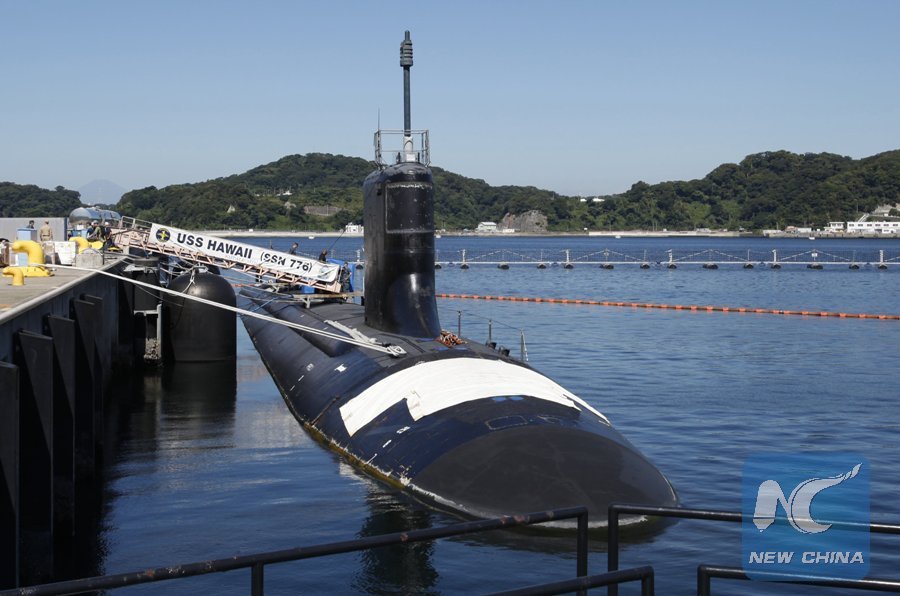
U.S. Virginia-class nuclear attack submarine USS Hawaii is berthed at a dock at the U.S. naval base in Yokosuka, south of Tokyo, August 22, 2014. (Xinhua/REUTERS)

"One of the most disturbing and significant changes to U.S. policy outlined in the NPR is the tighter integration of U.S. nuclear and conventional forces, including training and exercising with these integrated forces, so U.S. forces can operate - as the NPR states - in the face of nuclear threats and employment," she said.

"This is the textbook definition of nuclear warfighting. This new policy deliberately blurs the line between nuclear and conventional forces and eliminates a clear firewall," she warned.

To respond to emerging threats to U.S. and its allies' security, the NPR specifically proposed the development for new models of "low-yield" weapons, which it said would be essential for a "flexible" nuclear arsenal that can enhance deterrence.

"Low-yield" weapons, commonly referred to those with a yield of less than 20 kilotons, are mostly made for tactical use, and currently are mainly carried on strategic bombers with gravity bombs.

But the NPR said the United States should start mounting these tactical nuclear weapons on strategic and attack submarines.

Joan Rohlfing, president and chief operating officer of the Nuclear Threat Initiative, said putting tactic and strategic nuclear weapons on the same platform, such as a strategic submarine, may easily lead to miscalculations.

Any adversary would be uncertain of the yield of an incoming nuclear weapon launched from a strategic submarine, and would almost certainly respond with strategic weapons, she said.

Aside from slamming the conflict-inviting rhetoric, the academia also questioned the premise which the NPR drew from.

In a statement, the Union of Concerned Scientists said the NPR misrepresented China's nuclear power.

"The gap between China and the United States is too wide to argue that the United States is lagging behind in any meaningful way. In fact, the exact opposite is true. By any measure, the U.S. arsenal is far superior," Gregory Kulacki, an expert at UCS said.

"There is no evidence that nuclear weapons are becoming more prominent in China's military strategy or that China has changed its longstanding no-first-use policy," Kulacki said.

In a fiery response, Russia also rejected the NPR's assumption that it is adjusting to nuclear war fighting strategy.

"The document's statement that Russia allegedly refuses to further reduce its nuclear capabilities is yet another example of the blatant 'falsification'," the Russian Foreign Ministry said.

Back to Top Close
Xinhuanet

U.S. nuclear policy under fire as it calls for more, not less nukes

Source: Xinhua 2018-02-07 01:23:51

The Ohio-class ballistic missile submarine USS Tennessee returns to Naval Submarine Base Kings Bay, Georgia, U.S., Feb. 6, 2013. (Xinhua/REUTERS)

WASHINGTON, Feb. 6 (Xinhua) -- The 2018 U.S. nuclear posture review (NPR) has drawn almost universal condemnation, as it redirects the United States toward a path of nuclear expansion.

The hawkish paper, consistent with the previously released National Security Strategy and the National Defense Strategy, painted a bleak picture for U.S. security, and called for more dominant role for nuclear weapons in its arsenal.

But the reasonings in the paper were unconvincing for many nuclear policy experts, who argued that a departure from previous constructive nuclear policies may trigger a new round of arms race, and that by overstating security risks the Pentagon is proposing a solution to a non-existing problem.

A red danger tag hanging in the command and control center is seen inside U.S. Virginia-class nuclear attack submarine USS Hawaii at the U.S. naval base in Yokosuka, south of Tokyo, Aug. 22, 2014. (Xinhua/REUTERS)

"The biggest difference relates to the supposed role of nuclear weapons in American military strategy," Michael Klare, an expert at the Arms Control Association, told Xinhua.

"In the Obama NPR, nuclear munitions are identified as weapons of last resort, to be used only under the most extreme circumstances; accordingly, every effort should be made to reduce their role in military strategy, and their numbers should be reduced as quickly as possible via international arms control treaties," Klare said.

"In the Trump NPR, nuclear munitions are viewed as playing a significant and growing role in U.S. military strategy, and so their numbers and types should be increased to make this possible," the expert said.

The stark difference has been described as "disturbing" by Lisbeth Gronlund, senior scientist and co-director of the Global Security Program at the Union of Concerned Scientists, who noted that the NPR has lowered the threshold of nuclear warfighting by committing nuclear response to non-nuclear aggressions.

U.S. Virginia-class nuclear attack submarine USS Hawaii is berthed at a dock at the U.S. naval base in Yokosuka, south of Tokyo, August 22, 2014. (Xinhua/REUTERS)

"One of the most disturbing and significant changes to U.S. policy outlined in the NPR is the tighter integration of U.S. nuclear and conventional forces, including training and exercising with these integrated forces, so U.S. forces can operate - as the NPR states - in the face of nuclear threats and employment," she said.

"This is the textbook definition of nuclear warfighting. This new policy deliberately blurs the line between nuclear and conventional forces and eliminates a clear firewall," she warned.

To respond to emerging threats to U.S. and its allies' security, the NPR specifically proposed the development for new models of "low-yield" weapons, which it said would be essential for a "flexible" nuclear arsenal that can enhance deterrence.

"Low-yield" weapons, commonly referred to those with a yield of less than 20 kilotons, are mostly made for tactical use, and currently are mainly carried on strategic bombers with gravity bombs.

But the NPR said the United States should start mounting these tactical nuclear weapons on strategic and attack submarines.

Joan Rohlfing, president and chief operating officer of the Nuclear Threat Initiative, said putting tactic and strategic nuclear weapons on the same platform, such as a strategic submarine, may easily lead to miscalculations.

Any adversary would be uncertain of the yield of an incoming nuclear weapon launched from a strategic submarine, and would almost certainly respond with strategic weapons, she said.

Aside from slamming the conflict-inviting rhetoric, the academia also questioned the premise which the NPR drew from.

In a statement, the Union of Concerned Scientists said the NPR misrepresented China's nuclear power.

"The gap between China and the United States is too wide to argue that the United States is lagging behind in any meaningful way. In fact, the exact opposite is true. By any measure, the U.S. arsenal is far superior," Gregory Kulacki, an expert at UCS said.

"There is no evidence that nuclear weapons are becoming more prominent in China's military strategy or that China has changed its longstanding no-first-use policy," Kulacki said.

In a fiery response, Russia also rejected the NPR's assumption that it is adjusting to nuclear war fighting strategy.

"The document's statement that Russia allegedly refuses to further reduce its nuclear capabilities is yet another example of the blatant 'falsification'," the Russian Foreign Ministry said.

010020070750000000000000011105091369540511