中文字幕网伦射乱中文-超清中文乱码字幕在线观看-亚洲v国产v欧美v久久久久久-久久性网-手机在线成人av-成人六区-国产人与zoxxxx另类一一-青青草国产久久精品-蜜桃av久久久一区二区三区麻豆-成人av一区二区免费播放-在线视频麻豆-www爱爱-成人免费看片视频-性欧美老肥妇喷水-五月99久久婷婷国产综合亚洲-亚洲最色-各种含道具高h调教1v1男男-91丨porny丨国产-国产精品无码专区在线观看不卡-大香伊人

 
Trump continues to ratchet up pressure on DPRK in lead-up to Winter Olympics
                 Source: Xinhua | 2018-02-06 23:33:12 | Editor: huaxia

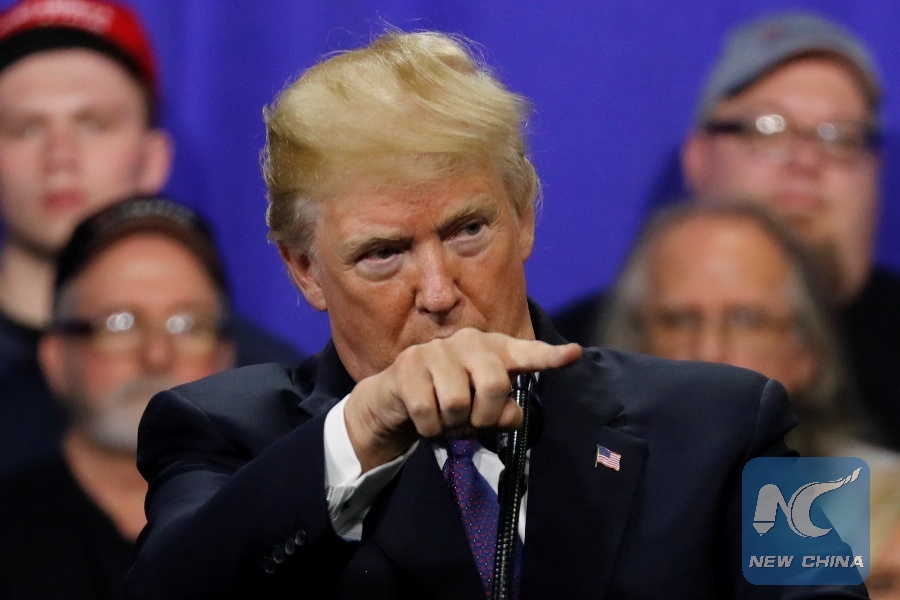
U.S. President Donald Trump delivers remarks on his tax policy after a factory tour of the Sheffer Corporation in Blue Ash, Ohio, U.S. Feb. 5, 2018. (Xinhua/REUTERS)

by Matthew Rusling

WASHINGTON, Feb. 5 (Xinhua) -- Days before the Winter Olympics kick off in South Korea, U.S. President Donald Trump is continuing to pressure the top leader of the Democratic People's Republic of Korea (DPRK), Kim Jong Un, to make him abandon his nuclear program.

Trump and Kim have in recent months been engaged in a war of words, with Kim claiming he has a nuclear device that could hit the United States. Trump has warned Kim that attacking the nation that is home to the world's most powerful military would be the worst mistake Pyongyang could make.
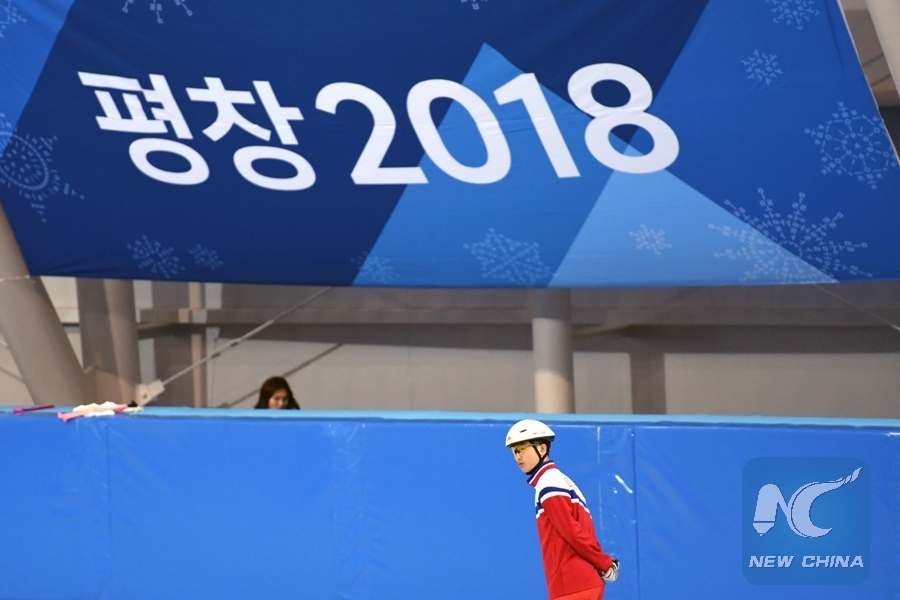
Jong Kwang Bom of the Democratic People's Republic of Korea (DPRK) practises at the Gangneung Yeongdong Short Track Training Venue in Gangneung, South Korea, Feb. 6, 2018. The 2018 PyeongChang Olympic Winter Games will kick off here on Feb. 9. (Xinhua/Ju Huanzong)

In his State of the Union address last week, Trump said he would exert "maximum pressure" on the DPRK, and emphasized what he said was its poor human rights record.

On Friday, the president continued on that theme, inviting a handful of defectors from the DPRK to the White House to underscore the issue.
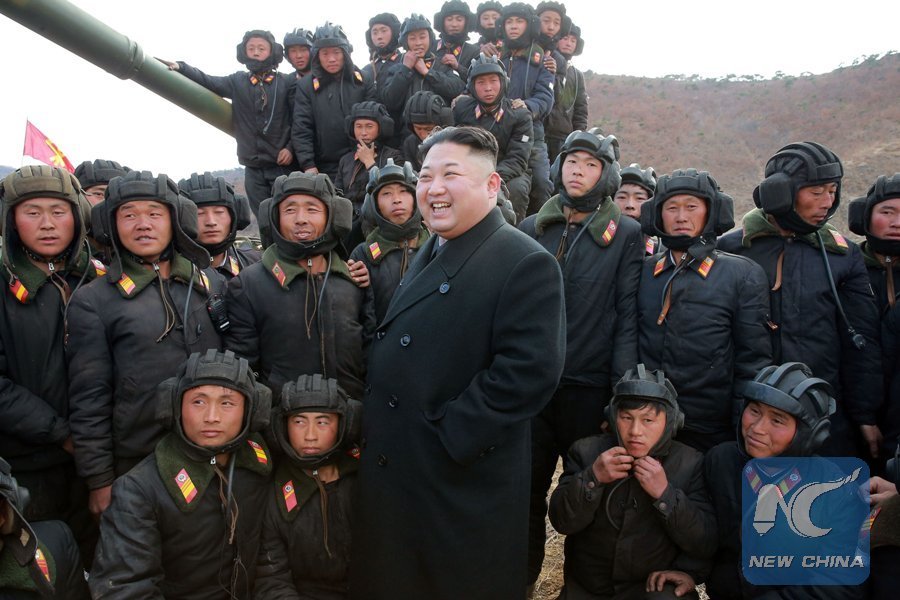
Photo provided by Korean Central News Agency (KCNA) on April 1, 2017 shows top leader of the Democratic People's Republic of Korea (DPRK) Kim Jong Un (Front) recently guiding the Korean People's Army Tank Crews' Competition-2017. (Xinhua/KCNA)

Analysts say the emphasis on human rights is a new tactic to ratchet up pressure on Pyongyang.

Trump's hope is that highlighting what Washington says are Pyongyang's numerous human rights abuses will "maintain pressure on Pyongyang and not allow the regime to use the Olympics to 'normalize' itself" in front of the world, Troy Stangarone, senior director at the Korea Economic Institute, told Xinhua.

"However, this will be challenging (for Trump), since the overarching narrative that the Olympics has historically represented is one of hope and the future," Stangarone said.
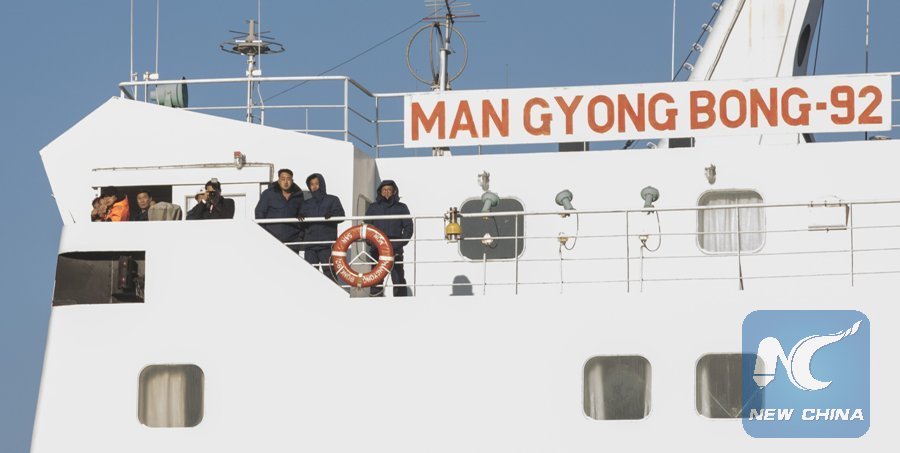
The passenger ferry Mangyongbong-92, carrying performing squad of the Democratic People's Republic of Korea (DPRK), arrives at the Mukho Port in South Korea's eastern coast, on Feb. 6, 2018. The 140-member Samjiyon orchestra is slated to hold concerts in Gangneung, an east city near PyeongChang where the 23rd Winter Olympics and Paralympic Games will be held, on Thursday and in South Korea's capital Seoul on Sunday to celebrate the Winter Olympics. (Xinhua/Lee Sang-ho)

For its part, Pyongyang says the United States is responsible for a number of human rights abuses, from racism to inequality to the use of marijuana.

The DPRK's Korean Central News Agency (KCNA) released its own report on what it called U.S. human rights abuses, shortly after Trump's State of the Union address.

The report noted what it said was the increasing use of marijuana in the United States, saying that "the number of marijuana users in the U.S. was more than 20 million, a 3 percent increase as compared with that of a decade ago."

The DPRK in the past blasted the United States for its poor human rights record, and wrote in a 2014 report that life in the United States is a "living hell."

Back to Top Close
Xinhuanet

Trump continues to ratchet up pressure on DPRK in lead-up to Winter Olympics

Source: Xinhua 2018-02-06 23:33:12

U.S. President Donald Trump delivers remarks on his tax policy after a factory tour of the Sheffer Corporation in Blue Ash, Ohio, U.S. Feb. 5, 2018. (Xinhua/REUTERS)

by Matthew Rusling

WASHINGTON, Feb. 5 (Xinhua) -- Days before the Winter Olympics kick off in South Korea, U.S. President Donald Trump is continuing to pressure the top leader of the Democratic People's Republic of Korea (DPRK), Kim Jong Un, to make him abandon his nuclear program.

Trump and Kim have in recent months been engaged in a war of words, with Kim claiming he has a nuclear device that could hit the United States. Trump has warned Kim that attacking the nation that is home to the world's most powerful military would be the worst mistake Pyongyang could make.

Jong Kwang Bom of the Democratic People's Republic of Korea (DPRK) practises at the Gangneung Yeongdong Short Track Training Venue in Gangneung, South Korea, Feb. 6, 2018. The 2018 PyeongChang Olympic Winter Games will kick off here on Feb. 9. (Xinhua/Ju Huanzong)

In his State of the Union address last week, Trump said he would exert "maximum pressure" on the DPRK, and emphasized what he said was its poor human rights record.

On Friday, the president continued on that theme, inviting a handful of defectors from the DPRK to the White House to underscore the issue.

Photo provided by Korean Central News Agency (KCNA) on April 1, 2017 shows top leader of the Democratic People's Republic of Korea (DPRK) Kim Jong Un (Front) recently guiding the Korean People's Army Tank Crews' Competition-2017. (Xinhua/KCNA)

Analysts say the emphasis on human rights is a new tactic to ratchet up pressure on Pyongyang.

Trump's hope is that highlighting what Washington says are Pyongyang's numerous human rights abuses will "maintain pressure on Pyongyang and not allow the regime to use the Olympics to 'normalize' itself" in front of the world, Troy Stangarone, senior director at the Korea Economic Institute, told Xinhua.

"However, this will be challenging (for Trump), since the overarching narrative that the Olympics has historically represented is one of hope and the future," Stangarone said.

The passenger ferry Mangyongbong-92, carrying performing squad of the Democratic People's Republic of Korea (DPRK), arrives at the Mukho Port in South Korea's eastern coast, on Feb. 6, 2018. The 140-member Samjiyon orchestra is slated to hold concerts in Gangneung, an east city near PyeongChang where the 23rd Winter Olympics and Paralympic Games will be held, on Thursday and in South Korea's capital Seoul on Sunday to celebrate the Winter Olympics. (Xinhua/Lee Sang-ho)

For its part, Pyongyang says the United States is responsible for a number of human rights abuses, from racism to inequality to the use of marijuana.

The DPRK's Korean Central News Agency (KCNA) released its own report on what it called U.S. human rights abuses, shortly after Trump's State of the Union address.

The report noted what it said was the increasing use of marijuana in the United States, saying that "the number of marijuana users in the U.S. was more than 20 million, a 3 percent increase as compared with that of a decade ago."

The DPRK in the past blasted the United States for its poor human rights record, and wrote in a 2014 report that life in the United States is a "living hell."

010020070750000000000000011105091369539491