中文字幕网伦射乱中文-超清中文乱码字幕在线观看-亚洲v国产v欧美v久久久久久-久久性网-手机在线成人av-成人六区-国产人与zoxxxx另类一一-青青草国产久久精品-蜜桃av久久久一区二区三区麻豆-成人av一区二区免费播放-在线视频麻豆-www爱爱-成人免费看片视频-性欧美老肥妇喷水-五月99久久婷婷国产综合亚洲-亚洲最色-各种含道具高h调教1v1男男-91丨porny丨国产-国产精品无码专区在线观看不卡-大香伊人

 
Here comes Laba, what does it mean for Chinese?
                 Source: Xinhua | 2018-01-24 16:44:12 | Editor: huaxia

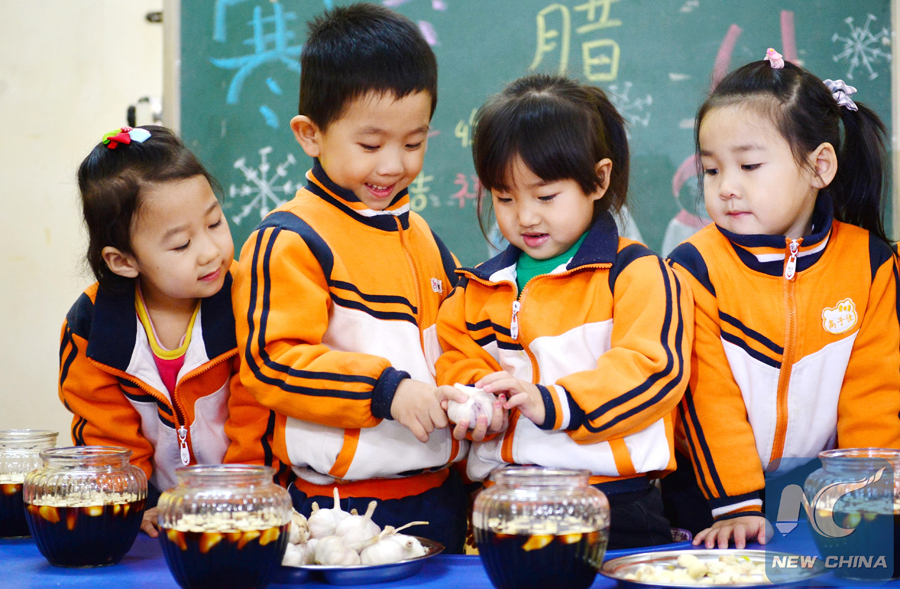
Children learn to make the Laba garlic in Xingtai, north China's Hebei Pprovince. (XINHUA photo)

The Laba Festival, celebrated on the eighth day of the 12th lunar month, falls on January 24th this year. It is traditionally regarded as the prelude to Spring Festival, reminding people to start their preparations for the coming festivities and for wanderers to return home and reunite with family. The ancient Chinese custom was to sacrifice dried vegetables and meat to Baguxing, the god of agriculture to pray for a good harvest on the next Laba festival.

Laba Festival is also known as Laba Zhu. In Chinese, zhu has a similar pronunciation to zhou, meaning porridge, so many eat porridge on this day. The Laba porridge generally contains at least eight ingredients, a fortuitous number in Chinese culture. There's a wide variety: glutinous rice, red beans, millet, Chinese sorghum, peas, dried lotus seeds and some other materials like dried dates or chestnut meat.

Monks in Leiyin Temple carefully select ingredients of the Laba porridge in Pingdingshan, central China'a Henan Province. (XINHUA photo)

In the Buddhist tradition, eating and sharing porridge commemorates the legend of Sakyamuni, saved by a girl who gave him a bowl of milk on the day he attained understanding of the truth of life and became a sage. Many temples today have the tradition of giving out Laba Porridge to the public.

The festival is also the day for people to put garlic in vinegar, to pickle for more than 20 days before the Chinese New Year. The garlic turns emerald green, and this Laba garlic will be eaten with dumplings on Chinese New Year's Day.
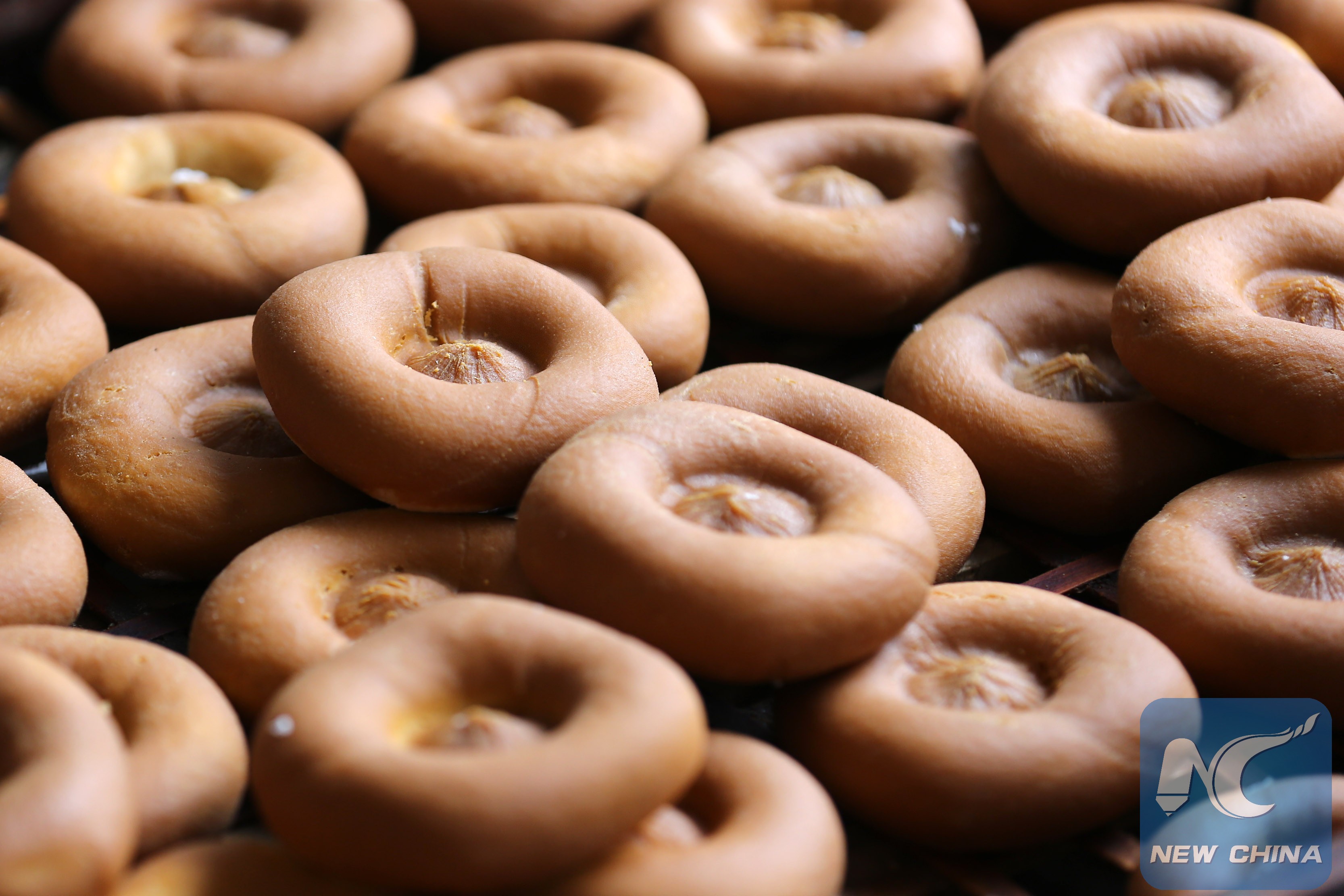
The Laba tofu made by workers in Qian County, central China's Anhui Province. (XINHUA Photo)

Customs vary across the country. People in Qian County, Anhui Province will eat the Laba tofu basked several days before. In Xining City, Qinghai Province, the locals will eat wheat kernel rice boiled with beef and mutton.

So, how about you? Are you ready to have a bowl of porridge?

Back to Top Close
Xinhuanet

Here comes Laba, what does it mean for Chinese?

Source: Xinhua 2018-01-24 16:44:12

Children learn to make the Laba garlic in Xingtai, north China's Hebei Pprovince. (XINHUA photo)

The Laba Festival, celebrated on the eighth day of the 12th lunar month, falls on January 24th this year. It is traditionally regarded as the prelude to Spring Festival, reminding people to start their preparations for the coming festivities and for wanderers to return home and reunite with family. The ancient Chinese custom was to sacrifice dried vegetables and meat to Baguxing, the god of agriculture to pray for a good harvest on the next Laba festival.

Laba Festival is also known as Laba Zhu. In Chinese, zhu has a similar pronunciation to zhou, meaning porridge, so many eat porridge on this day. The Laba porridge generally contains at least eight ingredients, a fortuitous number in Chinese culture. There's a wide variety: glutinous rice, red beans, millet, Chinese sorghum, peas, dried lotus seeds and some other materials like dried dates or chestnut meat.

Monks in Leiyin Temple carefully select ingredients of the Laba porridge in Pingdingshan, central China'a Henan Province. (XINHUA photo)

In the Buddhist tradition, eating and sharing porridge commemorates the legend of Sakyamuni, saved by a girl who gave him a bowl of milk on the day he attained understanding of the truth of life and became a sage. Many temples today have the tradition of giving out Laba Porridge to the public.

The festival is also the day for people to put garlic in vinegar, to pickle for more than 20 days before the Chinese New Year. The garlic turns emerald green, and this Laba garlic will be eaten with dumplings on Chinese New Year's Day.

The Laba tofu made by workers in Qian County, central China's Anhui Province. (XINHUA Photo)

Customs vary across the country. People in Qian County, Anhui Province will eat the Laba tofu basked several days before. In Xining City, Qinghai Province, the locals will eat wheat kernel rice boiled with beef and mutton.

So, how about you? Are you ready to have a bowl of porridge?

010020070750000000000000011100001369212171